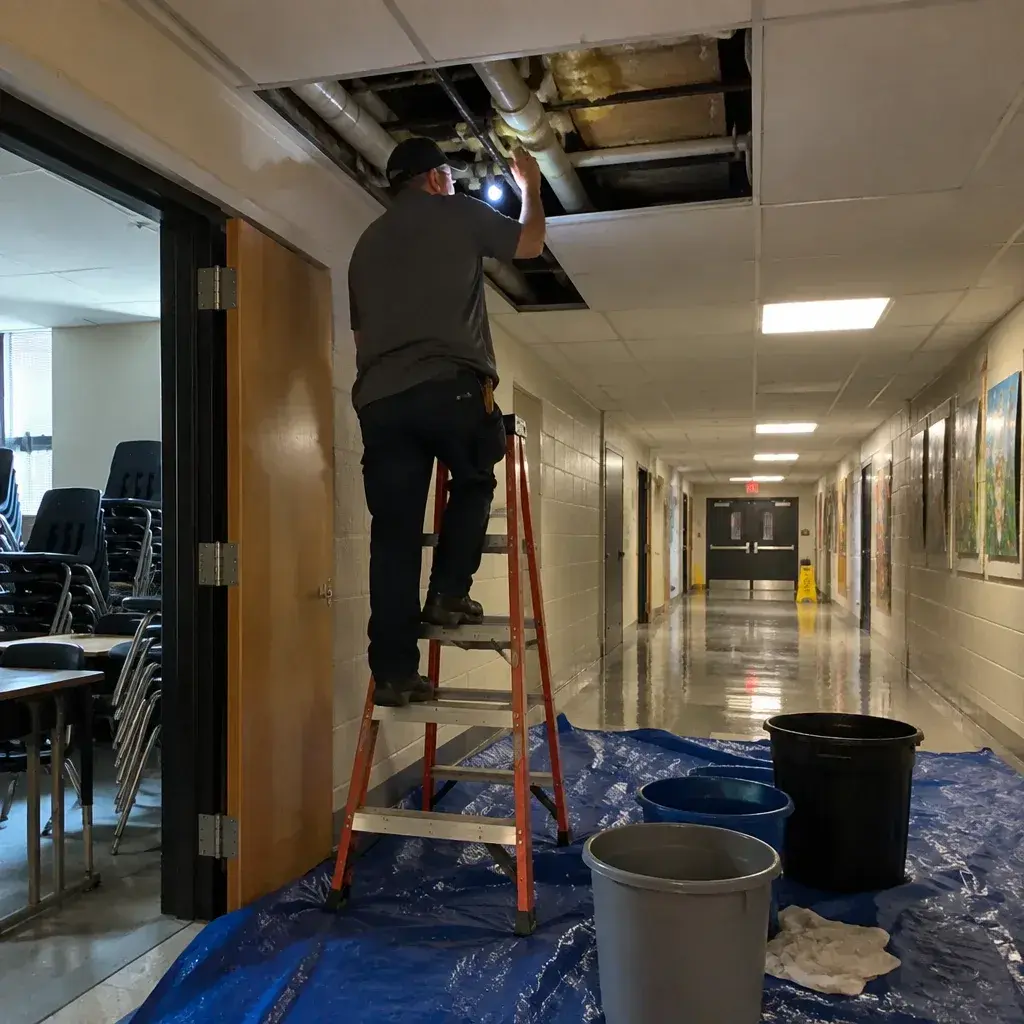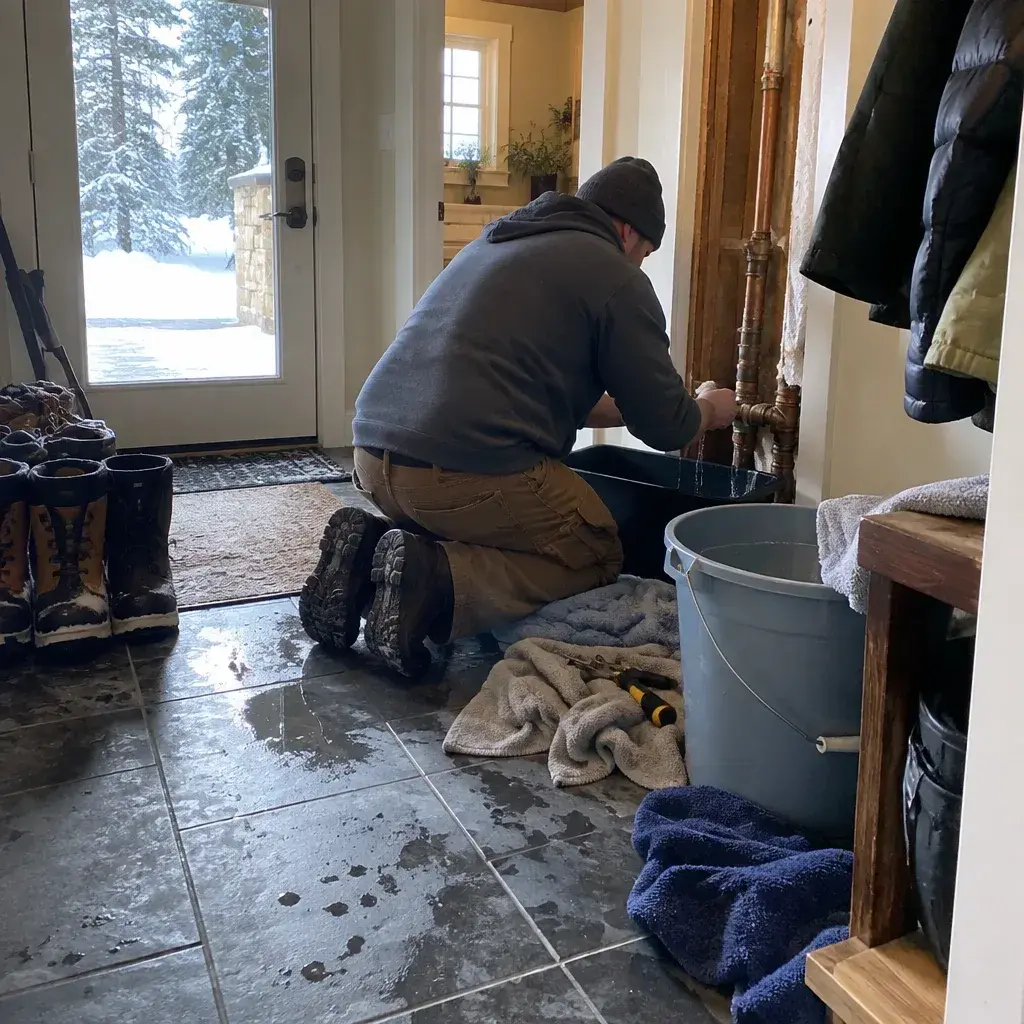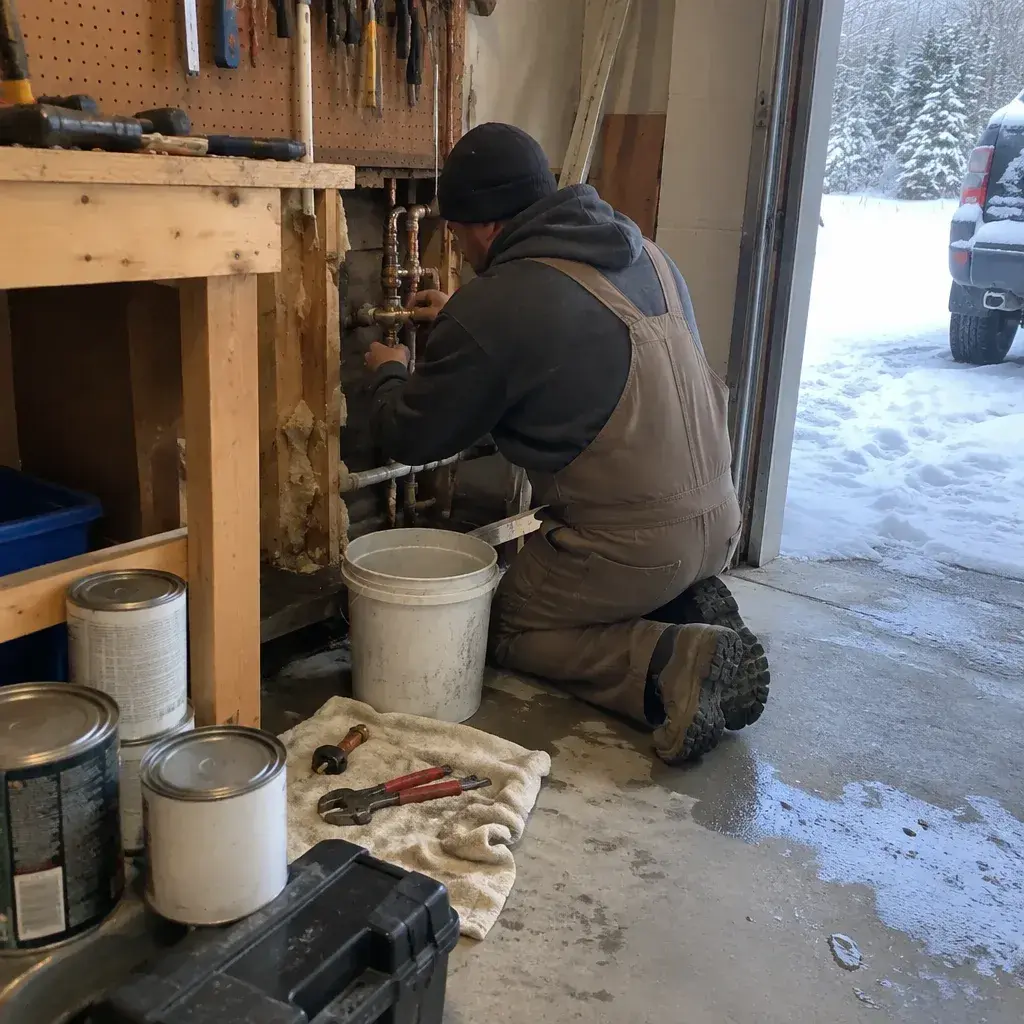
What a Typical Repair Costs
Burst pipe repair cost depends on what the plumbing work includes, so a typical total is best understood as a defined repair rather than a universal figure. A small, visible break may call for work on one section of pipe; a leak behind a finished surface can require access before the plumber reaches it. The pipe repair price should identify the plumbing task and its materials and labor. Ask for an itemized estimate that shows those parts and separates any additional work.
The scope of a burst pipe repair depends on where the line failed and what must be opened to reach it. A pro may need to replace a short section, access piping behind a wall, or address water damage separately. Ask the pros we connect you with to explain what each part of an estimate covers.
Labor and Materials in the Total
Labor covers the plumber’s time spent finding the break, reaching the line, making the repair, and checking the result. Those steps matter because a repair is more than attaching a new fitting where water is visible. If the line sits behind a wall, floor, or ceiling, the estimate should make clear what access work belongs to the plumbing task. Reviewing that distinction helps you see what the labor charge covers before you approve the work.
Labor and materials contribute in different ways to plumber repair cost. Labor covers the time spent locating the break and doing the plumbing work; materials are the pipe and fittings used for the repair. Ask which materials the estimate includes and which plumbing tasks the labor charge covers. That makes it easier to spot a missing part of the job before you agree. A listed material should correspond to a specific repair task, so you can connect each charge to work planned for your line.
How Repair Scope Shapes Charges
The cost of burst pipe repair depends on what broke and how much of the plumbing is affected. A split in an exposed line may call for a different repair than a break behind a wall or beneath a floor, where access can add work. The pros we connect you with can assess the damaged section, explain the repair options, and note whether drying or replacing nearby materials may also be needed. Ask for a written breakdown so you can see which work relates to the pipe and which addresses surrounding damage.
A low total can leave you paying for work that was not included, while a broad total can hide what the plumber plans to do. Ask the pros we connect you with to separate the plumbing repair from any additional work and identify the materials and labor in each part. Check that the proposed repair addresses the damaged section and includes checking it for leaks. A written breakdown also makes it easier to spot missing steps before you agree to the work.
Questions to Ask Before Approval
Use the itemized estimate to pin down the work you are authorizing. Ask which line describes locating the break, which covers the pipe repair, and whether any additional task is included in the total. If the plumber needs to change the plan after opening an area, pause to review the added work before it proceeds. This keeps a cost decision tied to a defined task instead of a broad approval that leaves you unsure what the bill covers.
Check that the proposed parts suit the water line being repaired. Pipe material, size, and connection type determine which fittings and installation method can work with the existing system; a mismatch can leave a connection prone to leaks. Ask the plumber to identify the intended pipe or fitting in the estimate and explain how it matches the line. That simple check helps you catch a parts choice that is too vague to evaluate before the repair is underway.
Dealing with a burst pipe in your home?
A pipe can split behind a wall, under a sink, or near a water heater, and limiting water damage is an important first step. For burst pipe repair in a nearby town, contact the pros we connect you with and ask whether they serve your address. They can discuss their availability, possible visit timing, and any charge for coming out.