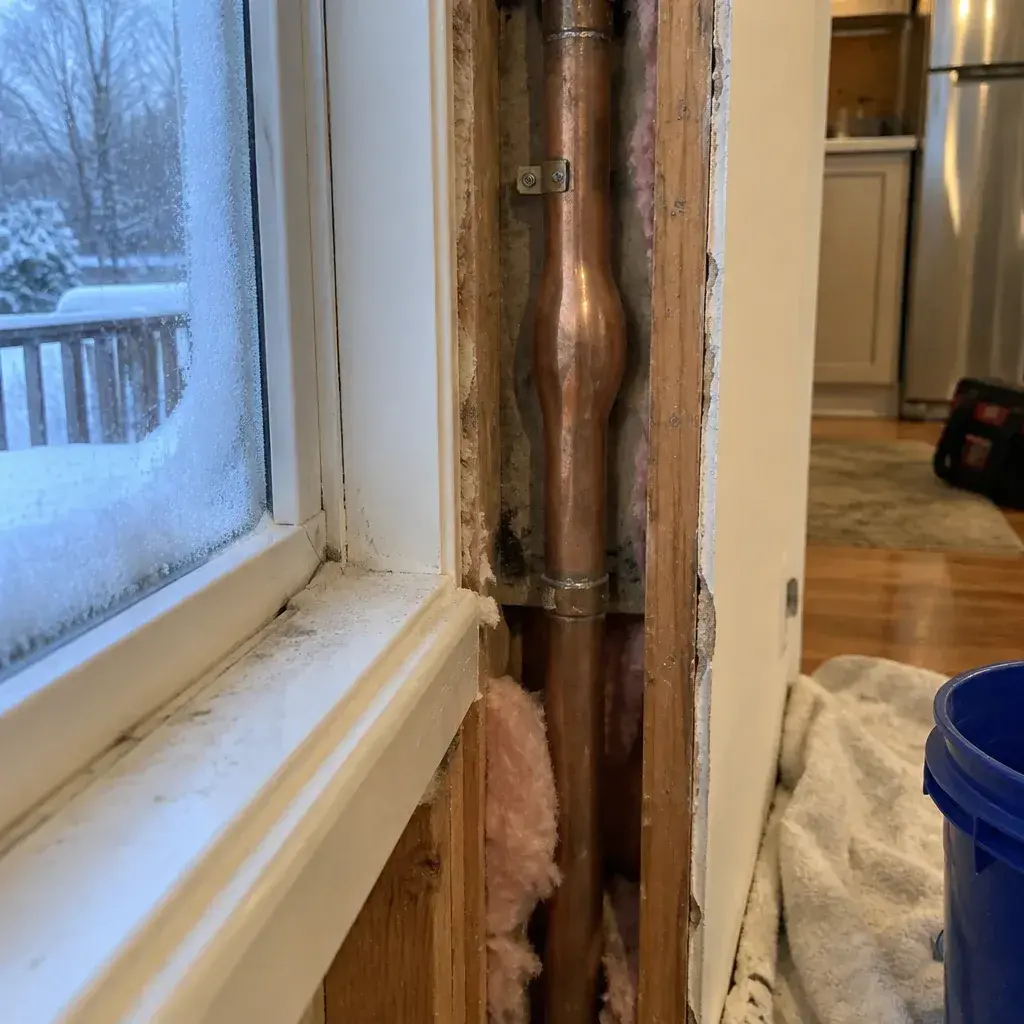
Conditions That Can Damage Pipe Walls
In northern states, hard freezes can split water lines near exterior walls, while thawing ground shifts buried pipes. In the South, expansive clay soils can move beneath slab foundations and driveways, putting stress on joints. The pros we connect you with can assess the burst pipe joint and the conditions around it.
Homes vary in age, layout, and pipe routing, so a SharkBite fitting may be visible in one property and concealed behind a finished surface in another. The fitting's visibility and the route to the damaged line can shape what the inspection involves.
A page for a named service area provides local information; it does not set a boundary around the wider referral network. A state’s presence on the coverage list does not show which licensed pros can reach a particular request.
Staying Clear of Wet Hazards
- LEAK SOURCE
- Water may travel along a pipe or finish before showing, so the wet mark can be away from the damaged point.
- PIPE TYPE
- A fitting label and pipe markings identify different components; the plumber uses both when available.
- ACCESS
- The repair may stop at the joint or extend into the pipe, depending on where sound material begins.
- PART MATCH
- The label can identify a SharkBite fitting, but the plumber also needs to determine the connected pipe material and size before selecting a repair.
- SHOW THE JOINT
- Clear movable items from the area if safe, so the plumber can see the joint and reach the pipe. Concealed damage may require access work.
- RESTORATION
- Cold conditions can freeze water in exposed or poorly heated supply lines, while a thaw may reveal a split or leaking connection. The pipe’s location and visible condition help a plumber identify what needs repair.
- WATER IMPACT
- an estimated $150–$400
What a Repair Check Can Confirm
A split in the connected pipe can send water across the SharkBite fitting, making the joint look like the source. The plumber checks the tube as well as the fitting to see where the leak begins. Check the fitting body for printed branding or product markings, then look along the connected tube for its own label or material markings. Those clues identify separate parts; a fitting label alone does not establish what pipe is installed.
Locating the Failed Supply Line
The plumber identifies the leaking point, reads visible markings, and examines the SharkBite fitting and nearby pipe for a split or strain. They determine whether the damage ends at the connection or continues along the line, then choose compatible replacement parts for the affected section.
The plumber first locates the leak and identifies the SharkBite fitting and connected pipe material, size, and condition. After isolating the affected supply, they decide whether to replace the fitting or remove damaged pipe and install a compatible section. Access to concealed plumbing may be needed to reach the break.
A leak check can confirm whether the repair is holding once access to the break is clear. $350–$1,300 Once access is clear, a single visit may cover the repair and leak check. If opening the area reveals more damage, ask what needs another visit and why.
CURRENT LEAK CORRECTION AND FUTURE PIPELINE REVIEW
| Repair Method |
Repair Suitability |
|---|
| Recent pipe damage, identified near its start | Urgent leak response |
| Water escapes from an earlier pipe fix | Repair completion |
| Several failed sections on one supply route | Section renewed; pressure hold confirmed |
PLUMBING WORKPermit and plumbing contractor requirements depend on the jurisdiction where the work occurs. This national page does not identify the rule for your address. Ask the pros we connect you with whether a local permit applies, and request the repair scope and any permit details with your invoice.
Water Damage Across Walls and Floors
A pressurized leak can wet nearby cabinets, insulation, flooring, and framing as water spreads from the damaged joint or pipe. Continued dampness can weaken finishes and leave concealed materials wet. Water trapped behind a cabinet or wall can remain hidden after the surface looks dry.
Note Where Water Travels Indoors
From a dry spot, look for a maker name or size marking on the fitting and pipe, and take a photo without handling the joint. If a shutoff is dry and safe to operate, close it; otherwise keep clear. Leave removal and reconnection to the plumber, show the photo, and ask whether the fitting or pipe section needs replacement.
Repair Boundaries and Cleanup Needs
A burst pipe can damage floors and walls, and water near outlets or appliances can create an electrical hazard. If safe, shut off the home’s main water valve and keep clear of wet electrical areas. After repair, turn water back on gradually and check the joint for fresh drips; ongoing leaking or falling water pressure can signal a problem.
Does Water Cleanup Add to Pipe Repair Costs?
The right parts depend on the installed pipe and its condition; have the pros we connect you with explain how their repair choice shapes the estimate.The guide amount reflects work on the damaged supply line and can shift with its position, access, and the section needing replacement. A concealed break may require opening a finished surface before the plumber can see the full repair. Water extraction, drying, and rebuilding fall outside $350–$1,300 and call for separate services.The full spread of charges, with common cost drivers, appears in pricing guide.