Pipe Repair Clamps for U.S. Water Lines
A clamp may contain a limited leak, but its fit, rating, and intended use determine whether it can serve beyond an emergency.
A pipe repair clamp can seal a localized break if its gasket covers the opening, bears on sound pipe, and meets the pipe and operating specifications. Treat it as temporary when the manufacturer limits its use or the damage falls outside those conditions; a longer split may need section replacement.
Compare Clamping With Section Replacement
Cost depends on whether a clamp can contain the damaged area or whether more pipe must be removed and replaced. A short, accessible split may take less work to address than damage hidden behind a finished surface, spread along the line, or located where the clamp cannot sit securely. Those differences affect access, labor, and the amount of replacement pipe and fittings. Comparing the clamp’s specifications with the actual damage helps show whether a limited repair is suitable before choosing a broader replacement.
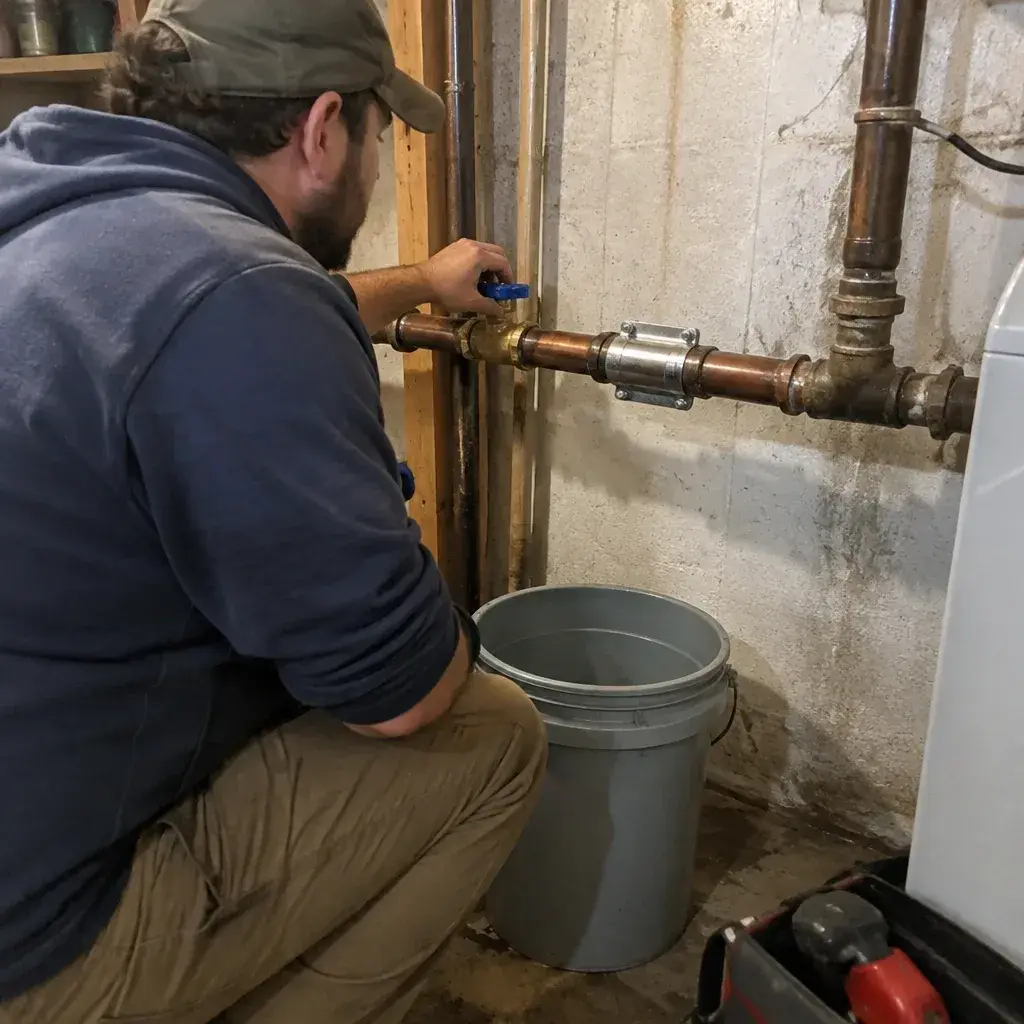
A split on an exposed line may look narrow, but a clamp works only if its sealing pad spans the opening and rests on intact pipe. Close the supply and release pressure before fitting the clamp, so water is not pushing through the split during the work. Compare that option with removing the damaged length: access, fittings, and how far the split extends can make replacement the better long-term value. A clamp is temporary when its label or the pipe’s condition restricts its use.
A clamp that looks close in size may still be unsuitable for the line. Copper, PEX, CPVC, and other water pipe systems differ, and their outside dimensions are not interchangeable. The opening’s shape and length matter too: a compact puncture may fit beneath a gasket, while a long split or damage near a joint can extend beyond the sealing area. Check the product’s approved pipe types, diameter range, and damage guidance before selecting a water pipe clamp.
Match the Clamp to the Pipe
A clamp’s pressure rating sets a limit on the conditions in which its seal is intended to hold. Match that rating to the line’s operating pressure using the manufacturer’s instructions; a tight band alone does not establish that the repair is suitable. The product must also fit the pipe’s measured outside diameter, sit evenly, and cover the opening with its sealing surface. If any of those checks fails, relying on the clamp can leave water escaping or the pipe needing a larger repair.
Pressure rating sets another boundary. A snug fit does not show that a clamp is designed for the pressure in the line; the manufacturer’s stated rating and approved conditions do. If the product’s limits do not cover the pipe’s operating conditions, it should not be treated as a suitable lasting repair. Confirm the rating before selection, since a clamp that cannot safely serve the line may only postpone the work of replacing the damaged portion.
The shape of the opening matters as much as its size. A compact hole may fit within a gasket’s sealing area, while a long split can extend past the surface meant to contain it. Distortion where the gasket bears can also prevent even contact. Compare the full damaged area with the clamp’s coverage and instructions. If any part of the break falls outside that seal, the product may not stop the leak consistently.
Check the Sealing Surface and Limits
A clamp is temporary when its label limits it to emergency or restricted use, or when the pipe or damage falls outside the stated conditions. Even if the dripping stops, that result does not change the product’s approved use. Follow the maker’s instructions for placement and surface condition, and treat any restriction as part of the repair decision. The cost comparison is between the limited work of an appropriate clamp and the added access and replacement work a lasting fix may require.
Installation space affects whether the clamp can be positioned as intended. Its body needs to wrap around the line, and the fasteners need room to tighten without the gasket folding or shifting. The manufacturer may also specify surface condition, placement, or a restricted period of use. Read those directions for the particular model: products that look alike can have different limits. If the pipe is boxed in or access is awkward, fitting the clamp correctly may not be practical without opening the surrounding finish.
Know When a Clamp Is Temporary
A clamp may not be appropriate when the split outlasts its gasket, the pipe is misshapen where the seal must sit, or the break reaches a joint. Water that continues to escape after fitting also means the opening has not been contained. These conditions can shift the choice toward removing the affected piece. The wider the damaged area or the harder it is to reach, the more the cut-out and replacement work can affect the repair cost.
When the split runs beyond the clamp’s sealing area, or nearby pipe cannot support a stable seal, cutting out the damaged portion may be the more suitable repair. That choice adds work because the remaining line must accept a replacement section and sound connections. The added access and fitting work can change the cost compared with containing a small opening. A clamp may still help temporarily when its instructions permit, but it does not turn an unsuitable section into a lasting repair.
Checks Before Choosing a Clamp
- Match the clamp’s approved pipe material and outside diameter to the installed line; similar-looking sizes do not confirm a proper seal.
- Check the product’s approved pipe type, diameter range, pressure limit, and damage guidance before choosing a clamp.
- If the opening extends beyond the gasket or reaches a joint, compare clamp limits with the scope of pipe section replacement.
- Match the clamp’s stated pipe material, outside diameter, and pressure rating to the line before weighing its cost against replacement.
- The sealing pad needs a stable, unobstructed place to sit; nearby joints or bends can prevent even contact around the pipe.
- A split that runs beyond the pad’s coverage can make a cut-out section the more dependable option, despite the added access and fitting work.
Common Questions
What pipe measurements should I check before choosing a clamp?
Yes, when the opening is localized, the gasket covers it fully, and the product matches the pipe and its operating conditions. The clamp also needs room to sit correctly on the pipe. Check the manufacturer’s specifications for pipe material, outside diameter, pressure rating, and approved damage types; a clamp that appears to fit may still fall outside those limits.
Does a repair clamp make a burst pipe fix permanent?
It is temporary when the product is labeled for emergency or restricted use, or the pipe or break does not meet its stated conditions. A stopped leak alone does not make the repair permanent. If the opening extends beyond the gasket, the pipe is distorted, or water keeps escaping, a cut-out and replacement section may be needed.
When is replacing a pipe section the better value?
The cost of using a burst pipe repair clamp depends on whether the damage is small enough for a compatible clamp or calls for pipe removal and replacement. Access to the line, the length and position of the split, the pipe system, and the work needed to make a lasting repair all affect the total. A clamp used temporarily may defer some work, but its specifications and limits still matter.
Compare Clamping With Replacement
Share the pipe dimensions and repair concern to connect with the licensed pros we connect you with. Share the clamp label and pipe dimensions.
Call (800) 215-5682