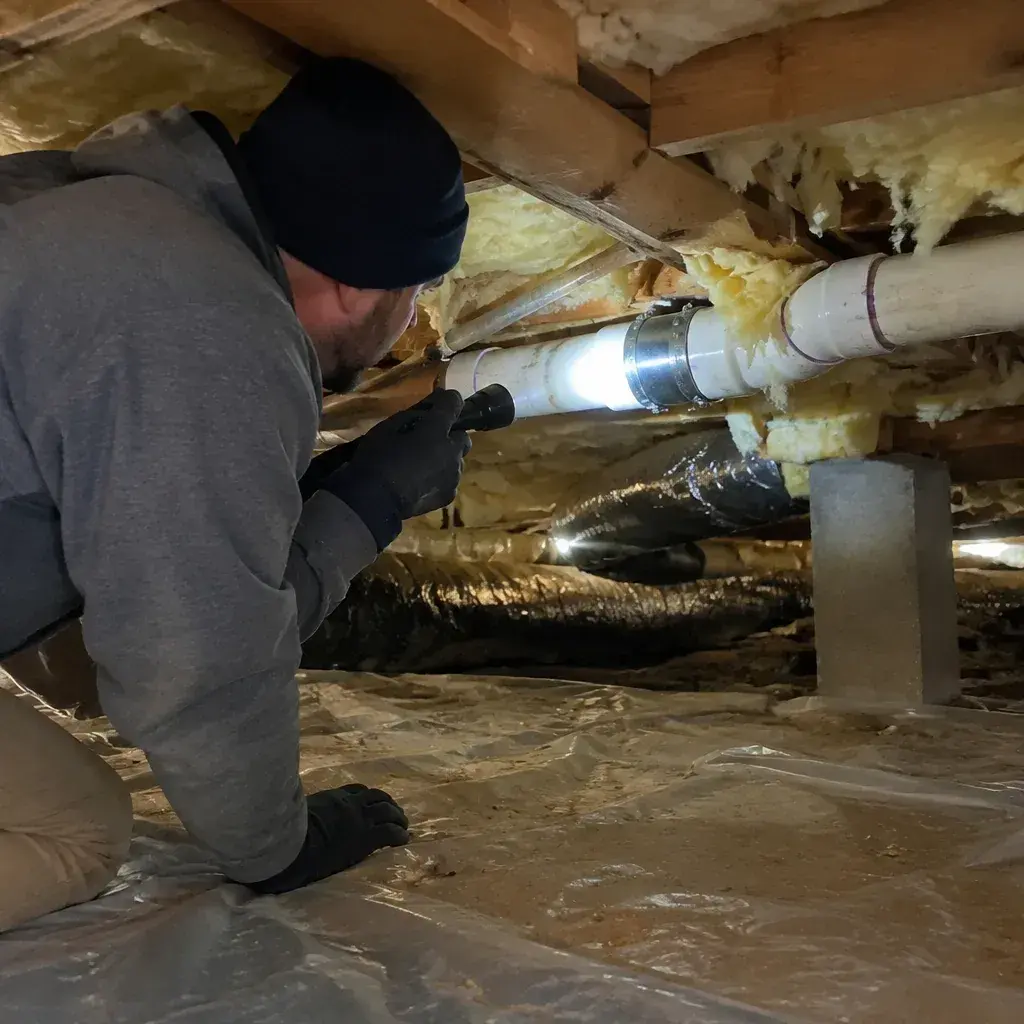
Burst Pipe Coupling Choices Across the US
The licensed pros we connect you with can discuss repair options for a damaged pipe section.
The pipe ends should be clean and undamaged so the coupling’s seals can make a proper connection. Follow the coupling’s cut-preparation and insertion instructions; a push-fit model may specify different steps.
Read the Leak Signs in Order
The cost of a replacement section can vary with pipe material, dimensions, and the coupling that suits the line. Room around the line can matter when a slip coupling must move into its final position. A growing damp patch or falling flow can add clues about the affected section. These signs help narrow what needs attention, while the pipe type and condition determine which replacement parts may fit. A coupling is useful only when it suits both ends of that section.
A slip repair coupling can shift along a pipe before settling over a gap, while a push-fit pipe coupling joins pipe ends through its internal grip and seal. That difference matters when space around a damaged line is tight or one end cannot move freely. The visible gap alone does not tell you which design will work; the coupling’s specified movement and engagement must be possible on both sides of the replacement piece.
A pipe may look the same size as a replacement piece and still be the wrong match for a coupling. Copper, PEX, CPVC, and other approved systems have different connection requirements, and dimensions must fall within the fitting’s stated range. Check the markings or reliable records for the existing line, then compare them with the replacement pipe and the exact coupling model. A mismatch can leave a joint that appears seated but does not seal as intended.
How the Coupling Must Fit
Look closely at the exposed pipe ends for crushing, deep scoring, flared edges, or an uneven cut. Each can affect how a fitting seals or grips, even when the outer surface looks mostly intact. A coupling’s directions define the acceptable end condition, including whether a particular cut shape or edge treatment is required. If the pipe near the break is distorted or damaged beyond the intended joining area, the fitting may have no suitable surface to engage.
With a push-fit pipe coupling, the pipe enters far enough for the fitting’s internal parts to hold and seal against it. The model’s instructions identify accepted pipe types, preparation requirements, and insertion depth; an insertion mark, when provided, helps show whether the end reached its required position. A pipe that stops short or has a surface the model does not allow can leave a joint vulnerable to leakage under pressure.
The condition of the exposed pipe ends also matters when choosing a repair fitting. A slip model must travel along the pipe into its final position, so the surrounding layout has to allow that movement. A push-fit model seats on prepared pipe ends according to its own insertion requirements. For either type, compare the actual pipe dimensions and material with the product’s approved uses; a nominal size label alone does not establish compatibility. The replacement piece and the existing line both need to meet those requirements.
Preparements Set by the Model
A coupling can fit physically yet be unsuitable for a water supply line. Its pressure and temperature limits need to cover the line’s operating conditions, and its potable-water approval must suit the intended use. Read the exact model information rather than relying on appearance or a general product description. This check is separate from confirming pipe compatibility: both the joined materials and the service limits have to fit the application.
After water is flowing through a completed connection, watch the coupling edges first for a bead or shine, then check the replacement section for dampness or a fresh trail. A persistent drip, renewed wet patch, or change in flow suggests the line still needs attention. Moisture may travel before it appears on a nearby surface, so follow its path back toward the pipe rather than assuming the first visible spot marks the break.
Confirm Ratings for the Water Line
A matching pipe size is only part of the decision. Check the coupling’s pressure and temperature limits against the water line’s operating conditions, and confirm that its approval covers the intended water use. Then read the product instructions for end preparation, insertion depth, and any limits on placement. Those details differ by model and pipe system. If the instructions do not cover the existing pipe and replacement piece, the fitting is not a sound match, even when its ends appear to fit.
A coupling is a candidate when both pipe ends are sound where it must seal, the existing and replacement materials and dimensions are approved, and the fitting can achieve its specified engagement. Its pressure, temperature, and drinking-water ratings must also suit the line. The distinction between slip and push-fit matters only after those conditions are met: one must have room to move, and the other must seat to its required depth.
Checks Before Selecting a Coupling
- Match the coupling’s approved pipe types and size range to both the existing supply and the replacement piece.
- Match the fitting to the existing pipe material and the replacement piece; incompatible systems can leave a connection that does not seal.
- Compare acceptable pipe-end condition, required engagement, and any movement or insertion limits in the model instructions.
- Measure both pipe ends and compare their dimensions with the coupling’s stated range, including outside diameter where specified.
- Follow the model’s requirements for square cuts, end finish, and insertion depth before deciding it suits the joint.
- Verify pressure, temperature, and drinking-water approvals for the line’s use, then keep the connection visible for checking.
Common Questions
What signs can indicate that a replacement pipe section is leaking?
It can when the fitting is approved for both pipe materials and dimensions, its ratings suit the line, and each end can be prepared and joined as the instructions require. A slip repair coupling needs space to move into position; a push-fit model needs the stated preparation and insertion. The replacement piece and remaining pipe must provide compatible, sound connection points.
How does a slip repair coupling differ from push-fit?
Only when the specific push-fit pipe coupling is approved for both pipe materials and sizes, and each end can meet the model’s preparation and insertion requirements. Check any insertion mark and the fitting’s pressure, temperature, and potable-water limits. A shared nominal size or similar appearance does not establish compatibility; the product instructions must cover the actual pipe and intended water service.
What shows whether a replacement coupling is leaking?
Check the full replacement section as well as the joints for fresh moisture. A new drip or wet mark means the joint needs attention. The coupling instructions specify how the fitting should be checked; the connection should remain accessible until it has been assessed.
Compare the Fitting With Both Pipe Ends
Compare the coupling instructions with both pipe ends, including approved materials, measurements, ratings, and the required joining method.
Call (800) 215-5682