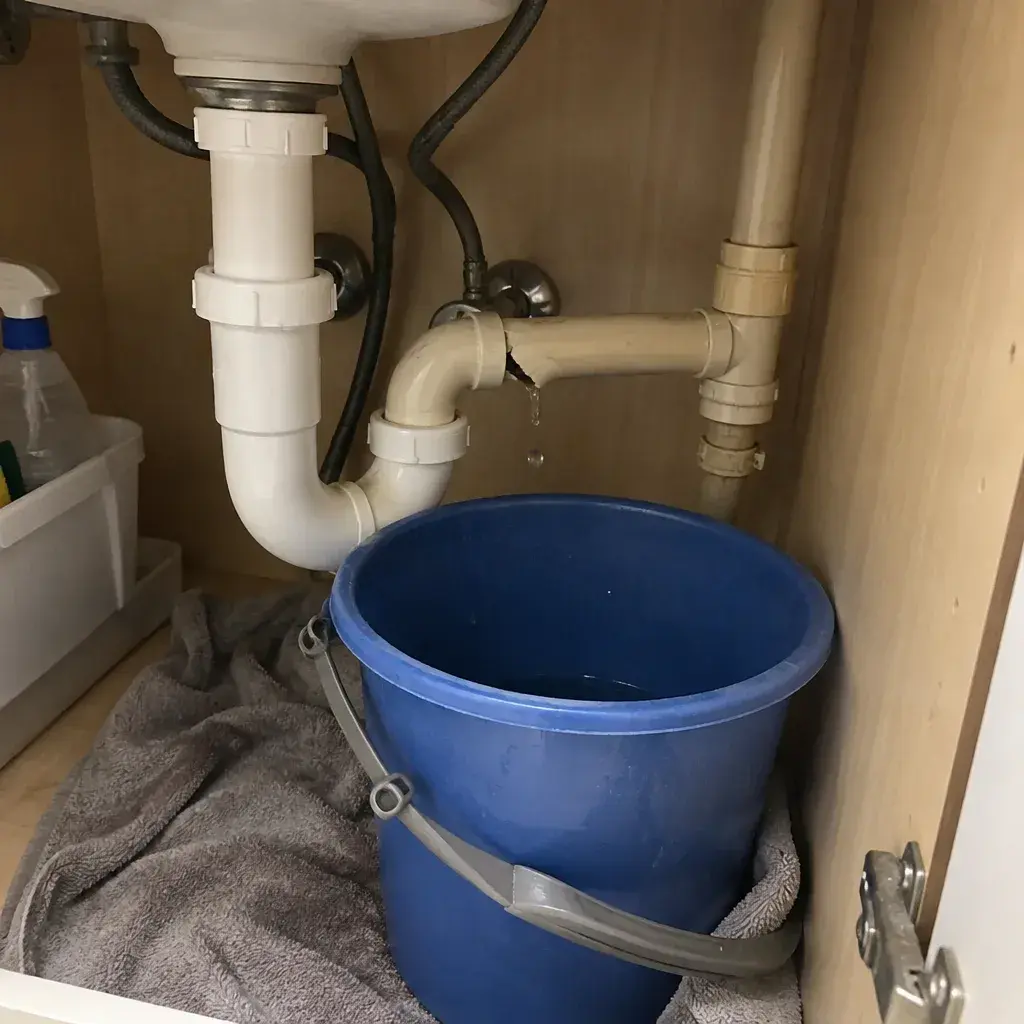
Forces That Can Split Supply Plumbing
A CPVC break can be easy to spot on an exposed line or harder to locate when the pipe runs behind a wall, ceiling, or floor. That access difference shapes the repair and its cost. Reaching a break behind a finished surface can be part of the repair.
Across the United States, CPVC routes and access vary with each building. A fitting can also be the source of a leak, rather than a split in the pipe. That difference can affect access, repair scope, and the cost comparison over the pipe’s remaining service life.
Dedicated pages mark the service areas named on the site. State listings give a broad view of coverage, while dedicated pages focus on specific service areas.
Verifying the Repaired Line
- REPAIR SCOPE
- Printed CPVC markings and the pipe diameter guide selection of replacement material and fittings for the existing supply line.
- COST FACTOR
- The connection has to suit CPVC and use the joining method specified for that piping system.
- CPVC MARK
- A local repair may limit present work when the break is contained and the adjoining pipe can support sound connections.
- REPAIR CHOICE
- Comparing a short repair with a longer section replacement depends on nearby pipe condition, access, and the service life expected from what remains.
- REMAINING LIFE
- A CPVC mark helps identify the system; the plumber checks pipe condition, size, and joint type, then weighs localized work against replacement needs over the remaining service life.
- RESTORATION
- Seasonal temperature changes can make vulnerable lines in unheated spaces more prone to freezing; water expansion may split CPVC, with leakage noticed during or after a cold spell. Weather can help explain timing, but inspection is needed to find the break and judge remaining pipe condition.
- DAMAGE EXTENT
- an estimated $275–$1,100
When Dampness Comes From Another Source
The repair material needs to suit the line’s purpose and connections. The rigid plastics can look alike where only a short section is visible, but the printed material marking helps identify which system the pipe belongs to. Check an intact connection near the break: the fitting should be identified for CPVC and suit the pipe’s connection type. Similar rigid tubing can look alike, but its fitting system may differ. Matching the pipe and fitting at the joint helps distinguish a compatible CPVC assembly from a look-alike line.
Locating the Failed Supply Line
The plumber traces the water to the CPVC line and exposes the break if needed. They inspect the split, nearby fittings, and surrounding pipe for signs that the damage extends beyond the visible opening. Pipe markings, size, connection type, and working room help determine whether a localized repair is feasible.
To compare costs over the pipe’s remaining service life, weigh a localized repair against future replacement needs suggested by the adjoining CPVC’s condition. The plumber locates the split, assesses nearby pipe and fittings, and matches the pipe size and connection type. A compatible section is joined using its specified method. Before closing access, the pro confirms the joint is seated and restores flow.
Cost turns on pipe material, access, and how much line is affected. An isolated rupture generally calls for a repair appointment, not continuing cover. Ongoing visits make sense only when the assessment identifies separate weak points or repeat failures; ask what each visit would address before agreeing to a plan.
CURRENT LEAK CORRECTION AND FUTURE PIPELINE REVIEW
| Cost Drivers |
When Replacement Fits |
|---|
| Recent pipe damage, identified near its start | Urgent leak response |
| Water escapes from an earlier pipe fix | Repair completion |
| Several failed sections on one supply route | Section renewed; pressure hold confirmed |
PIPE REPAIRPlumbing code and permit requirements depend on the jurisdiction and job scope. Ask the pro what local requirements apply and request an invoice that identifies the CPVC work, materials, and leak check. Because this page covers multiple jurisdictions, it makes no state licensing claim; verify local rules where the repair takes place.
Moisture Hidden Behind Finished Surfaces
A burst CPVC water line can wet a wall, ceiling, floor, or concealed insulation while water continues to escape. Delayed access may add finish work to the plumbing repair. Comparing a localized fix with section replacement means considering access, nearby pipe condition, and whether recurring repairs could cost more over the line’s remaining service life.
Keep the Work Area Clear for Inspection
From an unaffected area, note where water is appearing and whether a CPVC marking is visible without approaching the leak. Keep people out of the affected space. If you can see that marking, pass the material detail to the referral service so the independent plumber it connects you with can assess the right repair approach.
When to Leave the Valve Alone
Water loss can damage finishes and belongings, and a wet room may involve electrical danger. Keep people out of areas where water reaches wiring or appliances; do not cross a flooded space to inspect pipework. A split CPVC line may show as a spray, drip, or damp patch that grows. The pipe is the leak source, while the room and belongings can show its effects.
Does Water Cleanup Add to Pipe Repair Costs?
The right parts depend on the installed pipe and its condition; have the pros we connect you with explain how their repair choice shapes the estimate.The guide amount reflects work on the damaged supply line and can shift with its position, access, and the section needing replacement. A concealed break may require opening a finished surface before the plumber can see the full repair. Water extraction, drying, and rebuilding fall outside $350–$1,300 and call for separate services.See pricing guide for the full range and the details that can shift a quote.