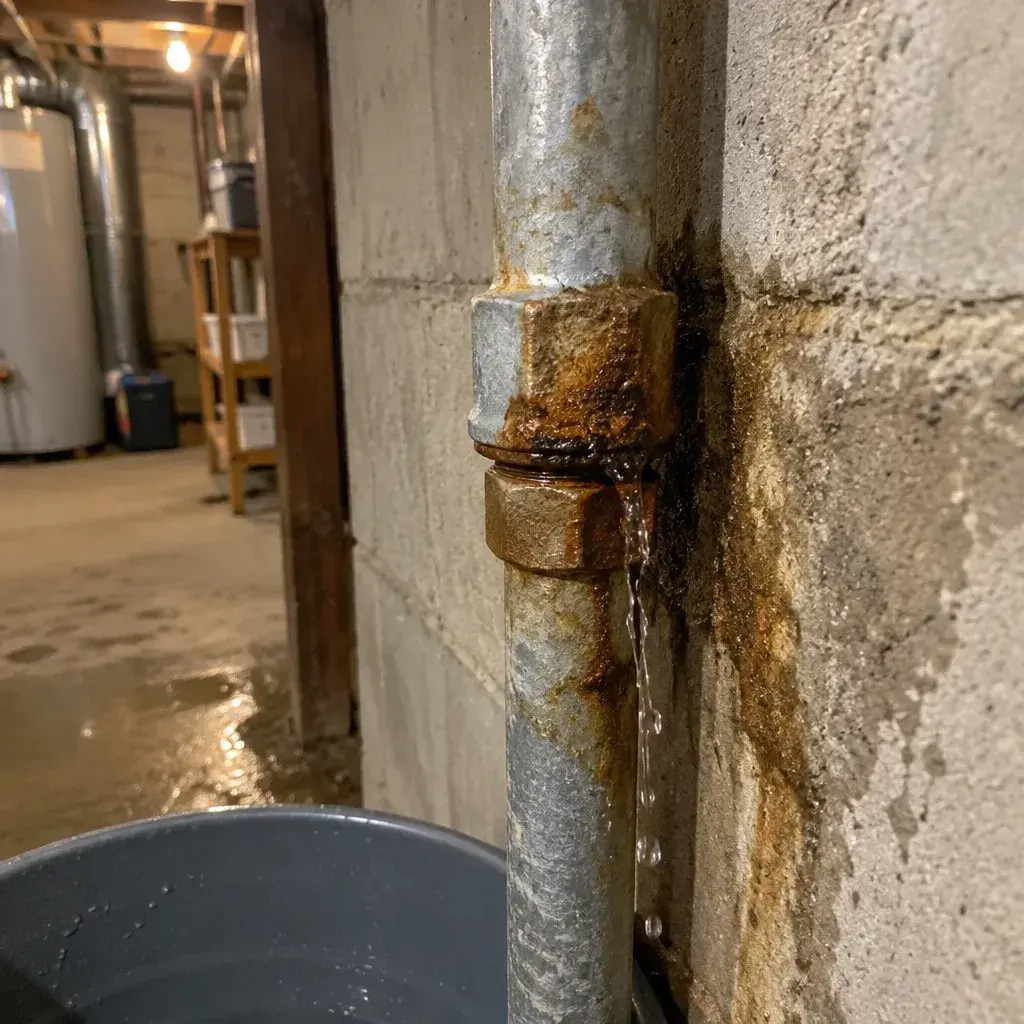
Weak Spots Along Household Plumbing
The condition of galvanized pipe may vary along a single supply run, so its whole visible length can matter. Those conditions affect exposure and access when a galvanized line fails. A local assessment is needed to identify the actual pipe condition and repair scope at a specific property.
A burst galvanized line can occur across the areas this national page serves; the pipe’s condition and the way it can be reached shape the repair. The page helps readers understand the leak before considering a repair.
A page for a named service area provides local information; it does not set a boundary around the wider referral network. A state’s presence on the coverage list does not show which licensed pros can reach a particular request.
Staying Clear of Wet Hazards
- LEAK
- Replacement cost moves with the length of damaged pipe, the condition of nearby metal, and how much access the repair requires.
- PIPE CONDITION
- A short repair is possible only when the remaining galvanized pipe can support secure connections at both ends.
- CUTOUT
- Visible rust or flaking can help identify pipe sections that need closer attention.
- ACCESS
- Ask the professional to document the section replaced, the fittings used, and the pressure check on the invoice.
- SCOPE
- Corrosion beyond the split or limited access can expand the affected section that must be replaced for a dependable repair.
- COST FACTORS
- Freeze exposure can differ between an outdoor or unheated run and pipe protected inside a home. A leak may become apparent as conditions change, but the season alone cannot establish why a galvanized line failed. Inspection of the damaged metal and nearby connections guides the repair.
- PIPE TYPE
- an estimated $275–$1,100
What a Repair Check Can Confirm
Galvanized pipe corrosion is gradual deterioration of the steel, often with rust or scale. A burst is a rupture through the pipe wall that lets pressurized water escape; corrosion may weaken metal, but its presence alone does not mean the pipe has burst. Internal scale can restrict flow even when the outside of the galvanized pipe looks intact. Rust staining alone does not confirm a rupture; an active leak or inspection of the pipe can establish whether the wall has split.
Containing Water Before Assessment
The water supply is shut off before the damaged pipe is opened for repair. They inspect reachable metal and threaded ends around the rupture for scale, pitting, and wear. That assessment shows whether the failed piece has sound connection points or whether the damaged section needs to extend farther.
With the affected water supply isolated, the professional removes the failed piece when sound ends remain and installs a compatible section with matching connections. If deterioration reaches the proposed joints, or access prevents a reliable connection, the repair may extend beyond that piece. The line is returned to pressure and checked for seepage and water flow.
The cost depends partly on whether compatible pipe and fittings are clear once the break is exposed. $350–$1,300 A contained repair can often be completed in one visit. If inspection identifies another suspect section, ask for its location and condition before agreeing to continuing work.
TARGETED PLUMBING ACCESS ALONGSIDE REGULAR CONDITION TRACKING
| Cost Drivers |
When Replacement Fits |
|---|
| One damaged line, still in its early stage | Targeted pipe service |
| Supply line seeps again after prior repair | Water flow check |
| Pipe damage at multiple points in one line | Repair followed by a flow check |
REPAIR SCOPEPermit and inspection requirements can depend on the local authority and the work involved; the available facts do not identify a specific rule. Ask the local building department what applies. Have the invoice identify the galvanized section repaired, materials and fittings used, and how the completed connection was checked.
Signs of Water Damage Indoors
Water escaping under pressure can soak insulation, framing, floors, and stored belongings. Continued leakage may soften finishes or carry moisture beyond the first visible mark. Moisture trapped in enclosed spaces can persist after the visible surface starts to dry. The longer water continues to escape, the more material may be affected.
Separate Pipe Repair From Water Recovery
Do not test the line by turning nearby fixtures on while leakage is active. Avoid loosening a joint or attaching a clamp while the line may be pressurized. Leave access decisions and pipe connections to a qualified plumbing professional.
Repair Boundaries and Cleanup Needs
Water may become visible some distance from the break after moving through a floor or wall cavity. The hazard can extend beyond the split as water spreads into floors or wall cavities and leaves surfaces unstable underfoot. Treat active leakage as urgent, and keep clear of places where wet building materials appear loose or unsafe.
Is Leak Checking Part of the Repair Cost?
A hard-to-reach break can add work before the line is repaired; ask the pros we connect you with to describe that access work in their estimate.The guide amount reflects work on the damaged supply line and can shift with its position, access, and the section needing replacement. A concealed break may require opening a finished surface before the plumber can see the full repair. Water extraction, drying, and rebuilding fall outside $350–$1,300 and call for separate services.See pricing guide for the full range and the details that can shift a quote.