Record the Finding and Repair
A written burst pipe estimate should turn what you observed into a defined scope: identify the affected water line and describe the proposed repair or replacement. It should name the pipe and fitting materials, with enough detail to show they suit the existing system, and separate labor from materials. Check whether access, cleanup, drying, or repairs to walls and ceilings are excluded or may require added work. Before approval, ask the pros we connect you with to explain unclear assumptions, pending inspection items, and what would trigger a revised written estimate.
The work description should lay out the repair steps in order: isolating the affected supply, reaching the damaged section, installing the repair, and checking the line afterward. If the pipe is concealed, note what access work is included before plumbing begins. A plumber written estimate that describes these tasks makes it easier to see what the provider plans to do at the property and where the stated plumbing work ends. Ask for any unclear step to be spelled out.
Name Materials and Labor Tasks
Repair quote details should separate the tasks from the components being installed. The parts description can identify the pipe segment, connectors, and fittings needed for the work, while the labor description shows which installation and checking tasks are included. Replacement pieces must suit the existing line's material, dimensions, and connection method; a mismatch can leave a leak at the joint. If the estimate uses broad labels such as “supplies” or “labor,” ask what those entries cover before approving them.
Labor entries should tell you which tasks are included, such as opening an access area, removing the damaged section, joining compatible parts, and checking the repaired line for leaks. The listed work should match the described repair. If the plumber cannot yet confirm a task because the pipe is behind a wall or ceiling, the estimate can label it as undecided instead of implying that it is included. Ask what observation would settle that item and how you will be told before additional work proceeds.
Mark Access and Excluded Work
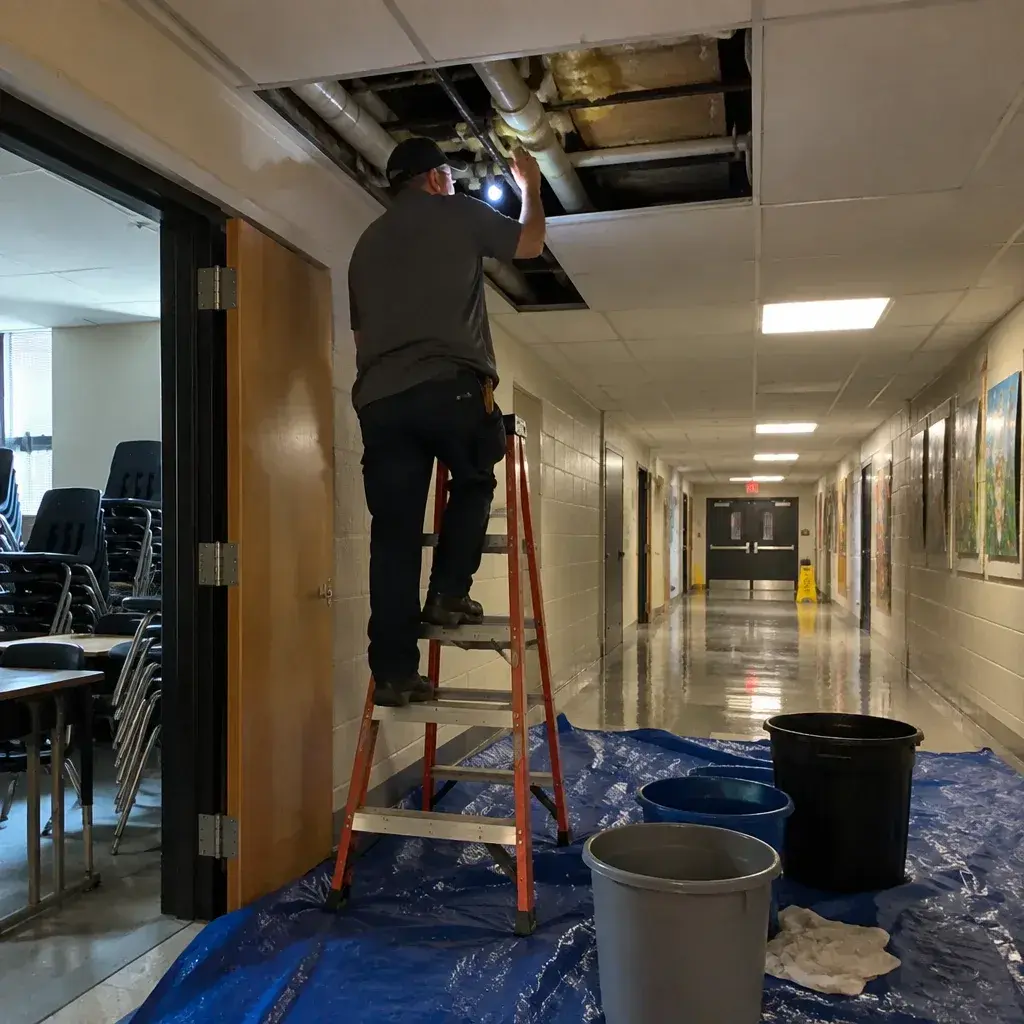
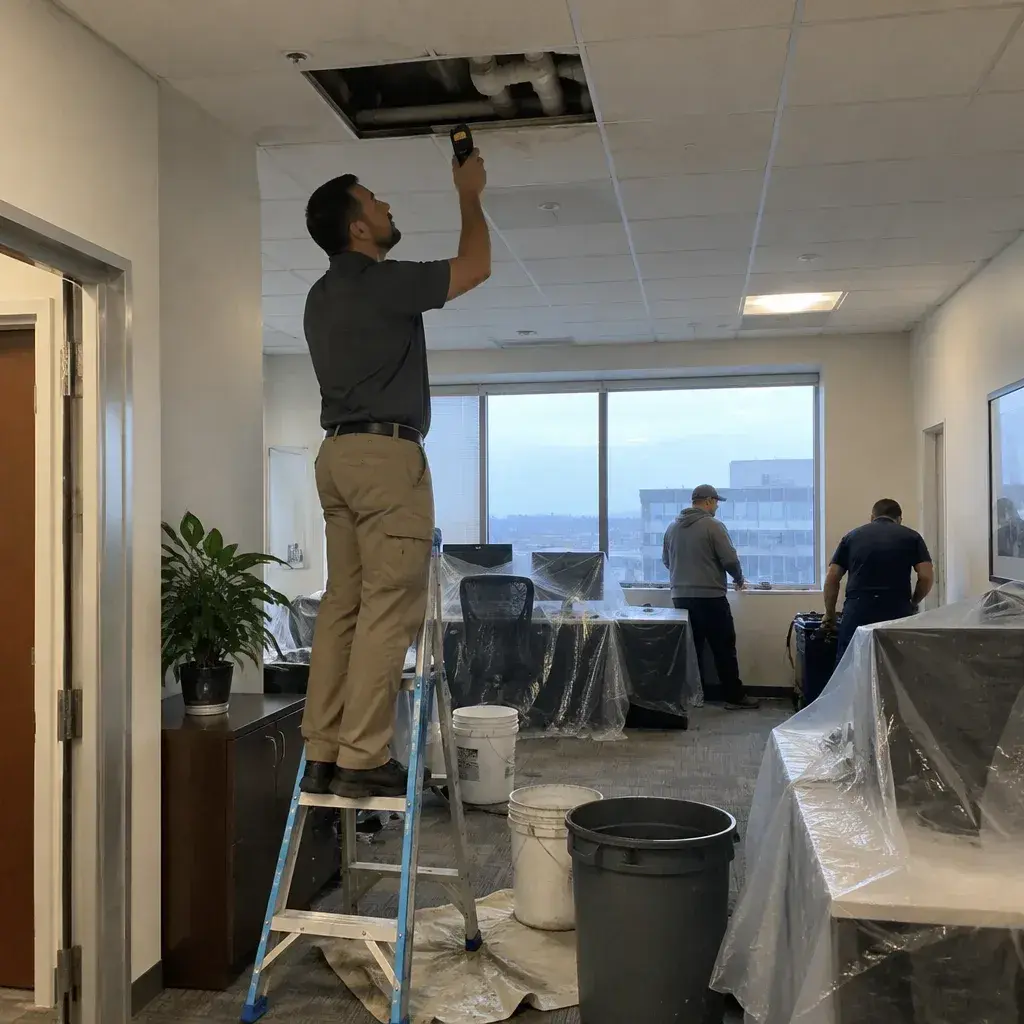
An estimate can also state what would prompt a change to the written scope. For example, a plumber may find that reaching the line requires removing a finish, or that more pipe is damaged than could be seen during the initial review. Ask how the provider will describe that added work and get your authorization before it begins. This keeps the approved document tied to the work you agreed to, even when opening the area reveals a different condition.
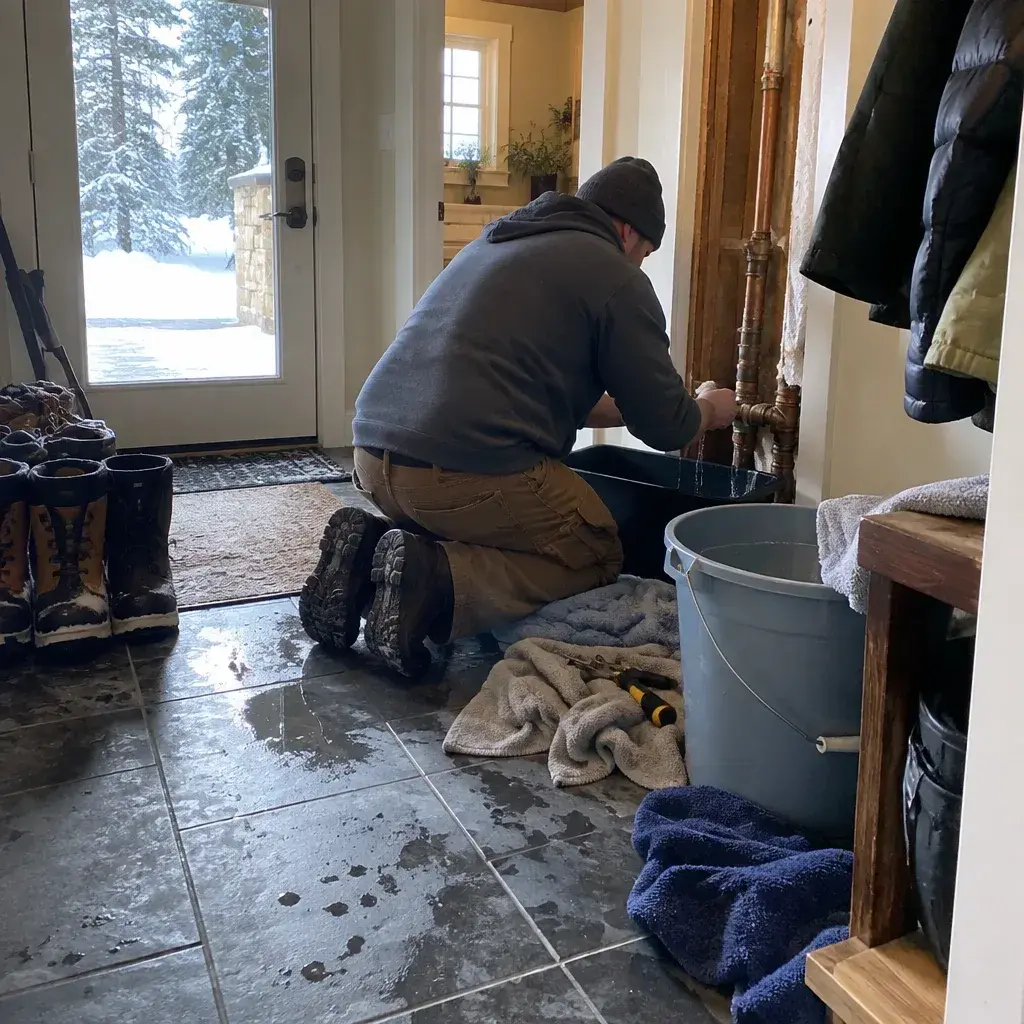
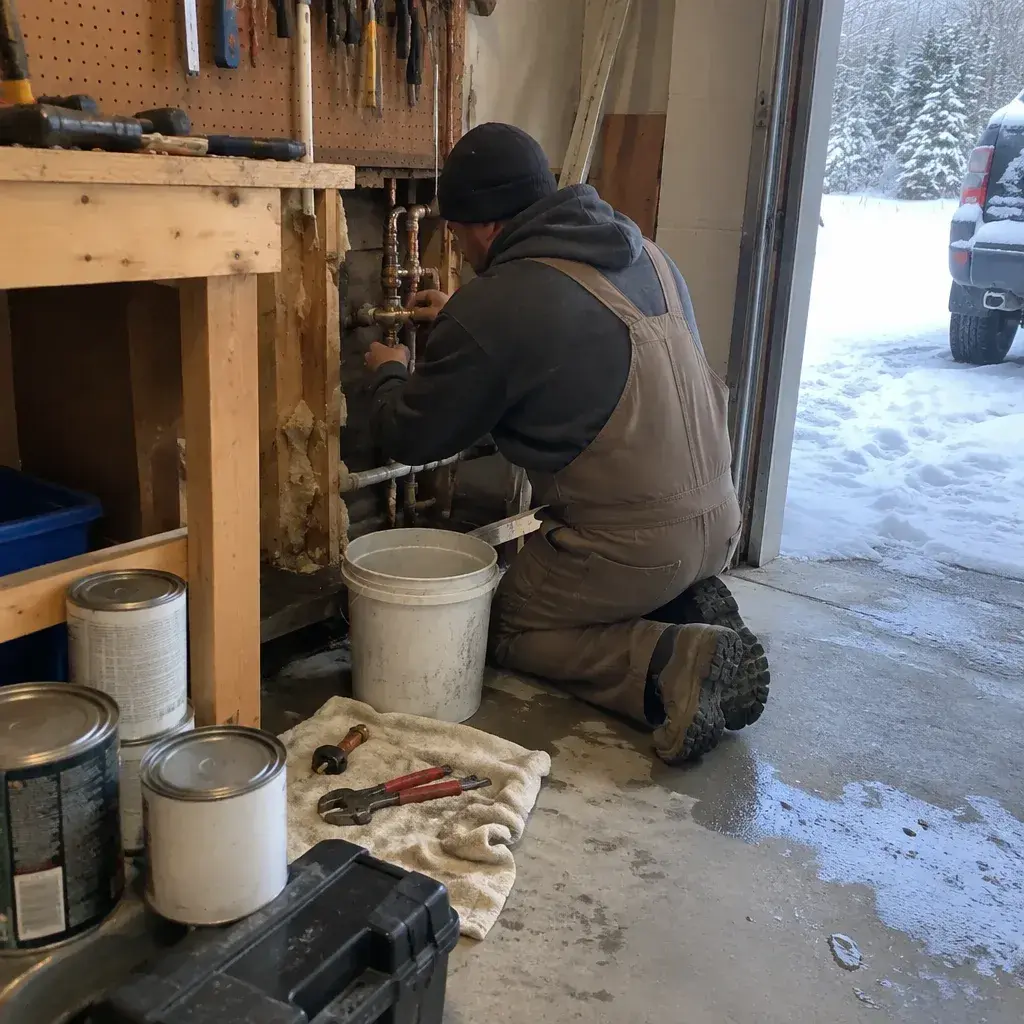
Cold conditions can complicate what is visible at the first visit: a leak may show up after a freeze, while the pipe itself remains concealed. The estimate should distinguish confirmed work from steps that depend on opening the area and seeing more of the line. It can describe the next decision point, the task that may be added, and whether you will review a revised scope before it proceeds. This gives you a way to handle newly found damage without treating an unknown condition as already approved.
Resolve Open Items Before Approval
Before you approve the estimate, ask which condition the plumber observed, what repair task addresses it, and how the completed line will be checked. If a temporary clamp appears in the proposed work, ask whether it is meant to control water briefly or represents the full repair; a clamp may slow some leaks but does not establish that the damaged section has received a lasting repair. Resolve unclear wording with the provider and request an updated written scope when needed.
When requesting burst pipe service, describe the visible leak and any damage you have noticed. Use the page for your location when one exists, then review the estimate from the pros we connect you with. Does it identify the observed condition, repair steps, parts, labor, and any limits on the work? Which unclear item needs an answer before you authorize the repair? Those questions can help you decide whether the document explains the proposed job well enough.
Dealing with a burst pipe in your home?
A pipe can split behind a wall, under a sink, or near a water heater, and limiting water damage is an important first step. For burst pipe repair in a nearby town, contact the pros we connect you with and ask whether they serve your address. They can discuss their availability, possible visit timing, and any charge for coming out.