Office Burst Pipe Repair
Commercial Plumbing
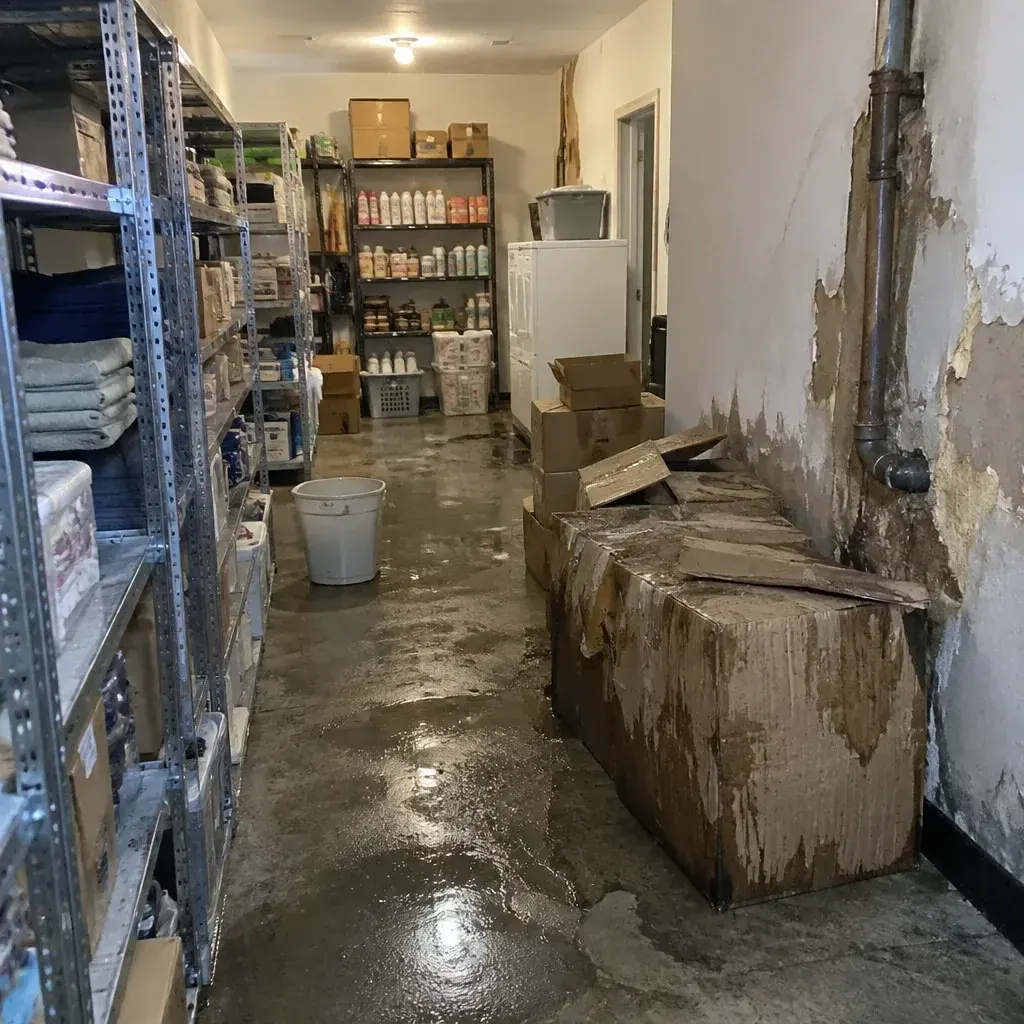
Coordinate retail burst pipe repair with store access, customer movement, staff needs, and the services affected by the break.
A plumber assesses the damaged line, identifies the affected store zones, and isolates water service where practical. They repair or replace the damaged section with compatible parts, then check the repair and restore flow. You can limit disruption by coordinating access, customer routes, and work timing with store staff.
Emergency burst pipe repair cost depends on the damaged line, the parts that fit it, and how much work is needed to reach and replace the failed section. In a retail property, the plan also has to account for trading hours and which store areas depend on the affected water supply. A map of sales and back-of-house spaces helps you explain operating limits to the plumbing professional. From there, you can discuss a repair that contains the work area and reduces avoidable interruption.
A repair can affect more than the fixture beside the leak. If the plumbing work sits near a checkout, accessible aisle, staff entrance, or receiving route, customers and employees may need a different path while the area is closed. Walk the store with the site contact and identify the routes that must remain usable. That gives the pros we connect you with a practical picture of store traffic and helps shape a work boundary around daily operations.
Before discussing repair options, sketch the store and mark the wet sales floor, stockroom, and any affected service areas. Add the customer paths, staff routes, registers, and fixtures that are out of use. A simple plan helps the plumbing professional understand which areas can pause and which need continued access. It also gives store leadership a shared reference for keeping the repair contained as work moves forward.
Retail burst pipe repair means finding and fixing a break in a pressurized water line serving a store or shopping center. The plumber identifies the affected line, assesses the damaged section, and chooses a repair suited to the pipe and its connection. Depending on the condition, that may mean replacing part of the line or using a compatible fitting. The goal is to restore usable water service while keeping plumbing work limited to the areas it needs.
A clear work boundary can help a store remain usable while a plumber works. Mark where tools and materials can be placed, which aisle or room must close, and how staff can reach essential work areas without crossing customer space. Your site contact can coordinate that boundary with the plumbing professional and adjust it if the repair scope changes. The plan should leave the affected area controlled while preserving practical routes elsewhere in the store.
| Store area | Access note | Service impact |
|---|---|---|
| Shopper flow | Entrances, checkout lanes, and aisle connections | Route shoppers around the repair footprint |
| Work access | Receiving bays and employee passageways | Preserve staff access to essential work areas |
| Occupied sales zones | Goods stored below or beside the leak | Shift movable items when conditions are safe |
| Stock displays | Shelving, display cases, and fixed counters | Identify obstructions before setting the work area |
| Electrical exposure | Powered coolers, checkout units, and nearby outlets | Keep the repair boundary clear of wet electrical hazards |
| Water service | Sinks and departments affected by isolation | Plan restoration around the store functions affected |
| Store timing | Delivery periods and expected customer surges | Set an access window with store management |
| Work zone | Sales floor and back-of-house repair locations | Mark the boundary and the technician approach |
A damp carton, swollen display base, or water near powered equipment can signal that the leak is affecting store assets as well as the floor. Note which merchandise, fixtures, shelving, or electrical equipment sits in or beside the wet zone, so the site team can keep those items out of the plumbing work area. Water damage cleanup may require a separate provider; the plumbing repair addresses the failed line and its return to service.
Divide the store plan by operational use: the area where plumbing work is needed, the paths customers and staff still need, and zones that can temporarily close. For example, a leak beside a fitting room may call for a short detour through the sales floor, while a stockroom repair may affect receiving. Basing closures on actual store functions helps you limit disruption without sending people through the active work area.
Shopping center plumbing can involve a line or fixture used by neighboring tenants or shared spaces. Ask the property contact who can arrange entry to those areas and which businesses depend on the affected service. That coordination helps the plumber understand the full scope and lets each tenant plan around any temporary loss of access or water service. A single site contact can keep those arrangements clear as work proceeds.
Choose a repair window by looking at the store’s traffic pattern alongside staffing, deliveries, and the time needed to keep a safe work area. A quieter period may reduce customer detours, but it may conflict with receiving or leave too few staff available to manage store access. Share those constraints before scheduling so the plumbing professional can discuss a workable window and explain how long service may be interrupted.
Give employees and affected tenants one site contact for updates during the repair. That person can relay which area is unavailable, what customer route remains open, and when the plumber expects to check service. A consistent channel reduces conflicting directions at entrances and across departments. If the planned work area shifts, the contact can alert store leads so they can adjust customer movement and staff assignments.
The cost of emergency burst pipe repair varies with the pipe material and size, the connection parts required, access to the damaged section, and the condition of the surrounding plumbing. In a store, the work plan may also depend on the areas that must stay open and the hours available for repair. Ask the plumbing professional to explain which parts of the scope drive the estimate, including any work beyond the pipe repair itself.
Once the damaged section is repaired or replaced with parts suited to the existing line, the plumber can restore water and check the connection for leaks and usable flow. Store staff can then confirm that the fixtures relied on by the affected department work as expected. Plumbing repair covers the water line; water extraction, drying, and rebuilding damaged finishes may call for a separate provider. Knowing that boundary helps you plan the return of affected store areas.
This is a national page for retail burst pipe repair. Some places have their own location pages; elsewhere, you can reach the pros we connect you with through the same referral. For a store or shopping center, describe the affected departments, the routes customers and staff need, and any operating limits. That context gives the plumbing professional a clearer starting point for discussing the work and its likely effect on store service.
Before returning a closed zone to normal use, ask the plumbing professional whether the repaired line has been checked and whether water service is functioning. Store staff can test the fixtures used in that department and confirm that customer and employee routes are ready to reopen. If a fixture remains out of service or water flow is not as expected, keep the relevant area closed while the issue is addressed. That keeps the reopening tied to actual service, rather than the repair schedule alone.
Dedicated place pages provide local Burst Pipe Repair information; beyond those locations, the same referral can connect you with pros to discuss service reach, includingAnchorage AK, JBER AK and Chugiak AK. For a location beyond routine coverage, ask if the pros we connect you with can come out and what travel terms apply.
For an office building, the pros we connect you with generally price burst-pipe work by visit; $350–$1,300 offers a planning reference. A small branch line differs from a larger supply run, and repeat callouts, pipe material, access, and replacement needs shape the estimate.Commercial estimates can change when a larger supply line needs fittings suited to its system or when access affects the repair. When calling, share the pipe material, size, and connection type if known, where the line can be reached, and which area lost water. Ask whether locating the break is included.Use pricing guide to compare factors that shape a commercial repair estimate; commercial overview describes the assessment before work starts.
Commercial Plumbing
Hotel Plumbing Coordination
Kitchen Pipe Repair
Walk the property by department and identify which fixtures or service points rely on the damaged line. That helps the plumber estimate which zones may need isolation and set a repair boundary that fits store operations. Pipe material, damage extent, and working room shape the repair options. Agree with the store lead on entry arrangements and the order for returning affected areas to service.
Customers may use parts of the store that remain separated from the repair area, as long as staff can maintain a safe route and keep people away from the work. You can plan temporary barriers or route changes around checkout and accessible paths. If the affected area cannot be separated safely, restrict entry there until the plumbing work is complete and the area is ready to reopen.
Allow time after the repair to check that the affected fixtures are working before normal service resumes. A quieter sales period may help, but receiving activity, staff access, and the fixtures affected by isolation also matter. Ask how long the supply may be unavailable and whether work can proceed by zone to keep other departments operating.
Once the area is safe to enter, identify stock, display units, and powered equipment close to the repair. Relocate movable items or mark what must stay in place so the work area can be arranged around them. Keep people away from wet electrical equipment and have the appropriate provider address water cleanup or damaged finishes after the plumbing repair.
Map affected store zones and customer routes, then review access limits and repair options with the pros we connect you with.
Call (800) 215-5682