Office Burst Pipe Repair
Commercial Plumbing
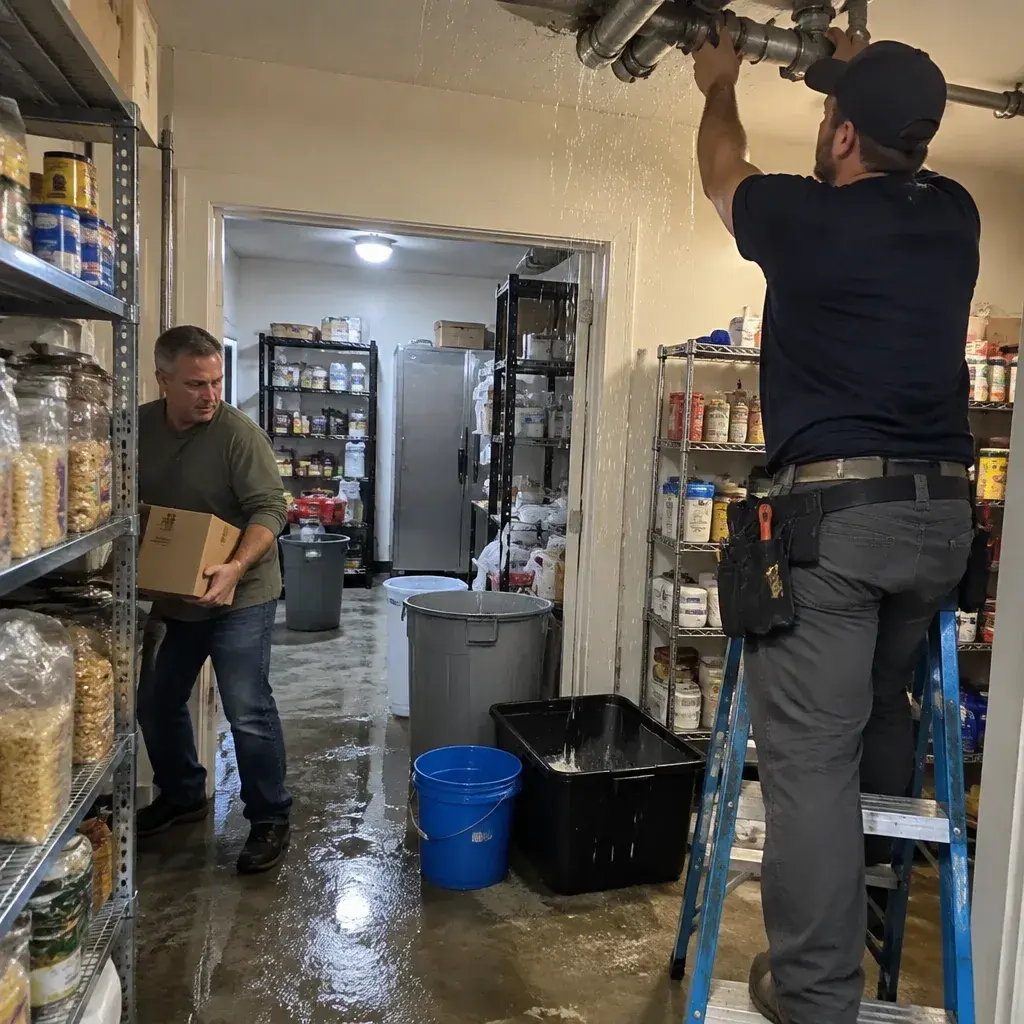
Plan industrial burst pipe repair around process dependencies, site access, and a coordinated return to water service.
A plumber locates the break, safely isolates the affected supply, and repairs or replaces the damaged pipe with compatible parts. After checking for leaks and flow, facility teams coordinate water restoration to production and support areas in stages.
Emergency burst pipe repair costs depend on where the break sits, which pipe and fittings are needed, and how much access work the facility requires. But the operational effect can grow while water service is unavailable: production equipment may wait on process water, while wash areas or other support functions lose supply. A useful repair plan starts by identifying those dependencies and potential isolation points. Operations and maintenance can then coordinate access, help define the repair boundary, and set practical stages for restoring water.
A facility map can show which production bays, washdown points, cooling equipment, and staff areas draw from the affected branch. If a line serves more than one zone, mark each connection and note which operations depend on it. This gives you and the plumbing professional a shared view of the affected systems before choosing where to isolate the supply. A clear map can also reveal whether service might be maintained to unaffected areas while work proceeds.
A sudden change in pressure, water on a floor, or a damp ceiling can point to a break, but the visible sign may be some distance from the pipe. Note when staff first found it and which areas or equipment show signs of water. Keep those observations with the facility’s pipe drawings and maintenance records. They help narrow the suspected route and give the professional useful context when assessing whether the pipe is exposed or concealed.
Access planning starts with the people who know the site’s restricted areas and active work zones. Tell the plumbing professional about required check-in points, escort needs, operating hours, and routes that must stay open for facility staff. Mark equipment or materials that limit access to the pipe. If the suspected line is near energized equipment or a wet area, keep personnel clear until the space is safe to enter. Do not operate a valve that cannot be reached safely.
Before closing a valve, identify what else would lose water with that branch. A shared line may feed production equipment as well as wash stations, sanitation functions, or maintenance areas. Operations and maintenance staff can help determine which connected systems need to be shut down or supported while the line is isolated. Knowing the boundary in advance helps the professional target the affected section and gives facility teams a basis for planning a controlled return of service.
| System role | Water need | Isolation point |
|---|---|---|
| Affected zone | Equipment and line served | Staff and sanitation areas |
| Water dependency | Required process water | Fixtures needing supply |
| Isolation boundary | Branch valve and connected loads | Production feeds, support branches, and shared supply |
| Operations input | Equipment state and operating window | Occupancy and service requirements |
| Access conditions | Machine clearance and line exposure | Utility room entry controls |
| Repair basis | Pipe material, size, and condition | Connection type and nearby fittings |
| Return criteria | Process owner confirms usable flow | Facilities checks support fixtures |
| Closeout record | Repair limits and parts used | Updated labels and drawing references |
The repair approach turns on the break’s location and how much access the pipe needs. A split on an exposed line may allow work at the damaged segment; a leak traced to a pipe behind a wall, ceiling, or floor may require access to that space. The professional can use your drawings and observations to focus the assessment. For a warehouse pipe repair, aisle clearance and stored goods may also affect where tools and materials can be positioned.
Once the failed portion is accessible, the pipe’s material, diameter, condition, and connection style help determine suitable parts and joining methods. Copper, PEX, and CPVC systems do not all use the same fittings or installation methods. Depending on the damage and surrounding pipe, the professional may replace a section or use another compatible repair. Matching the existing system matters: a connection that does not suit the pipe can create another leak when water returns.
Give the professional a site contact who can coordinate with operations and maintenance while work is underway. Explain any rules for moving through production floors, loading areas, or controlled storage spaces, and identify where equipment must remain accessible. At a warehouse, stored inventory can narrow an aisle or block a pipe route, so point out safe staging areas before materials arrive. These details help the repair work fit the facility’s layout and movement needs.
After the damaged portion is repaired, water can be restored to check the connection for leaks and confirm that flow has returned. If the pipe layout permits, operations can bring connected zones back online in a planned order. Start with the areas that can run independently, then coordinate the remaining branches with maintenance and production staff. This gives the team a clear way to notice whether a connection or dependent system needs further attention.
As service returns, staff familiar with each area can watch its outlets and connected equipment for changes in flow or pressure. A line may serve functions with different operating needs, so confirm that each zone is ready before restoring water to it. Keep a direct contact between the person monitoring the area and the facilities lead coordinating the return. If an issue appears, pause the next stage and report what changed so the professional can assess it.
Keep a facility record of the failed location, the branch involved, parts installed, and the areas that were isolated. Add the service zones brought back online and any follow-up observations from operations or maintenance. A useful record lets the next shift understand what was repaired and which systems were checked. It can also help you compare the facility’s drawings with the actual pipe route, especially if the repair exposed a connection that was not shown clearly in existing records.
The plumbing work covers the water line and checks on the repair. Water left on floors or moisture in walls, ceilings, and stored materials may call for separate extraction, drying, or building work. Note which areas need that attention and coordinate with the appropriate provider after the pipe is addressed. Keeping those scopes clear helps facility staff track both the line repair and the condition of affected spaces without treating them as one service.
The site connects readers with the pros we connect you with in covered areas; location pages identify places with their own pages, including Vestavia Hills Elementary Cahaba Heights and the Motiva Port Arthur Manufacturing Complex. Coverage also includes Alaska, Alabama, Arkansas, Arizona, California, Colorado, Connecticut, and the District of Columbia. Elsewhere, the same referral connects you with the pros serving that location. A page for one place describes that location; it does not set conditions for every facility nationwide.
When you contact the pros we connect you with, have the facility address, a site contact, and a current drawing of the affected water system ready. Identify the production and support areas that use the line, any known isolation points, and access rules for the work area. Share what staff observed and which zones need service restored first. That information gives the plumbing professional a practical starting point for discussing the repair scope and a staged return of water.
The cost of an interruption can extend beyond the plumbing work when a shared water line serves both production and support areas. A shutoff that reaches too far may pause unrelated functions; one that misses a process connection may leave water flowing toward the damaged pipe. Facility drawings, operator knowledge, and maintenance records help clarify those links. Once the repair boundary is understood, teams can document which areas are ready for service and which need further checks before operations resume.
Dedicated place pages provide local Burst Pipe Repair information; beyond those locations, the same referral can connect you with pros to discuss service reach, includingAnchorage AK, JBER AK and Chugiak AK. For a location beyond routine coverage, ask if the pros we connect you with can come out and what travel terms apply.
Stopping the leak can help limit water damage to nearby equipment and materials. Access to concealed piping and matching replacement parts to the installed system also shape the work.Commercial estimates can change when a larger supply line needs fittings suited to its system or when access affects the repair. When calling, share the pipe material, size, and connection type if known, where the line can be reached, and which area lost water. Ask whether locating the break is included.Use pricing guide to compare factors that shape a commercial repair estimate; commercial overview describes the assessment before work starts.
Commercial Plumbing
Hotel Plumbing Coordination
Kitchen Pipe Repair
Share the affected production and support functions, the suspected pipe location, and any known valve labels or drawings. Explain which equipment depends on that water and what access restrictions operations or maintenance must coordinate. These details help the plumbing professional assess the likely work area and discuss a repair boundary that accounts for connected systems.
Compare each candidate shutoff with the facility’s piping information and ask operations what else it supplies. A valve may affect branches beyond the visible leak, so process owners can identify dependencies that are not clear from labels alone. The plumbing professional can use that context to evaluate an isolation boundary that limits the service interruption where the layout allows.
Keep the current piping drawings, valve labels, previous repair notes, and any available equipment or process maps together for review. Record the affected area and service status as work proceeds. These references help facilities staff understand the repair scope later and show which production or support functions regained water at each restoration stage.
The plumber locates the break, isolates the affected supply when safe, and assesses the pipe, connections, and access. Depending on the material and condition, the damaged portion may need repair or replacement with compatible parts. The repaired line is checked for leaks and water flow; operations staff can coordinate when dependent areas return to service. Water removal and building-surface repairs are separate work.
Share the affected systems, possible isolation points, and access limits with the pros we connect you with for repair planning.
Call (800) 215-5682