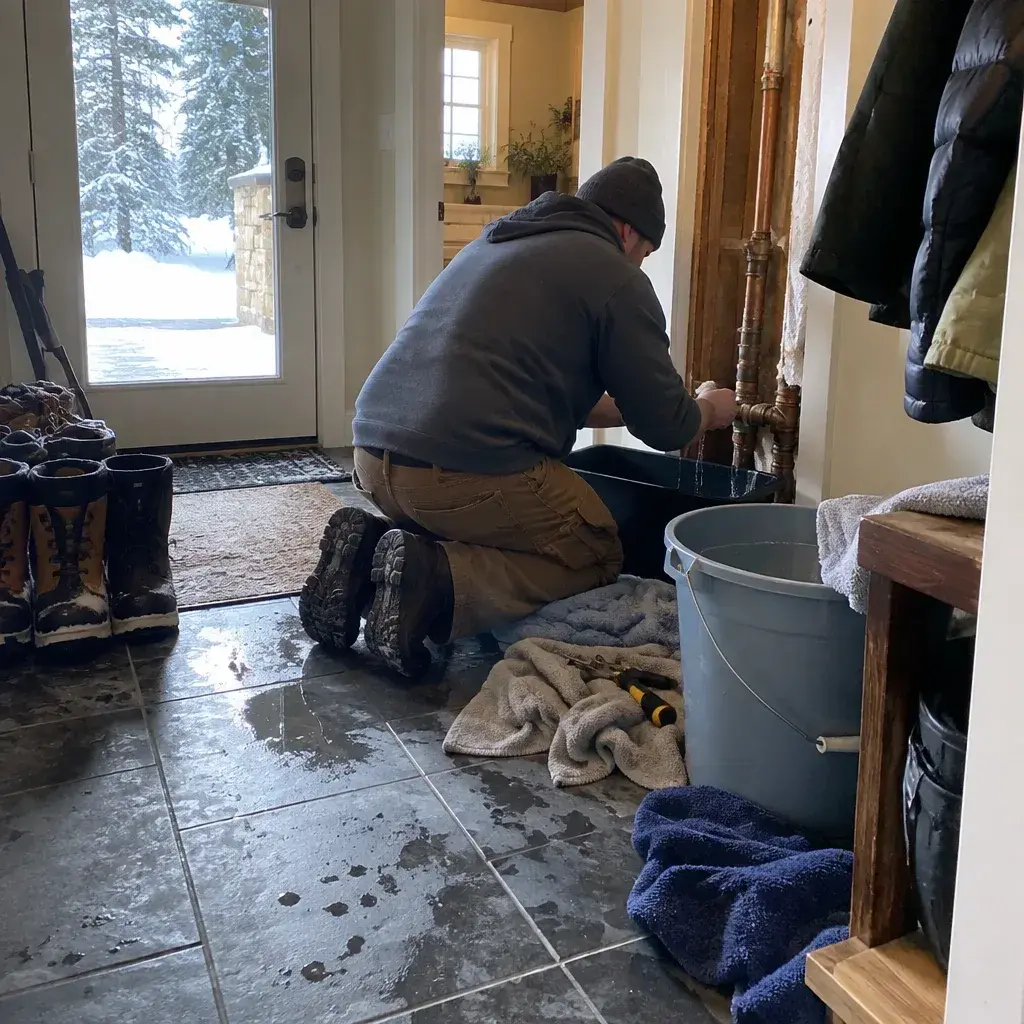
Cost Factors
Pipe location, access, material, damage, and replacement choices can all shape a burst pipe repair estimate. Learn what to ask about the quoted scope and related water damage work.
Read article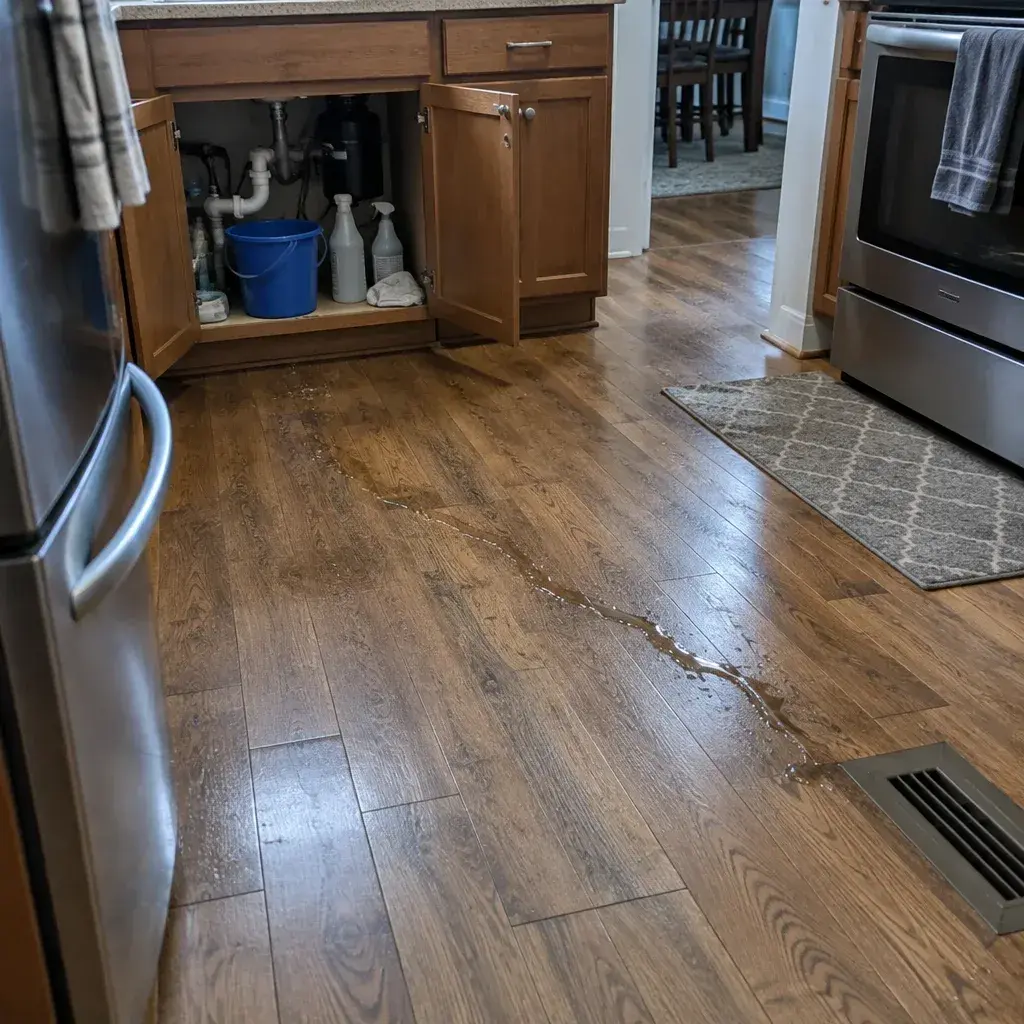
Trace the buried leak, confirm ownership, repair the line, then test it.
A buried water line can rupture without leaving a clear stream at the surface. You may see a patch of ground that stays wet, hear water moving when the house is quiet, or find that pressure has fallen throughout the home. Those clues can point to a leak underground, but they do not show where the break is or who owns that stretch of pipe. Place-specific pages serve the locations identified on the site; elsewhere, requests connect through the same referral.
The pros we connect you with use your observations and available service information to trace the likely route, then confirm which section is private before excavation is planned. Access, depth, surface materials, and the pipe’s condition affect both the work and its cost; a long route or paved access can add steps. Once exposed, the damaged span is matched with compatible pipe and fittings. A repair that is not checked before the trench is closed can leave a leak hidden underground.
Pipe type and fittings shape a lasting repair: Underground Water Line Burst Repair matches the existing line’s material and connections, then the pros we connect you with check for leaks before closing access.
For a household’s plumbing, open residential burst pipe repair; if you arrange repairs for tenants or staff, commercial burst pipe repair speaks to that responsibility.
A patch of saturated soil that remains after nearby ground dries can point to water escaping underground. Note its size and position, especially if the damp area follows the likely path from the service entry toward the street. Surface water may appear some distance from the rupture, so the wettest spot does not prove the break is directly below it. A plumber compares the ground conditions with meter activity and the known or suspected line route.
When showers, faucets, and other fixtures all deliver less water at once, the trouble may lie upstream of the individual taps. A buried supply leak is one possible cause; a change affecting only one fixture points elsewhere. Note which parts of the home are affected and whether the change was sudden or gradual. That account helps the plumber compare a household-wide pressure problem with meter activity and outdoor signs before choosing where to investigate.
If it is safe, close the private supply, then note meter activity and where ground looks wet or settled; those observations give the search a starting point.
Trace the probable route using service information and site clues, then confirm the suspected section is private before selecting an excavation area.
Remove the failed span and join sound pipe with compatible parts; then test the repaired line under pressure before closing the excavation.
Restore water and check the repaired pipe under pressure before backfill; arrange separately for any needed surface restoration.
A buried pipe can run beneath lawn, paving, planting, or a shared access path, and the visible wet area may not sit directly above the rupture. Finding the likely break before excavation helps target the opening and informs what surface work may follow. After the line is repaired and checked, trench backfill and restoration of disturbed paving or landscaping may need coordination beyond the plumbing work.
Underground water line burst repair starts with locating the damaged section and confirming who is responsible for it. The dividing point may depend on local rules and the line’s location, such as near the meter or property boundary. Check with your water utility before arranging excavation. The pros we connect you with can review the damage and explain repair options for the section you are responsible for. Keep people clear of soft, waterlogged ground while you sort out next steps.
Once the private route is established, the plumber weighs the suspected break location against obstacles such as paving, landscaping, and other buried features. That assessment helps define an access point and the likely excavation scope before ground is opened. After the line is repaired and checked, ask how the trench will be filled and whether restoring a walkway, lawn, or paved surface is part of the plumbing work. Surface restoration may need separate coordination.
For the United States, use Underground Water Line Burst Repair figures as a planning range, then ask the provider to confirm its visit fee and document repair boundaries before authorizing work.
| Damage extent | Pipe material | Repair approach |
|---|---|---|
| Minor seep | Water stains near a pipe can point to a hidden leak behind nearby surfaces. | an estimated $600–$3,500 |
| Single-point fix | Small pipe fracture repaired with the surrounding line assessed | an estimated $690–$4,550 |
| Pipe-section renewal | Pressurized repair checked for seepage before normal flow resumes | an estimated $600–$3,500 |
| Concealed-line access | Wet-area tracing leads to pipe repair and a flow check | an estimated $1,440–$14,000 |
An upgraded component may add to the estimate, so ask what it is intended to address and whether it suits your repair. Check separately for drying or rebuilding charges. The full pricing guide can put those items in context as you weigh them against the plumbing work.
The plumber starts with your observations and meter activity while water use is stopped, then traces the likely route from available service information and site clues. After confirming the suspected section is private, they expose the damaged area and assess the pipe. They check whether the pipe around the exposed break also shows damage before choosing a repair. They restore water and test the line before the trench is closed.
A meter that keeps moving while household water use is stopped can indicate water is leaving the supply line. Persistent wet soil or a pressure change across the home can add evidence, especially when the damp area appears along the suspected route. None of these clues pinpoints the break by itself; the plumber compares them with service information and site conditions to narrow the search before excavation.
The estimate can change with the line’s depth, the length of pipe needing replacement, and how easily equipment can reach the area. Paving or landscaping that must be opened adds work, while pipe material and condition affect the parts and repair method. Ask whether the quoted scope includes locating, excavation, pipe repair, testing, and trench closure so you can see what is covered.
Use service records as a starting point, then ask the water provider to identify the boundary between utility infrastructure and the private supply. The suspected break’s position alone does not establish ownership. Confirming which side the repair would reach helps determine who should arrange the work before excavation is planned.
The schedule turns on how quickly the damaged stretch can be located, how deep it lies, and whether paving or other obstacles must be opened. Confirming ownership and arranging access can also affect when excavation begins. Once the pipe is exposed, its material and condition help determine the repair. Ask the plumber what findings could change the expected sequence or duration.
Plan around $600–$3,500 for this work for underground water line burst repair. The assessment focuses on the concealed break and the affected pipe section. The pros we connect you with confirm the price after assessment.
See how pipe material and access shape a repair and its final check.
Pipe location, access, material, damage, and replacement choices can all shape a burst pipe repair estimate. Learn what to ask about the quoted scope and related water damage work.
Read article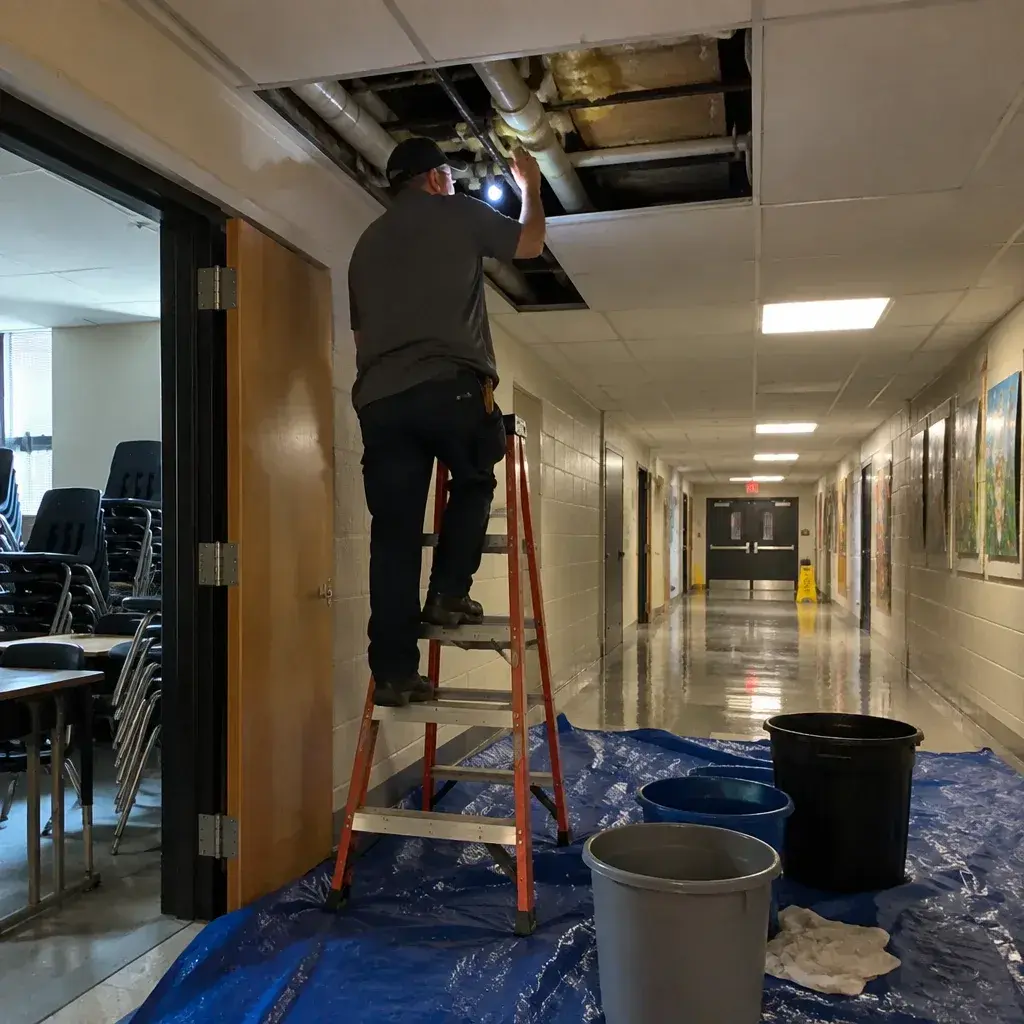
An after-hours call can add labor or dispatch charges to burst pipe repair. Learn what to ask, how to document the leak, and what to clarify before work begins.
Read article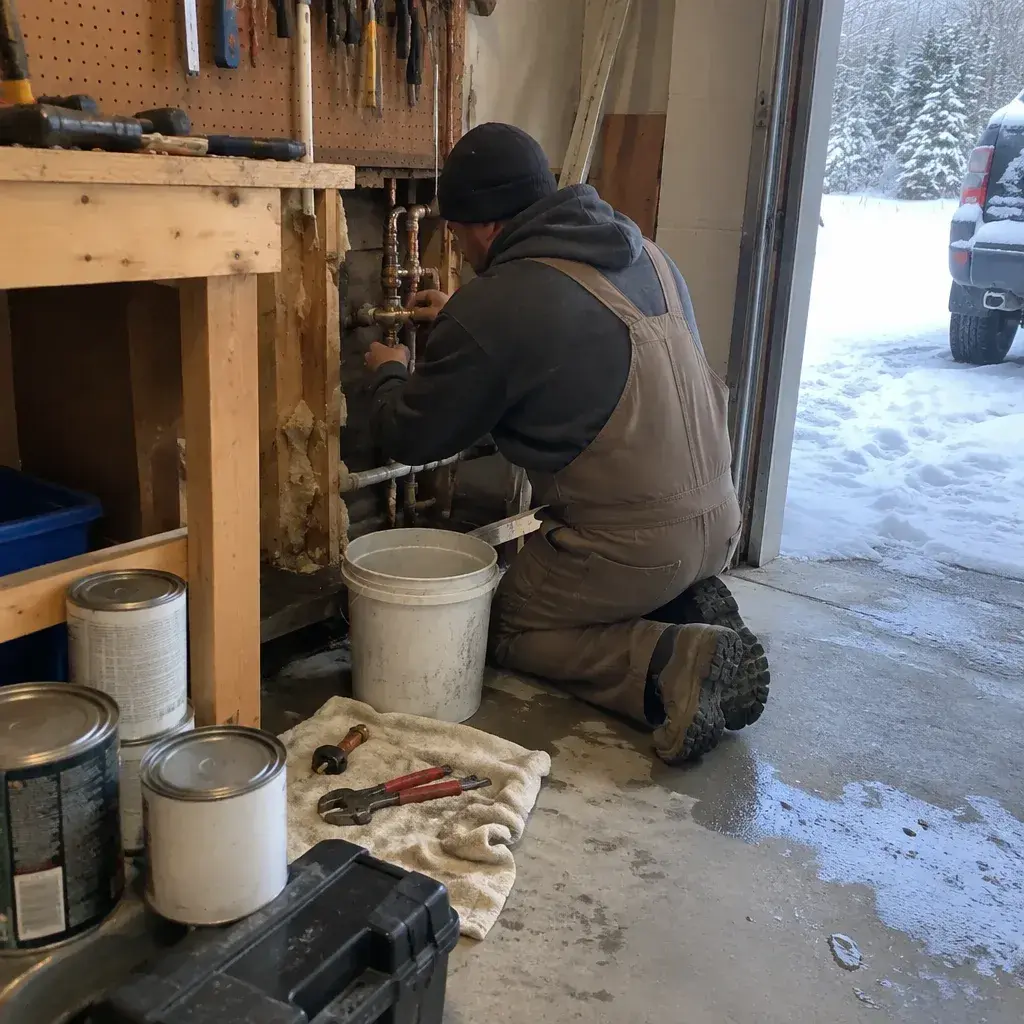
See what can make a burst pipe bill grow, how labor and materials fit into it, and what to check in an itemized estimate before approving the repair.
Read articleSome U.S. locations have a dedicated page with local information; inquiries from other places follow the same referral route through the pros we connect you with. Share the service address and describe the affected area so they can tell you whether a visit can be arranged there. Ask about scheduling, any inspection charge, and which plumbing work the written estimate includes. If a repair is proposed, ask what warranty applies, if any, and whether water removal or drying is outside that work.
Call (800) 215-5682