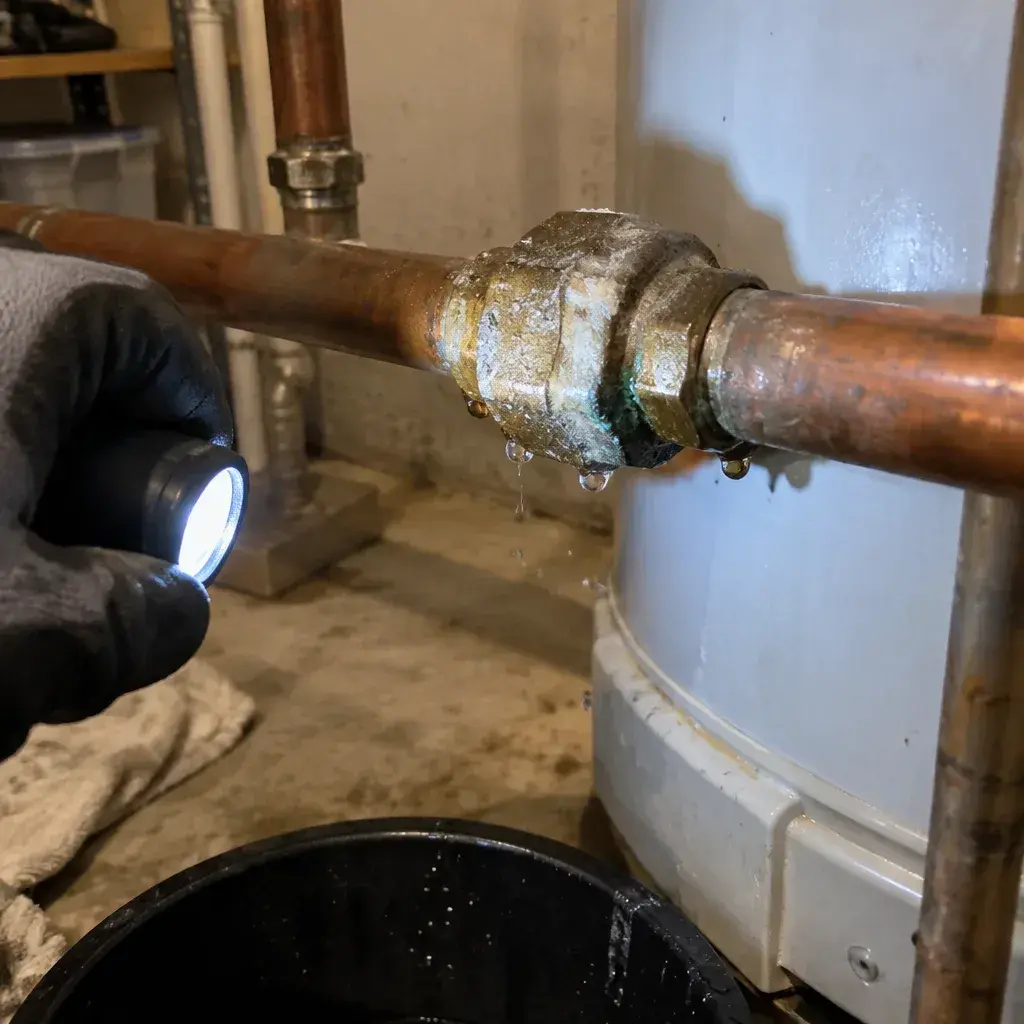
Conditions That Can Damage Pipe Walls
Hot-water supply leaks can be difficult to trace because the piping may be concealed from view. That affects how a plumber reaches and identifies a damaged run; the property’s actual piping, rather than a regional assumption, guides the repair.
Location pages describe the areas they name. Elsewhere in the listed coverage, requests connect through the same referral, and the pros we connect you with assess the building’s own hot-water route and access before choosing a repair.
Dedicated pages mark the service areas named on the site. State listings give a broad view of coverage, while dedicated pages focus on specific service areas.
Verifying the Repaired Line
- JET CLUE
- Hot spray may scald even when the surrounding floor feels cool; keep people well back from the leak.
- HEATER RUN
- A wet patch that grows while hot fixtures are idle suggests water may still be escaping between uses.
- WARM FLOOR
- Whether a valve can isolate the affected hot-water run depends on the building’s branch layout.
- IDLE LEAK
- The plumber checks the repair as pressure returns and confirms hot water reaches a fixture.
- HOT PRESSURE
- Pipe repair stops the leak; extracting water and drying or rebuilding wet areas are separate work.
- COVERAGE
- Hot-water pipes experience repeated temperature changes as the system heats and cools. Cold weather can also matter where plumbing runs through exposed or unheated spaces, but seasonal timing alone cannot identify why a line failed.
- DAMAGE EXTENT
- an estimated $275–$1,100
When Dampness Comes From Another Source
Water-heater leak. Water from either source can spread away from where it started before it becomes visible. The wet area’s location can help distinguish them, though water may travel before showing. Compare which fixtures changed and when: a hot-side problem affects hot-water delivery, while a drain issue tends to appear during or after water leaves a fixture. Do not touch the suspected pipe to judge its temperature; record the timing from a safe, dry place.
Matching Materials for a Sound Repair
The plumber compares the wet area with changes at hot fixtures and asks whether water continues to appear during idle periods. They trace the hot-water route, inspect the affected line and fittings, and determine what can be safely isolated. Access, pipe material, and the condition around the break can affect the work and its cost.
After isolating the affected supply, the plumber assesses the damaged area and prepares a compatible repair for the installed pipe. They restore pressure in a controlled manner, check the connection for leaks, and run hot water to confirm service. Any water removal or drying of building materials is separate work.
Cost turns on pipe material, access, and how much line is affected. An isolated rupture generally calls for a repair appointment, not continuing cover. Ongoing visits make sense only when the assessment identifies separate weak points or repeat failures; ask what each visit would address before agreeing to a plan.
ONE-TIME PIPE WORK BESIDE RECURRING CONDITION CHECKS
| Repair Method |
Repair Suitability |
|---|
| One damaged line, still in its early stage | Targeted pipe service |
| Supply line seeps again after prior repair | Water flow check |
| Pipe damage at multiple points in one line | Repair followed by a flow check |
Separate Pipe Repair From Water Recovery
Keep people away from hot spray, slippery flooring, and wet electrical areas. From a dry place, note which hot fixtures changed and whether water continues to appear when they are idle. Avoid using a fixture that seems to trigger more leaking until it has been checked. Leave pipe access and repair to the plumber.
When to Leave the Valve Alone
Treat escaping hot water as a burn and slip hazard. Keep people away from spray, wet floors, and heated surfaces; do not enter water near electrical equipment. If you can reach and operate the building shutoff without crossing the wet area, close it. Tell the plumber whether flow continues when no hot water is being used.
What Sets the Cost of Pipe Repair?
Your total depends on the failed pipe and how much of the repair area needs attention; ask the pros we connect you with to price the plumbing work.The guide amount reflects work on the damaged supply line and can shift with its position, access, and the section needing replacement. A concealed break may require opening a finished surface before the plumber can see the full repair. Water extraction, drying, and rebuilding fall outside $350–$1,300 and call for separate services.The full spread of charges, with common cost drivers, appears in pricing guide.