Office Burst Pipe Repair
Commercial Plumbing
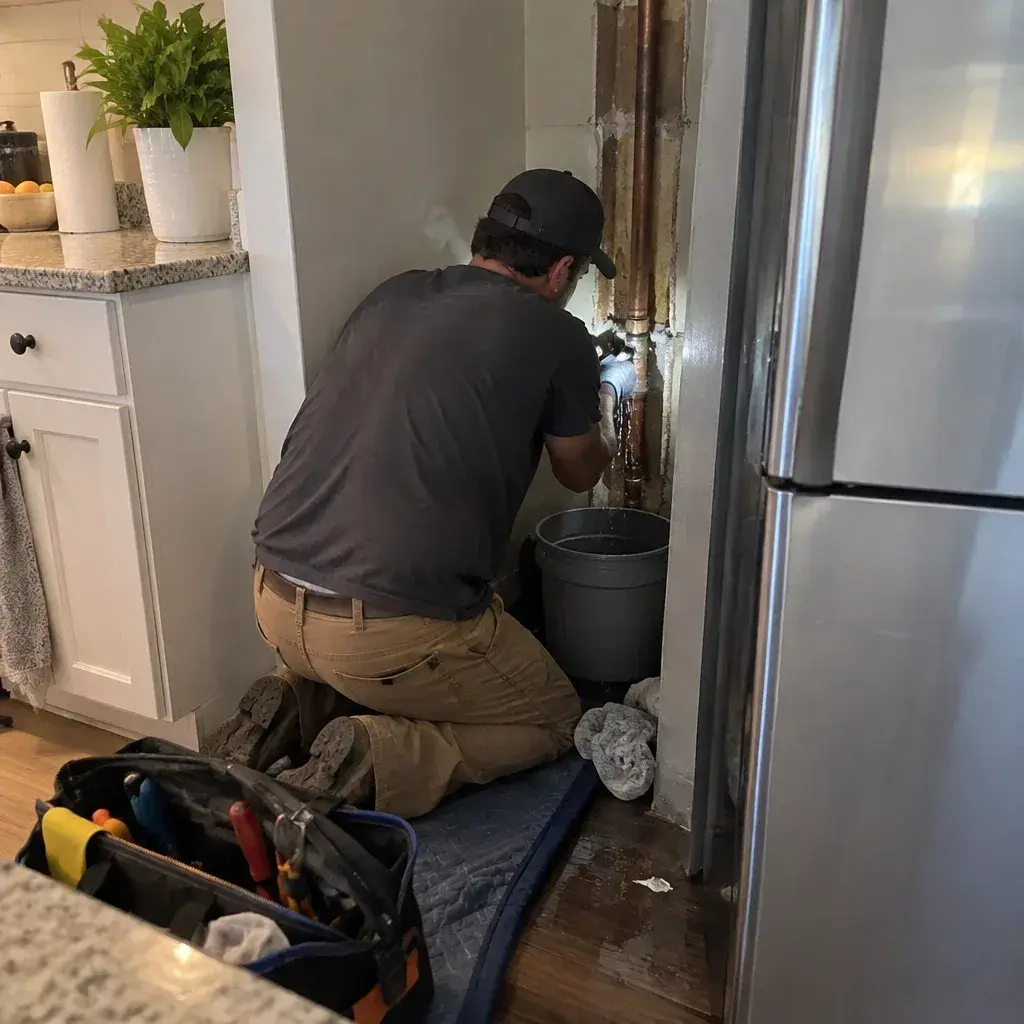
School burst pipe repair depends on controlled entry, clear work boundaries, and a shutoff plan that follows campus use.
The plumber coordinates campus entry and a safe work area with facilities staff, identifies which rooms depend on the damaged supply, and plans isolation around school activities. After locating the break, the plumber makes a compatible repair, checks the line, and records service restoration.
Emergency burst pipe repair costs at a school depend on where the line runs, what access it needs, and how much of the supply must be isolated. A sudden spray in a science room or a damp patch above a busy hallway can affect spaces beyond the visible leak. School burst pipe repair starts with coordinating entry and safe work areas, then planning water isolation with facilities staff around occupied rooms. The plumber locates the break, makes a compatible repair, and checks the line before staff coordinate the return to normal use.
A plumber needs a workable route from the school entrance to the affected area. Tell the pros we connect you with how visitors check in, who can escort them, and which doors or rooms require staff approval. A loading entrance may be useful for tools, while a corridor beside classrooms may need to stay clear during passing periods. Sharing these details early helps the school and plumber agree on access without sending students through the work area.
A sharp hiss, spray, or spreading wet patch can be the first sign of a pressurized line failure. Water may show up in a different room from the break, such as a ceiling below an upper-floor restroom or a wall beside a science room. Keep people away from wet areas where electrical equipment may pose a hazard. The plumber uses the signs and the building’s supply layout to narrow the search before repair access is decided.
Before isolating water, establish which spaces and equipment depend on that supply. A branch may serve one staff restroom, while another line may feed sinks across a teaching wing or a campus kitchen. Facilities staff can check plans, valve labels, and recent maintenance notes with the plumber to understand the likely reach of the interruption. That picture helps the school choose an isolation approach that limits the number of occupied areas affected.
The safest shutoff window depends on the rooms served and the day’s schedule. Compare the affected fixtures with class changes, meal service, exams, events, and any planned building use, then tell staff which services may be interrupted. If water continues to escape, the plumber and facilities contact may need to isolate the supply sooner to limit further flow. Operate a valve only when it can be reached safely, away from electrical hazards and standing water.
| Planning stage | Campus coordination | Service effect |
|---|---|---|
| Visitor processing | Use check-in and escort instructions | Facilities contact confirms entry route |
| Student boundaries | Keep class changes outside repair area | Barriers and alternate circulation path |
| Supply dependencies | Mark rooms served by affected branch | Fixture list or verified building plan |
| Instructional windows | Choose a service break with operations staff | Lessons, meals, labs, and events considered |
| Service updates | Tell occupants which fixtures will be unavailable | Recipients, channel, and restoration notice |
| Hidden pipe access | Approve an opening if tracing requires it | Proposed location and surface follow-up |
| Service closeout | Confirm flow and record repair findings | Isolation and return times; work summary |
| Before shutoff | Alert room leads to planned water interruptions | Identify affected sinks, restrooms, and labs |
Once the supply is controlled, the plumber examines the exposed line and nearby connections to choose a repair that suits the installed system. Copper, PEX, CPVC, and other approved materials require fittings and methods compatible with the pipe. The condition around the split matters too: damage at a joint or along a worn section can call for different parts. The school contact can help identify past repairs or records that clarify what is behind a labeled access panel.
A ceiling stain or damp wall can point away from the actual break because water may travel inside a building before appearing. If the line is concealed, agree on the proposed access area with facilities staff before opening a finish. They can flag rooms in use, sensitive equipment, and routes that should remain open. The plumber can then locate the damaged section while the school coordinates which nearby spaces need temporary limits on entry.
With the damaged area reachable, the plumber decides whether a compatible fitting can address the failure or whether to replace a section of pipe. The replacement material and connections need to match the existing line, and the repair method must suit that system. After the work, the plumber checks the line under water pressure for leakage and confirms flow has returned. Plumbing repair covers the supply line; water removal, drying, and rebuilding may call for separate providers.
During an interruption, staff need a reliable way to learn which rooms have lost water and whether the affected area has changed. Choose a facilities contact to receive updates from the plumber and share them with school leadership, custodial staff, and the people managing room use. A concise notice can name the affected fixtures and the agreed route around the work. This keeps separate teams from relying on conflicting hallway reports.
Set a clear work boundary with the plumber around the pipe, tools, and path needed to reach it. School staff can point out doors used for arrival, accessible routes, active classrooms, and places where students gather between activities. If work sits beside a busy corridor, the school can direct foot traffic through another route while keeping the plumber’s access clear. The boundary should reflect the actual work area and be adjusted if the repair requires a different approach.
Before water service resumes, coordinate with the facilities contact so affected rooms are ready for the change. The plumber checks the repaired line for leaks under pressure, confirms water flow, and reports any fixture or supply concern that remains. Staff can then verify which spaces have service back and pass on any issue that needs attention. A clear handoff matters when the person overseeing the work is not the same person reopening the building area.
Record the building and room, the supply or fixtures affected, the repair performed, and the water-service status after the work. Add the plumber’s findings about the repaired line and note any follow-up task or area that remains restricted. A useful record lets the next facilities contact understand what changed without retracing the incident from staff recollections. Keep the entry with the school’s maintenance information so it can guide future work on that part of the system.
When you contact an independent local plumbing pro, describe what staff have observed, which building and rooms may be affected, and how visitors enter the campus. Explain escort or check-in procedures and share the school schedule, including periods when rooms or corridors are especially busy. Those details help the pro plan a route to the work area and discuss when water service may need to change. The licensed pros we connect you with can discuss whether the symptoms suggest an issue with a fixture, drain, or supply line.
Before contacting an independent local plumbing pro, decide who can approve entry, coordinate the shutoff, and receive the repair findings. Ask which spaces the plumber expects to access, what school staff should communicate during the interruption, and what details will be recorded after service returns. Those answers help you plan around students and staff while keeping facilities records useful. The affected area, building access procedures, and school schedule are the key details to share.
A repair plan has to account for what the affected supply serves, not just where water first appeared. A valve change may interrupt sinks used by a class, fixtures serving a cafeteria, or water in nearby rooms. Facilities staff can help identify those dependencies and decide who needs notice if service changes. After work, record the areas affected, the isolation and restoration status, and the plumbing work performed. Burst Pipe Repair addresses the water line; removing water, drying materials, and restoring damaged finishes may require separate providers.
Dedicated place pages provide local Burst Pipe Repair information; beyond those locations, the same referral can connect you with pros to discuss service reach, includingAnchorage AK, JBER AK and Chugiak AK. When comparing appointment options, check if the quoted visit fee includes the trip or if mileage is added afterward.
Stopping the leak can help limit water damage to nearby equipment and materials. Access to concealed piping and matching replacement parts to the installed system also shape the work.Commercial estimates can change when a larger supply line needs fittings suited to its system or when access affects the repair. When calling, share the pipe material, size, and connection type if known, where the line can be reached, and which area lost water. Ask whether locating the break is included.Use pricing guide to compare factors that shape a commercial repair estimate; commercial overview describes the assessment before work starts.
Commercial Plumbing
Hotel Plumbing Coordination
Kitchen Pipe Repair
Tell the plumbing pro which building and room are involved, what staff have seen, and how to enter campus. Share visitor check-in and escort requirements, then identify a facilities contact who can arrange access and communicate schedule changes. Mention nearby occupied rooms and any known limits on work areas. This lets the pro plan arrival and discuss a suitable route without sending anyone through restricted spaces unannounced.
Facilities staff and the plumber can identify which rooms and fixtures depend on the affected supply, then discuss when those spaces are occupied. If isolation is safe and practical, staff can coordinate a service change around classes or other activities and tell affected users what to expect. Keep people clear of wet areas with electrical hazards; operate a shutoff only if it is safe to reach and use.
Keep a facilities record of the building and rooms involved, the staff contact coordinating entry, and any areas affected by a service interruption. Note when water was isolated and restored, what plumbing work the pro completed, and whether the repaired line was checked. Record any follow-up for drying or damaged finishes separately, since that work may involve another provider.
Once the break is located, the plumber considers the pipe’s material, size, condition, and connection, along with how the damaged area can be reached. The repair may use a compatible fitting or replace the affected section with suitable pipe and fittings. Before the area is closed, the plumber checks the repair under pressure for leaks and confirms that water flows.
School-specific market pages provide local details where published; elsewhere, the same referral applies. Discuss the affected supply, entry rules, and campus schedule with the pros we connect you with.
Call (800) 215-5682