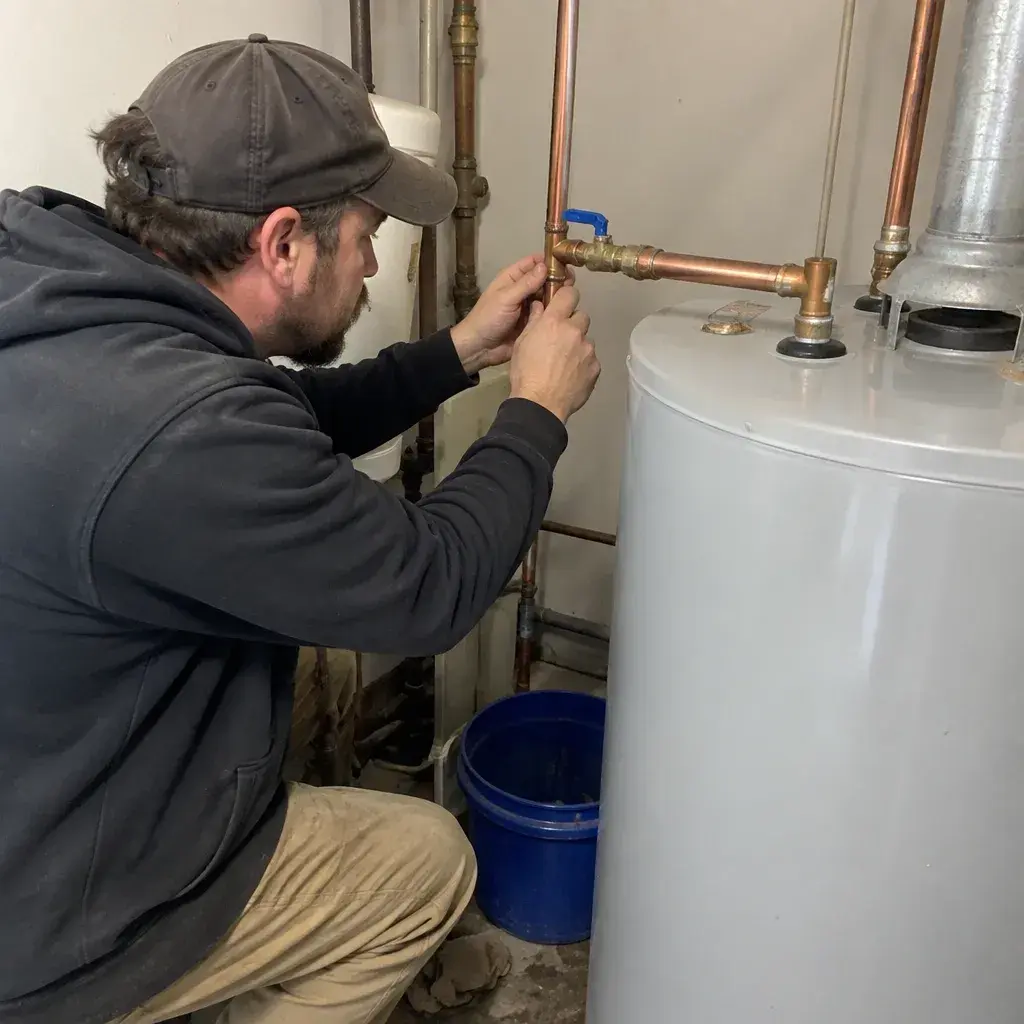
Factors Behind Sudden Pipe Breaks
Across the United States, concealed routes and support layouts vary with building design, so installation flaws may stay out of sight until a leak exposes them. A joint under strain may fail even while the pipe route remains concealed.
The licensed pros we connect you with can review how the damaged section relates to the rest of the plumbing system. In a house or business, a line may be exposed in a utility area or concealed behind a finished surface, shaping how a plumber can inspect an installation problem.
The referral network is the connection to the licensed pros who may be able to help with a request. If your location falls outside a page’s named area, you can still use the shared referral; the service location helps determine which pros may reach you.
Finding the Damaged Pipe
- Joint Finish
- An uneven gap where a fitting meets the pipe can help direct attention to how that connection was assembled.
- Support Fit
- A pipe resting against framing may have little clearance, which can limit inspection near the damaged area.
- Material Match
- A bracket that no longer meets its mounting surface leaves that point without the hold the line was intended to have.
- Earlier Work
- The replacement connection needs to suit the line’s material, dimensions, and joining method.
- Leak Check
- Before access is closed, the plumber checks the repaired area while water is flowing through the line.
- BREAK LOCATION
- Temperature changes can make an already weak connection more noticeable as pipe materials expand or contract. A leak appearing during a cold snap or warm spell does not establish poor installation; the plumber checks the joint and supports for evidence.
- PIPE TYPE
- an estimated $275–$1,100
Distinguishing a Pipe Break From Fixture Leaks
Fixture leak. Both can leave water on a floor or cabinet, but a fixture leak starts at a faucet, toilet, or appliance connection rather than a poorly installed pipe joint or support. A pinhole leak begins through the pipe wall, often away from a connection. An installation-related failure is more suggestive when the first moisture appears beside a joint, fitting, or poorly supported stretch. A joint can also fail from wear, so its location alone does not establish that installation caused the leak.
Accessing Pipe Within Finished Spaces
The plumber locates the break and checks the nearby fittings, pipe alignment, mounting points, and clearance from framing. They compare visible clues with the surrounding installation to identify whether the joint or support arrangement contributed. When the line is concealed, locating the damaged area may require access to the space around it.
After identifying the installation problem, the plumber removes damaged or unsuitable components and fits compatible pipe and connections. They correct the relevant alignment or support issue, then restore water and check the repaired area for leaks before closing access. The work and materials depend on the existing line and what can be reached.
The cost depends partly on whether compatible pipe and fittings are clear once the break is exposed. $350–$1,300 A contained repair can often be completed in one visit. If inspection identifies another suspect section, ask for its location and condition before agreeing to continuing work.
ADDRESSING A PRESENT BREAK OR SCHEDULING SYSTEM ATTENTION
| Repair Method |
Repair Suitability |
|---|
| A fresh leak, caught before it spreads | Damage-based estimate |
| Previously mended pipe starts leaking again | Pressure leak test |
| Breaks separated along the same pipe run | Water line mended; outlet flow observed |
Share What You Know About the Leak
From a dry, accessible spot, identify the pipe material and look for a visibly skewed joint, a hanging span, or an existing repair. If the water valve is straightforward to reach, close it. Do not loosen a fitting, move a support, or reopen the line to test it; leave diagnosis and correction of the installation to the plumber.
Pressure Checks Before Water Returns
A poorly fitted joint or unsupported pipe can split when water pressure rises, soaking walls or floors and creating a risk near electrical outlets. If you find active leaking, shut off the home’s main water valve if you can do so safely, and keep clear of wet electrical areas. The pros we connect you with can inspect the damaged section and replace it.
Can Hidden Pipe Access Affect the Bill?
If water has spread beyond the line, ask the pros we connect you with whether their estimate covers plumbing alone or also drying and rebuilding.The guide amount reflects work on the damaged supply line and can shift with its position, access, and the section needing replacement. A concealed break may require opening a finished surface before the plumber can see the full repair. Water extraction, drying, and rebuilding fall outside $350–$1,300 and call for separate services.Use Burst Pipe Section Replacement to see which repair applies, and pricing guide to compare the complete range of charges.