Availability varies — call to confirm. · (800) 215-5682
Recurring Pipe Burst Repair in the United States
Repeat Leak Inspection

Inspecting Recurring Pipe Leaks Across the U.S.

Cold snaps can freeze water in exposed or unheated supply piping, while thawing may reveal a leak later. Record the weather timing and affected areas; seasonal clues help frame the inspection but do not identify the cause by themselves.

RESTORATION SCOPE

For recurring supply leaks, a plumber compares failure dates and locations with earlier repair records, then inspects accessible pipe, joints, and supports. Pressure readings and movement observations can help assess a shared pattern and whether the concern reaches beyond one section.

SERVICE COVERAGE

Finding the Damaged Pipe Section

For many households, an odd plumbing clue is enough to start asking who can assess the line.

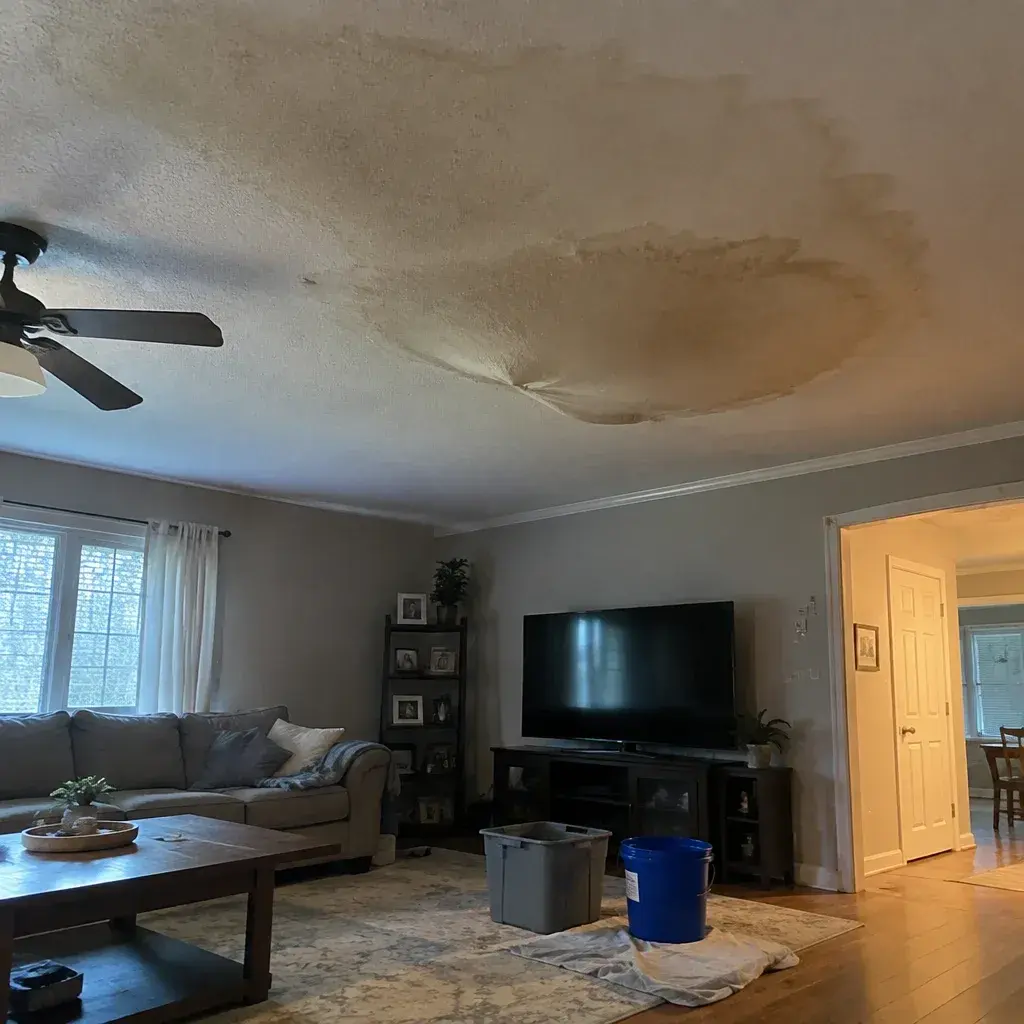
Fresh ceiling drip returns above an earlier repair

When a repaired area becomes wet again, the earlier work may not have addressed the full affected route, or another nearby section may now be leaking. Record when the moisture returned and keep the repair paperwork. Avoid opening the surface; a plumber can compare the new location with the earlier work.

Several taps weaken after one line starts leaking

If only one fixture has reduced flow, its branch may be involved; several affected fixtures can point to a shared section. Mark each area on a simple floor plan and note when it appeared. That map gives the plumber a way to compare the locations against the pipe route.

A damp mark reappears after the room dries

A damp patch that dries and returns suggests water may still be reaching the area intermittently or continuously. Note whether it grows and what fixtures were being used when it reappeared. If water is flowing, keep away from electrical hazards and contact a plumber.

New stains appear along the same plumbing route

A spreading stain without an exposed split can still come from a concealed supply pipe. Photograph its outline over time and note nearby water use rather than cutting into the wall or ceiling. Moisture trapped behind a finish can damage the surface before the leak is visible.

Leak spots surface in different rooms on separate days

A new leak after a cold snap makes the timing useful, especially if piping runs through an exposed or unheated area. Weather alone cannot locate the break or confirm the cause. Record when the leak began and which rooms or pipe areas were affected.

Stress on Water Lines Inside Buildings

Location pages cover areas including Central Harlem and Morningside Heights, Old City and Society Hill, and the Central Business and Warehouse District. Other places connect through the same referral, so the address determines which local page applies.

The licensed pros we connect you with can explain ways to limit water use while a concealed leak is being assessed. The pros we connect you with need the leak locations and timing to assess the specific route.

Requests are grouped by the city and county tied to a service area. A location page lets visitors start with the service area that matches their request.

What a Pressurized Pipe Break Means

TIMING PATTERN
A floor plan marked with wet areas lets the plumber compare reported spots against the home’s supply route.
WET AREAS
Dates beside each failure show whether leaks emerged together or at separate points in the household’s history.
FIXTURE FLOW
Operating-pressure readings add a measured condition to the plumber’s review of recurring failures.
PIPE ROUTE
Movement observed during water use can help identify which accessible sections need closer assessment.
PRIOR WORK
Prior invoices can show which areas were repaired and what materials were involved before another leak appeared.
BREAK LOCATION
Cold snaps can freeze water in exposed or unheated supply piping, while thawing may reveal a leak later. Record the weather timing and affected areas; seasonal clues help frame the inspection but do not identify the cause by themselves.
SITE ACCESS
an estimated $125–$500

How Pipe Type Guides a Suitable Repair

Drain leak. A drain carries used water away from a fixture, while the supply line brings water in. Either can wet a cabinet or wall, so the plumber checks the pipe route and when moisture appears. A plumber can check whether the damp area follows incoming supply piping or a drain route leaving a fixture. The visible route and whether moisture changes with supply use or draining help distinguish the two; a surface stain alone cannot settle it.

Containing Water Before Assessment

The plumber compares your timeline, photos, and repair records, then maps the reported wet areas against accessible supply piping. They inspect pipe, joints, and supports, observe movement during water use, and take operating-pressure readings to look for a pattern across the failures.

An inspection can help distinguish an active leak from moisture left behind after an earlier problem. The plumber explains the evidence and any access needed for concealed sections; repair or replacement choices depend on the pipe material, condition, and extent of the problem.

The leak check helps determine whether the repair itself is holding before further work is considered. $350–$1,300 One visit can settle an isolated, reachable split if the repair holds under a leak check. Plan further work only if inspection finds additional damaged pipe that needs attention.

TARGETED PLUMBING ACCESS ALONGSIDE REGULAR CONDITION TRACKING
Leak Check Repair Method
One damaged line, still in its early stageTargeted pipe service
Supply line seeps again after prior repairWater flow check
Pipe damage at multiple points in one lineRepair followed by a flow check

Keep the Work Area Clear for Inspection

From a dry, safe location, organize old invoices, dated photos, and a simple map of the affected rooms. You can note when moisture appeared and which fixtures were in use. Avoid using fixtures that may share the affected supply line until a plumber can assess it.

Tracing Water to the Broken Line

Water reappearing at separate repair spots, or a new leak soon after one is patched, can signal a shared supply-line problem. Keep dated notes of each location, photos, and what work was done; that comparison helps the plumber trace a pattern instead of treating each wet spot alone. Ask them to inspect the connected line and its condition before deciding whether repeated repairs will hold.

Can Hidden Pipe Access Affect the Bill?

If water has spread beyond the line, ask the pros we connect you with whether their estimate covers plumbing alone or also drying and rebuilding.The guide amount reflects work on the damaged supply line and can shift with its position, access, and the section needing replacement. A concealed break may require opening a finished surface before the plumber can see the full repair. Water extraction, drying, and rebuilding fall outside $350–$1,300 and call for separate services.Review the full price bands in pricing guide; Burst Pipe Location identifies the repair page matched to the work.
WATER LOSS EXPLAINED

Recognizing a Pressurized Line Break

Helpful Answers

Common Questions

Why does a pipe leak again after it was repaired?

A leak returning at one spot can point to a nearby section that was not included in earlier work; failures in separate rooms may involve different branches or a shared route. Give the plumber dates, room locations, photos, and prior invoices or repair notes. Comparing those records with accessible pipe condition, operating pressure, and movement during water use can help narrow where a common cause may lie.

Can a leak show up far from the broken supply pipe?

Yes. A supply line can leak while it remains pressurized, even when nearby fixtures are not running. Note each affected room and where moisture first appeared. A plumber can compare those points with the supply pipe route and inspect accessible sections to see whether the reports may connect.

What checks help find a shared cause for repeat leaks?

A plumber can review the sequence of failures, inspect accessible pipe and joints, and take pressure readings while considering the line’s condition. They may check for movement or inadequate support as water runs, then compare those observations across affected sections. No single reading or visible defect explains every recurring leak, so the repair history and locations matter too.

When should a plumber review more than one pipe section?

A broader review may be appropriate when leaks appear on separate branches, earlier repairs are followed by failures nearby, or accessible piping shows problems beyond one section. The plumber can weigh the line’s material, condition, route, and access against the history you provide. That assessment helps define whether the next step concerns one area or a larger part of the supply system.

Help for a Broken Water Pipe

Recurring Pipe Burst Repair in your home?

Note when the ceiling mark appeared and whether it changes while the leak is being assessed. Have the visit charge confirmed before setting a time, then request the findings and proposed repair in writing, including any access work.

Call (800) 215-5682
Ask which payment methods are accepted before the licensed pros we connect you with arrive.
Call (800) 215-5682 Schedule Online