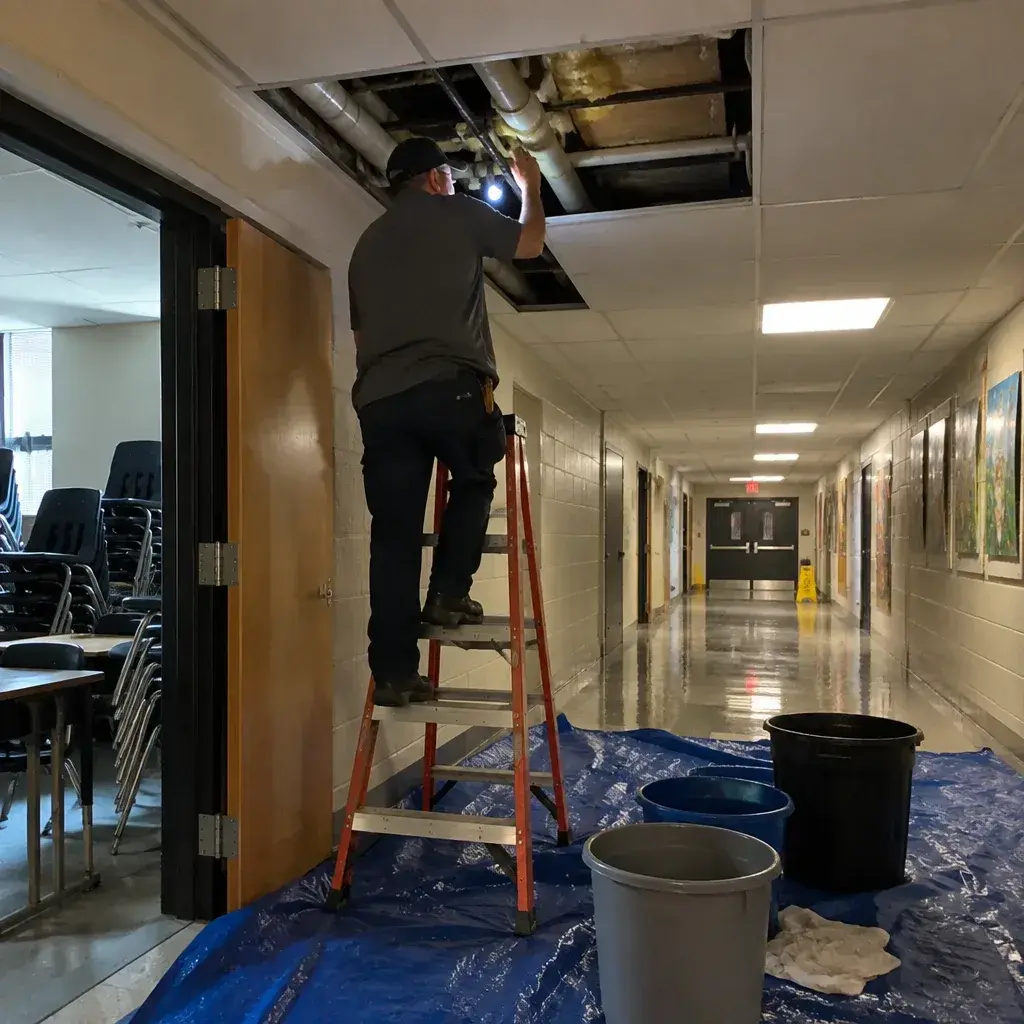
After-Hours Cost
An after-hours call can add labor or dispatch charges to burst pipe repair. Learn what to ask, how to document the leak, and what to clarify before work begins.
Read article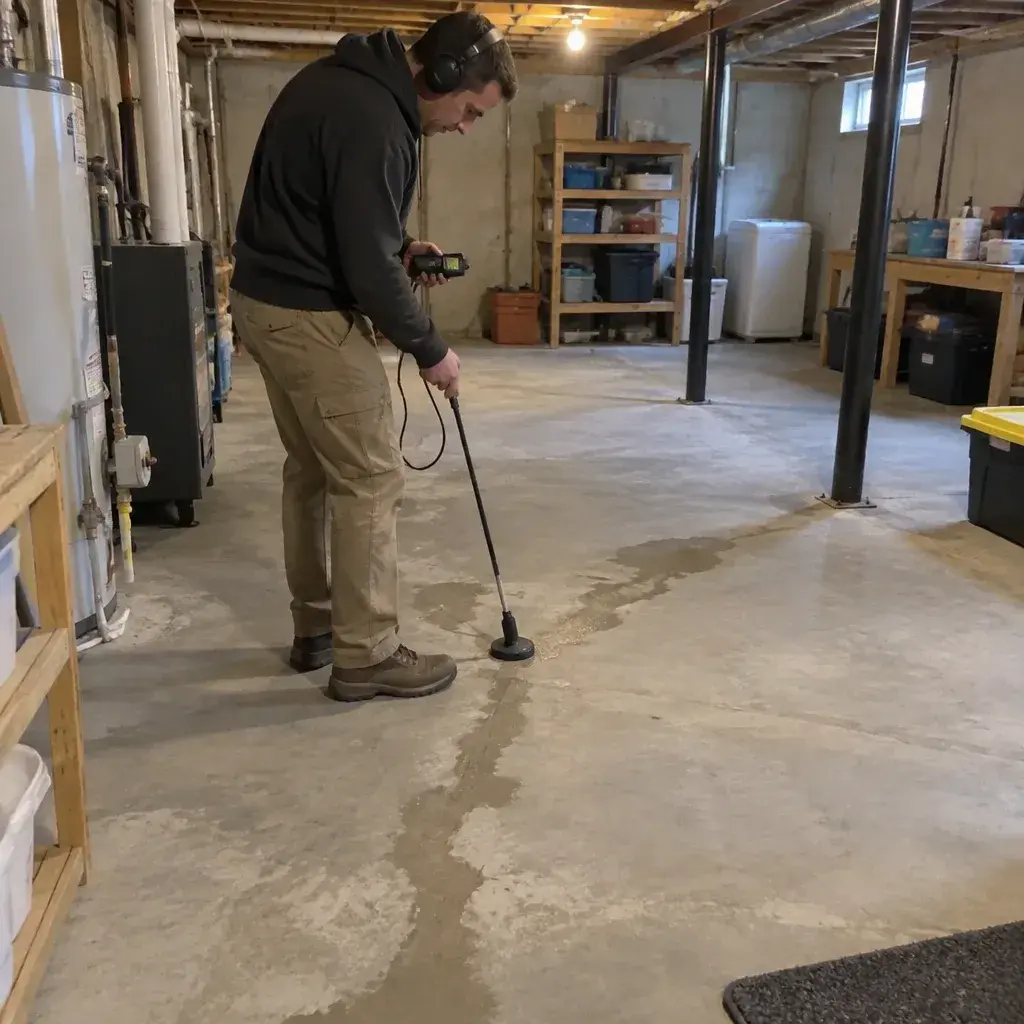
Trace the leak, plan the slab opening, and confirm the repaired line holds. Call now to reach a local licensed pro.
Under slab burst pipe repair starts with finding the break, because a warm strip, damp grout, or water sound near the floor may not sit directly over it. Don't wait: water running under concrete keeps spreading.
The licensed pros we connect you with trace the leak, plan the smallest practical opening, and test the line afterward. Call (800) 215-5682 to get started.
If the water meter keeps moving while every fixture is idle, water may be leaking somewhere in the supply system. An appliance or another pipe can cause this too, so a plumber needs to confirm it.
A warm patch or lasting moisture on the floor can point to a failed pressurized line below. The wettest spot isn't always the break, since water can follow joints and gaps before it surfaces.
A change in hot water delivery or water pressure can help show which supply line is affected. Tell the plumber which fixtures changed and when you first noticed it.
Grout that darkens again, a lifted floor edge, or moisture at a wall can mean water is traveling under the slab. Photograph each spot and note when it returns after drying.
The plumber notes where and when moisture appears, then compares it with meter behavior, fixture changes, and accessible supply connections.
Listening or other detection tools narrow the suspected area, so access is planned around the evidence and your floor finish.
Before concrete is opened, the plumber explains the access point, likely disruption, repair scope, and any permit or inspection questions.
The damaged section is repaired, then checked under water pressure to confirm the supply reaches the affected fixtures.
A slab hides the pipe route and the break, so guessing from a surface mark can mean opening the wrong spot. Careful tracing limits cutting, which matters most under finished floors.
Before concrete is cut, ask the plumber whether the work needs a local permit or inspection, and who will check. Requirements depend on the jurisdiction and the scope, and an inspection could affect the schedule. The repair should include a pressure check before the opening is closed, with the result explained to you.
Ask which flooring or finishes may be disturbed and whether patching is part of the plumbing scope. Settle this before work begins so you understand the full plan.
Treat Under-Slab Burst Pipe Repair numbers in the United States as a guide; ask what the service visit will cost and request written repair details from the provider first.
| Wall opening | Cleanup needs | Cost drivers |
|---|---|---|
| Narrow split | Accessible supply-line rupture traced, repaired, and checked after reconnection | an estimated $650–$4,200 |
| Focused pipe repair | Worn supply segment exchanged for a compatible length and fittings | an estimated $745–$5,460 |
| System-span renewal | Local leak addressed with a compatible fitting on intact pipe | an estimated $650–$4,200 |
| Difficult pipe access | Supply break located, repaired, and checked at the affected connection | an estimated $1,560–$16,800 |
Choosing a more durable component can raise the plumbing total, while water removal and restoring affected rooms may be billed separately. Before accepting added services, use the full pricing guide to see how those decisions shape the estimate and what the quoted repair includes.
A moving water meter with fixtures off, a warm floor patch, damp grout, or water sound near the floor can all point to a break below. Because water can surface away from the break, the visible mark alone isn't enough to choose an opening. Tell the plumber which room shows changes and when you first saw them.
Often a plumber can narrow the likely area before cutting, but surface marks alone don't pinpoint the break. Listening equipment and other detection methods add evidence alongside the pipe layout and the shape of the wet areas. These checks focus the search and may not always locate the break without further assessment.
Water can travel under the concrete before it surfaces at a joint, wall, or low point. That puts the visible dampness away from the failed line. Treat the surface mark as a clue to investigate, not a map of the break.
Concrete is opened once the plumber has narrowed the likely area and needs to reach the damaged line. The failed section is then repaired with compatible parts. Ask what testing and floor restoration are included in the proposed scope.
The plumbing scope covers the line repair and its check, while drying and rebuilding may involve separate providers. Ask what will be removed and who will close or finish the opening. Confirm those responsibilities before the repair starts.
Use $650–$4,200 for this work as the estimate for under-slab burst pipe repair. The assessment identifies which part of the pipe is damaged before the repair plan is set.
Separate pipe repair from the cleanup that may follow a leak.
An after-hours call can add labor or dispatch charges to burst pipe repair. Learn what to ask, how to document the leak, and what to clarify before work begins.
Read article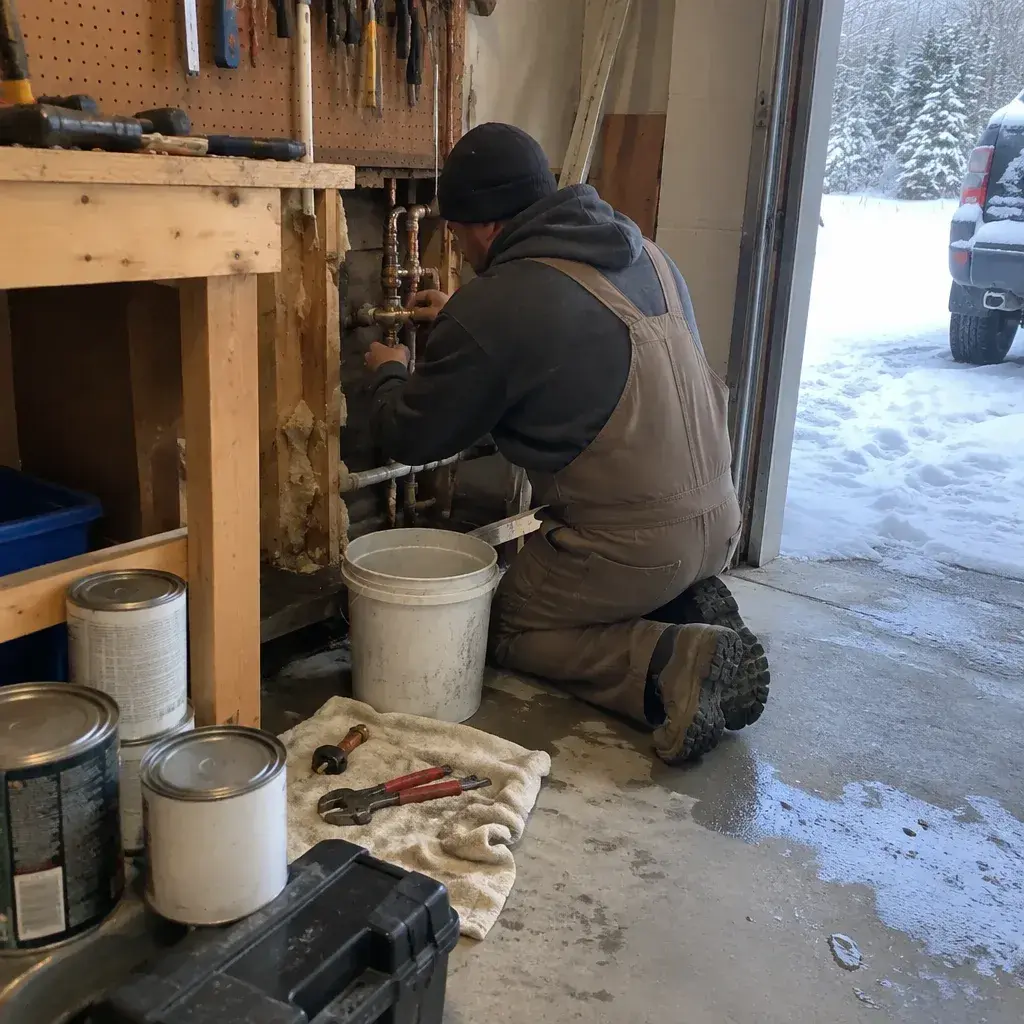
See what can make a burst pipe bill grow, how labor and materials fit into it, and what to check in an itemized estimate before approving the repair.
Read article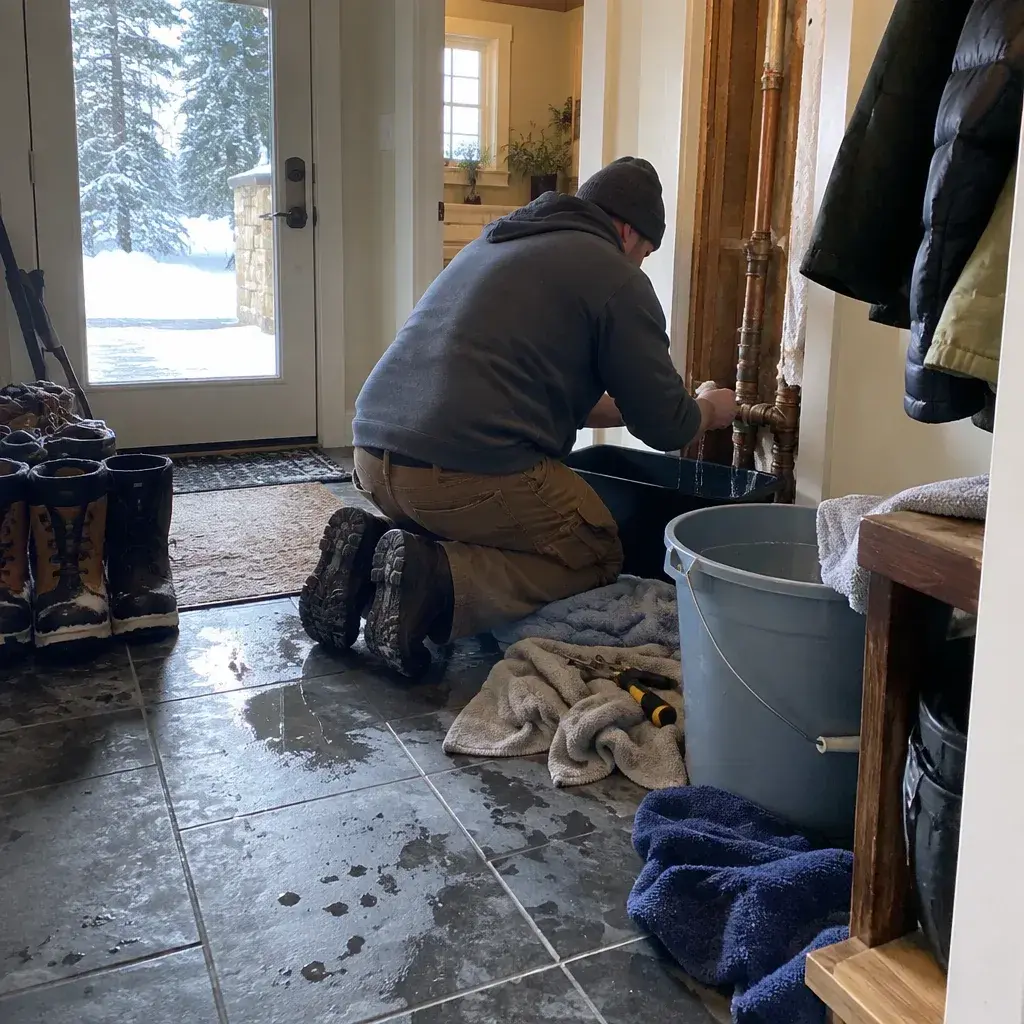
Pipe location, access, material, damage, and replacement choices can all shape a burst pipe repair estimate. Learn what to ask about the quoted scope and related water damage work.
Read articleSome U.S. locations have a dedicated page with local information; inquiries from other places follow the same referral route through the pros we connect you with. Share the service address and describe the affected area so they can tell you whether a visit can be arranged there. Ask about scheduling, any inspection charge, and which plumbing work the written estimate includes. If a repair is proposed, ask what warranty applies, if any, and whether water removal or drying is outside that work.
Call (800) 215-5682