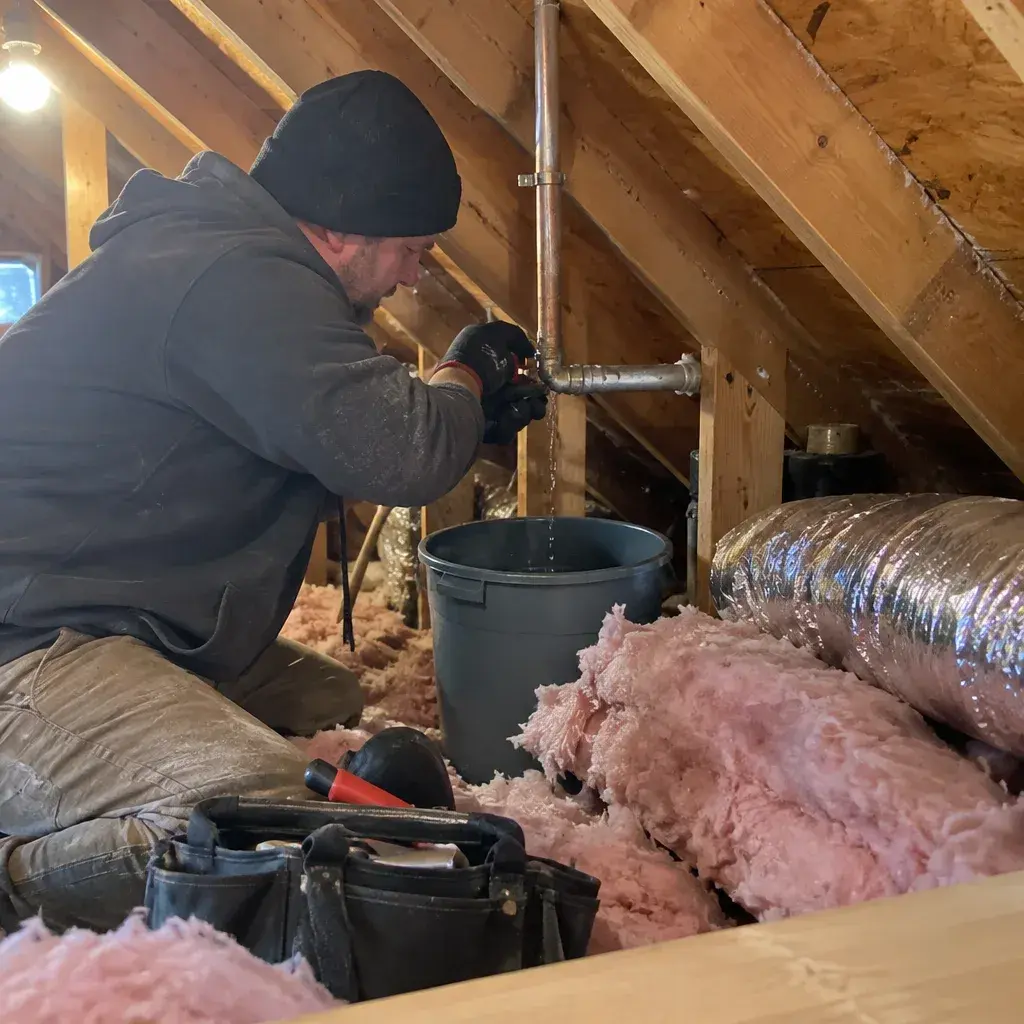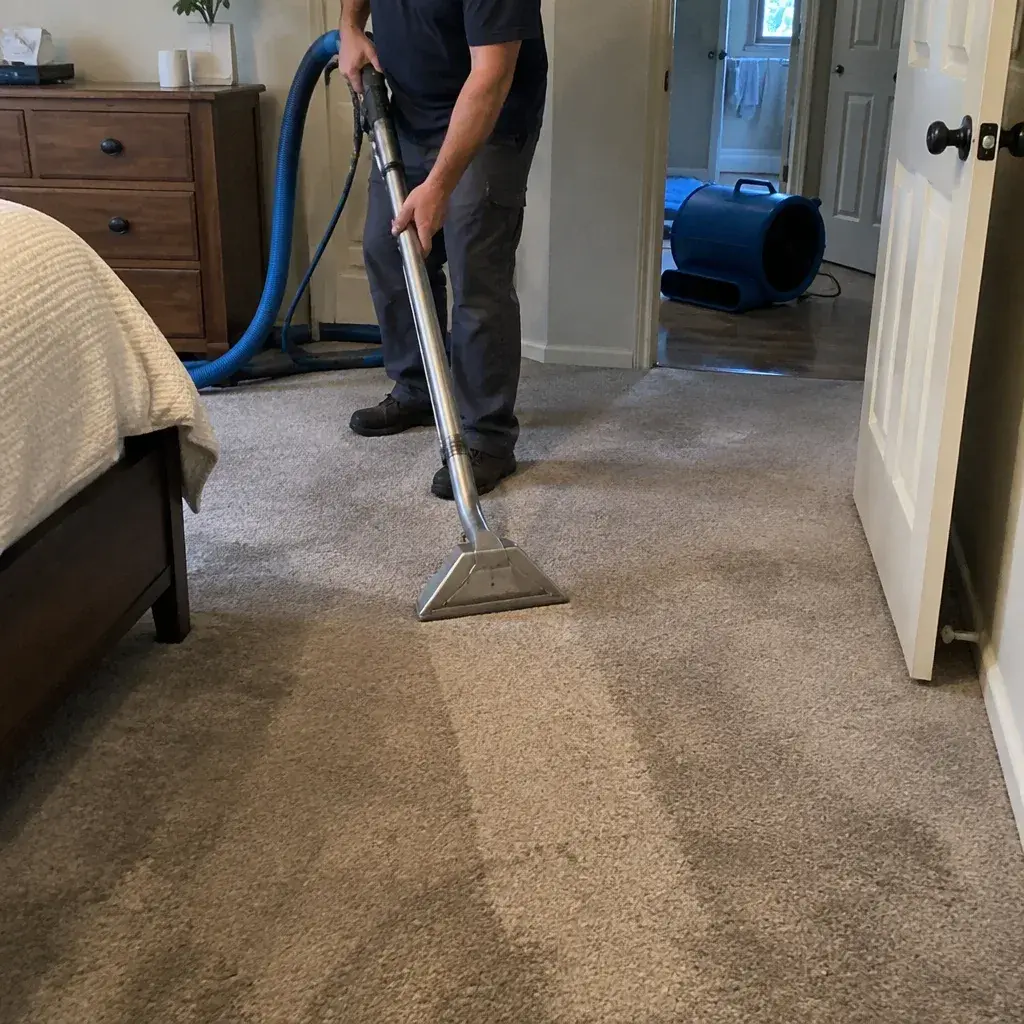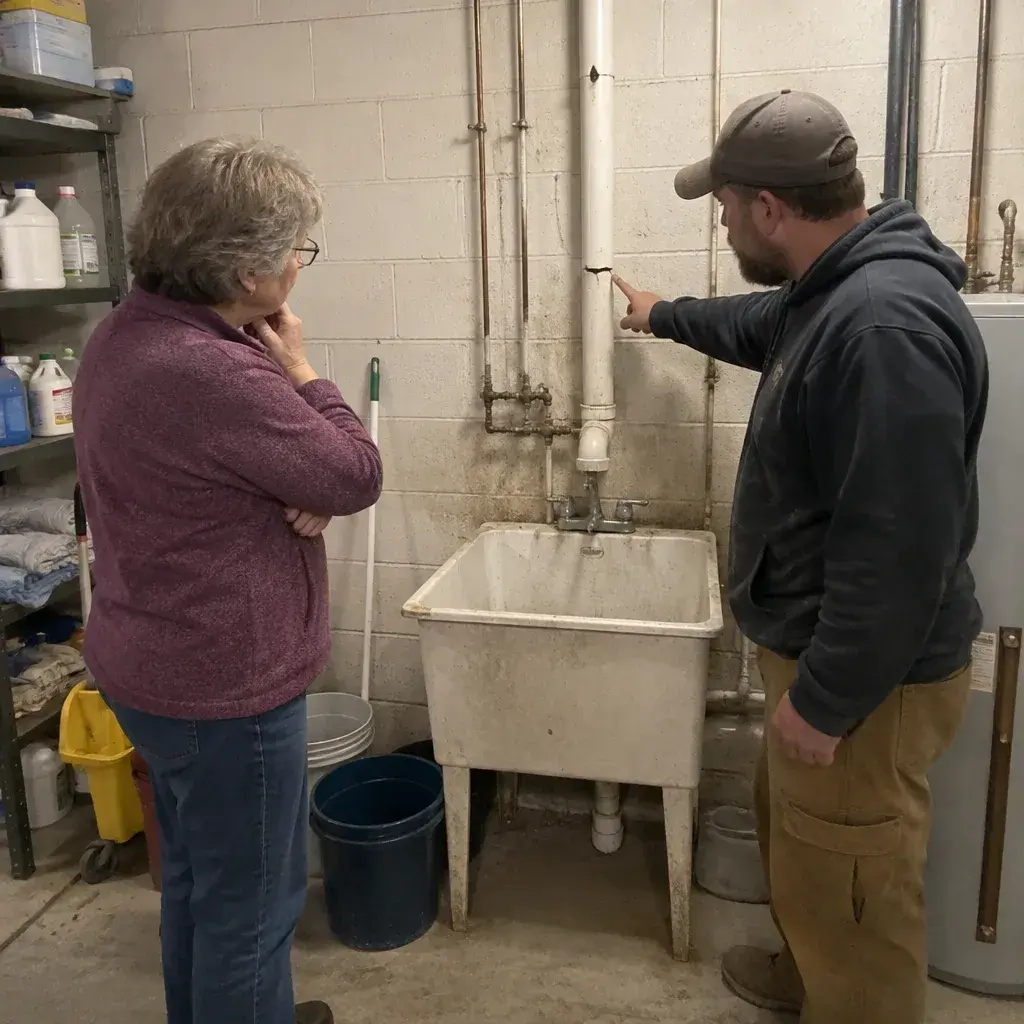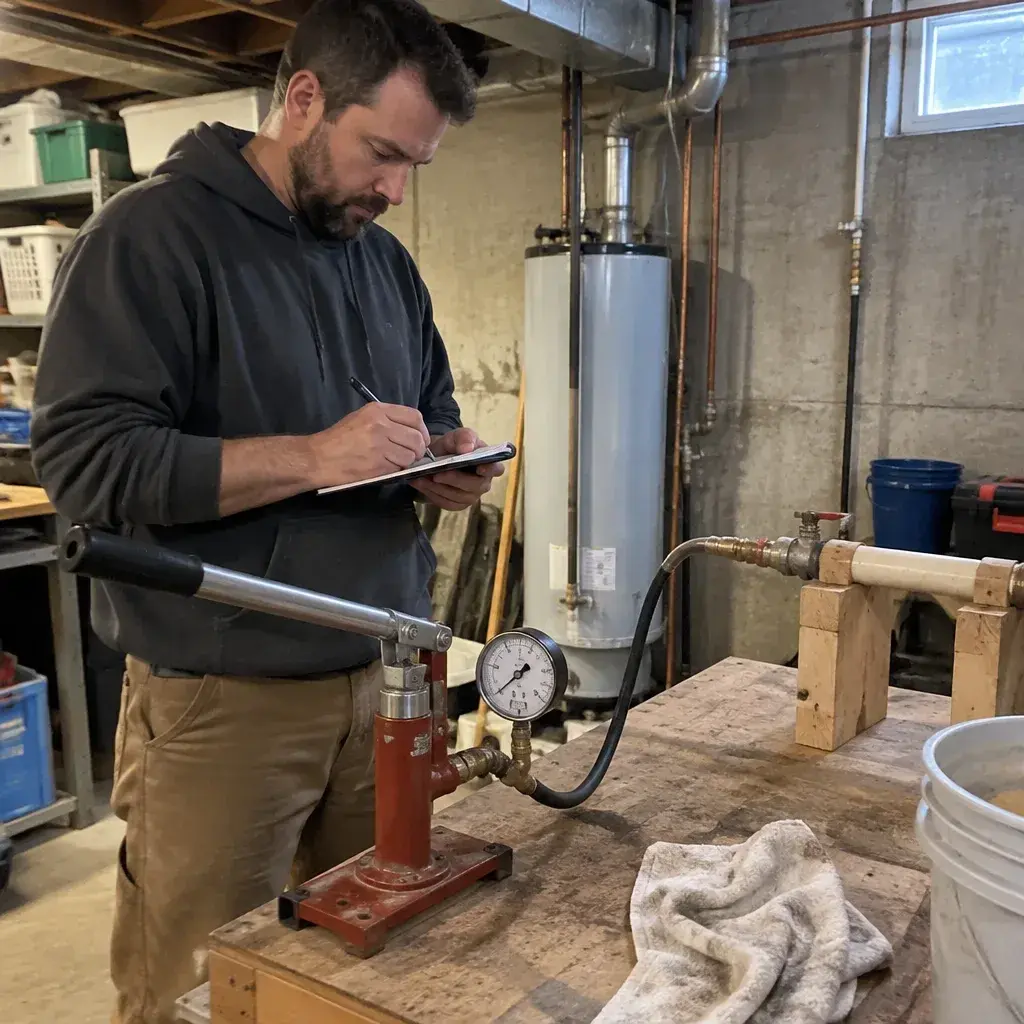
Photograph Visible Water Damage
A burst pipe can leave you with more than a wet floor: details about the break may disappear once cleanup and repairs begin. Before damaged materials are moved, take photos or video from a safe place, showing the affected room and closer views of visible damage. Capture the pipe, nearby materials, and any visible path of water without moving anything. These images create a record of what you could see; they do not replace the plumber’s description of the pipe work.
Your own observations can help distinguish what you saw from what you learned later. Note when you first noticed the leak, where you saw water, and what changed before the plumber arrived. Mark details you are unsure about as estimates instead of filling gaps with guesses. If water appeared below a ceiling or far from the pipe, record that too; the source may be concealed. A clear timeline can help you explain why the plumber inspected or opened a particular area.
Keep the Plumber’s Work Record
Keep the plumber’s work record with your burst pipe insurance documentation; the invoice shows what the visit and repair cost. Ask for a description that identifies the damaged pipe section or fitting, the work performed, and parts used, then retain messages about the plumber’s findings or follow-up. Take photos or video of the break and affected rooms before cleanup, and note damaged belongings and steps taken to limit more water. Store copies together so you can find them when asked, then contact your insurer to learn which records it needs for your claim.
Keep plumbing paperwork apart from records for drying, water removal, or rebuilding, since those tasks may be handled by separate providers. Save each provider’s invoice and written description with the related room or area noted. If a wall or floor was opened to reach a concealed pipe, preserve photos from before and after access work when available. This separation makes it easier to answer a question about the pipe repair without confusing it with later work on damaged finishes.
Save Insurer Requests and Replies
Save insurer emails, letters, and portal messages with your claim number. Keep messages about inspections, document requests, and decisions together with the claim file. Keep a simple copy of what you sent and when, along with delivery or upload confirmations. If a file is revised, retain the version you first provided and the updated copy. This communication trail can help you spot a missing attachment or respond to a follow-up accurately.
Read each document request closely and keep it beside your reply. If the request could mean more than one record, ask the insurer to identify the item and preferred format before sending material you are unsure about. Keep the answer with the request, and note when you supplied the requested record. Requirements can differ by claim, so ask which burst pipe insurance documentation is needed for yours and whether anything remains outstanding.
Document Belongings and Mitigation
For belongings affected by water, record the item, its condition, and where it was found. Photograph it in place when safe, then keep receipts, product details, or other ownership records you already have. For items with several damaged parts, photograph each part separately and include a view of the whole item. These details help identify what was affected before the room changes during cleanup; avoid relying on memory alone when assembling the claim file.
When safe, photograph standing water or damp surfaces before cleanup changes the area. Record which area the work concerned and save any written findings about moisture or materials removed. Plumbing repair, drying, and rebuilding are separate parts of the response, so label each record by provider and task. Before closing the file, compare your saved documents with the insurer’s request and ask: which records, if any, are still needed?
Dealing with a burst pipe in your home?
A pipe can split behind a wall, under a sink, or near a water heater, and limiting water damage is an important first step. For burst pipe repair in a nearby town, contact the pros we connect you with and ask whether they serve your address. They can discuss their availability, possible visit timing, and any charge for coming out.