When Outdoor Water Calls for Help
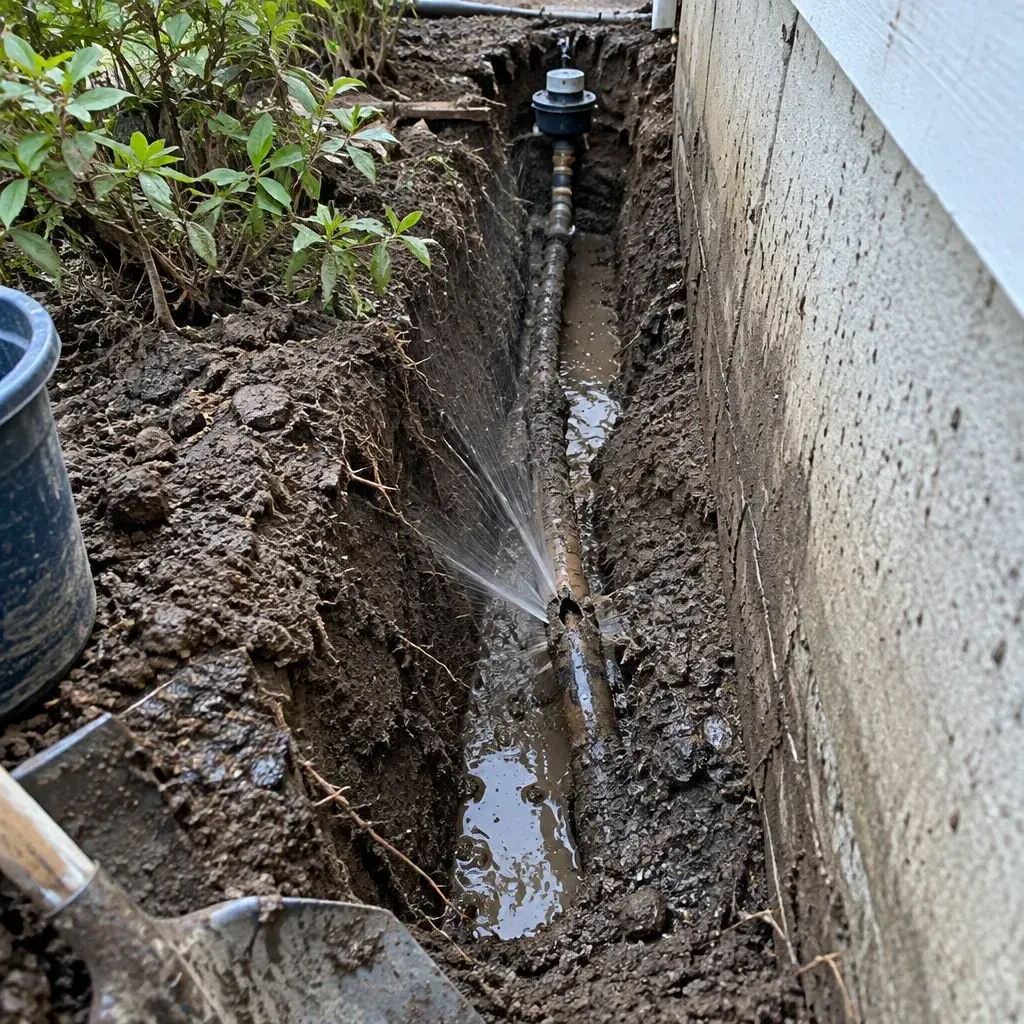
A burst pipe can send water across a yard or toward the street before you see where it started. If the flow appears near water utility equipment or beyond the area you can safely inspect, contact the provider promptly; it can tell you whether its system may be involved. Water coming from inside a building may call for a plumber instead. The key is to report what you can observe and let the utility clarify who should act.
Keep people and pets back from water near utility equipment while you make the report. For a suspected utility water line repair, tell the provider where the water is emerging and whether it is still moving. Do not cross traffic or enter a flooded area to investigate. If you cannot tell which system is involved, say so; uncertainty is useful context, not a reason to delay a report.
Water Near Utility Equipment
A wet meter area, a damaged-looking cover, or water gathering around utility equipment gives you a concrete reason to call. Describe the visible condition without opening a cover or trying to move equipment. The provider can explain whether it wants to inspect the spot and whether someone needs access. A water utility pipe repair may be relevant, but a wet surface alone does not establish where the break lies or who maintains that section.
When you call, ask whether the provider can assess the equipment you described and what access it needs. Share anything that could affect a visit, such as a locked gate or a vehicle blocking the area. Keep people away from damaged equipment, and avoid touching it. Before ending the conversation, ask what you should do while waiting and how the provider will tell you whether its assessment is finished.
Changes in Water Service
A sudden loss of water or a marked pressure change across several taps can point to a supply problem, especially when water is also visible outside. Contact the utility to ask whether it knows of an interruption in your area and report the outdoor leak separately. A burst pipe utility service issue is only one possibility; changes inside a single fixture may have another cause. Describe which taps changed and what you noticed outdoors.
A service interruption notice can help explain low flow, but it does not confirm a broken pipe on your property. Ask the provider whether the interruption is related to your address and whether it has information about the water you see. If the service change ends but water continues to appear, report that new detail. This helps distinguish a supply update from a leak that still needs attention.
Reporting the Leak and Following Up
If the water changes color or carries debris, describe that without touching it. Mention changes in water service and any visible concern near equipment. If you heard rushing or noticed the ground becoming wet, include that too. Stick to what you observed; the utility can ask follow-up questions if it needs more detail.
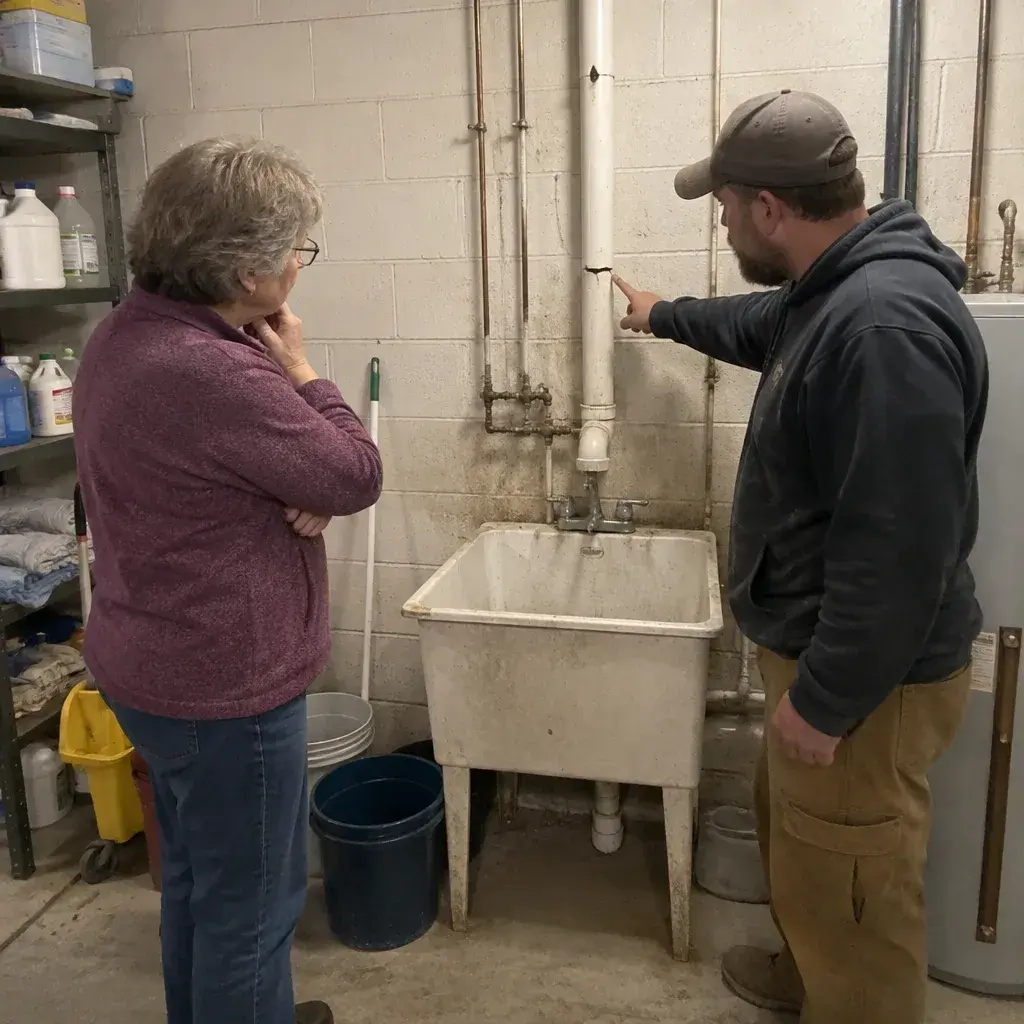
Before the call ends, find out who is responsible for the next step and whether the provider will update you after its review. If it says the issue is outside its system, ask what kind of professional to contact; the pros we connect you with may be able to assess a private plumbing problem. If water keeps appearing or conditions change, contact the provider again with the new information.
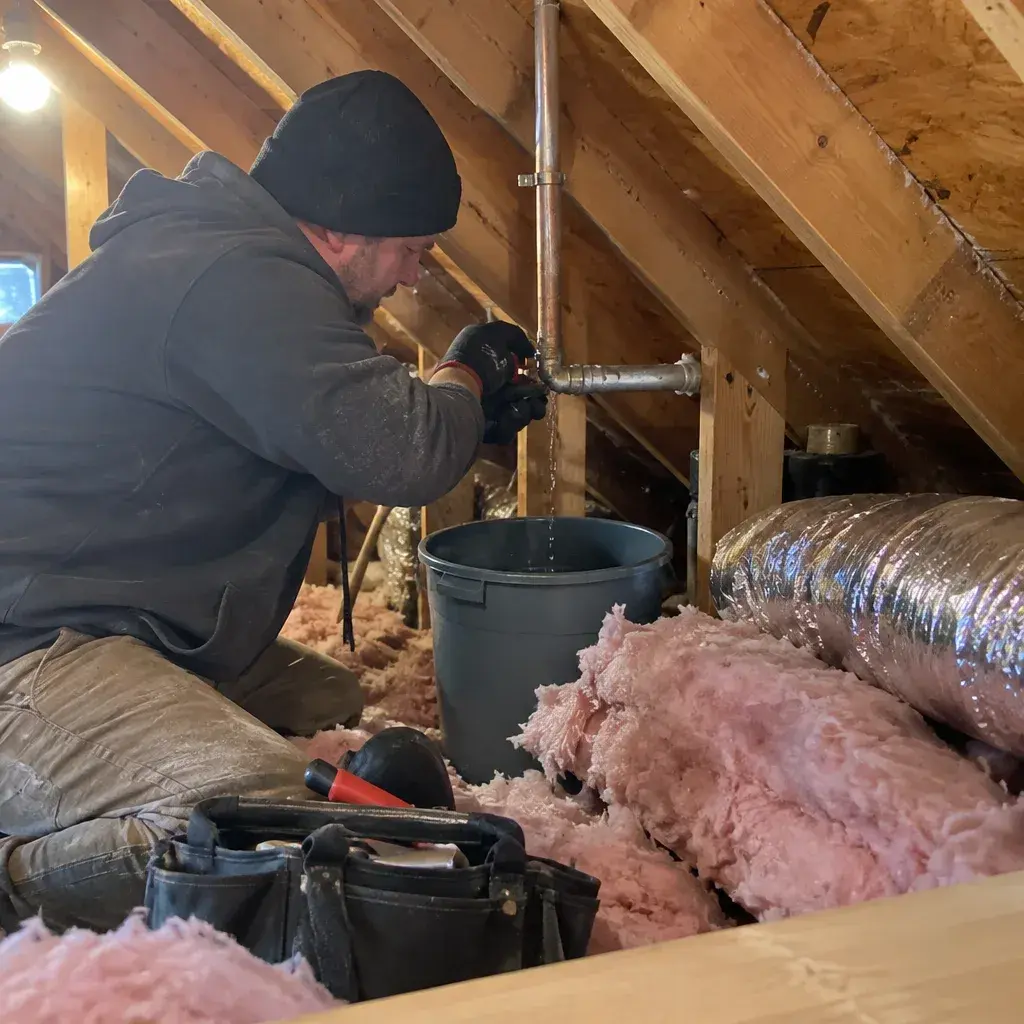
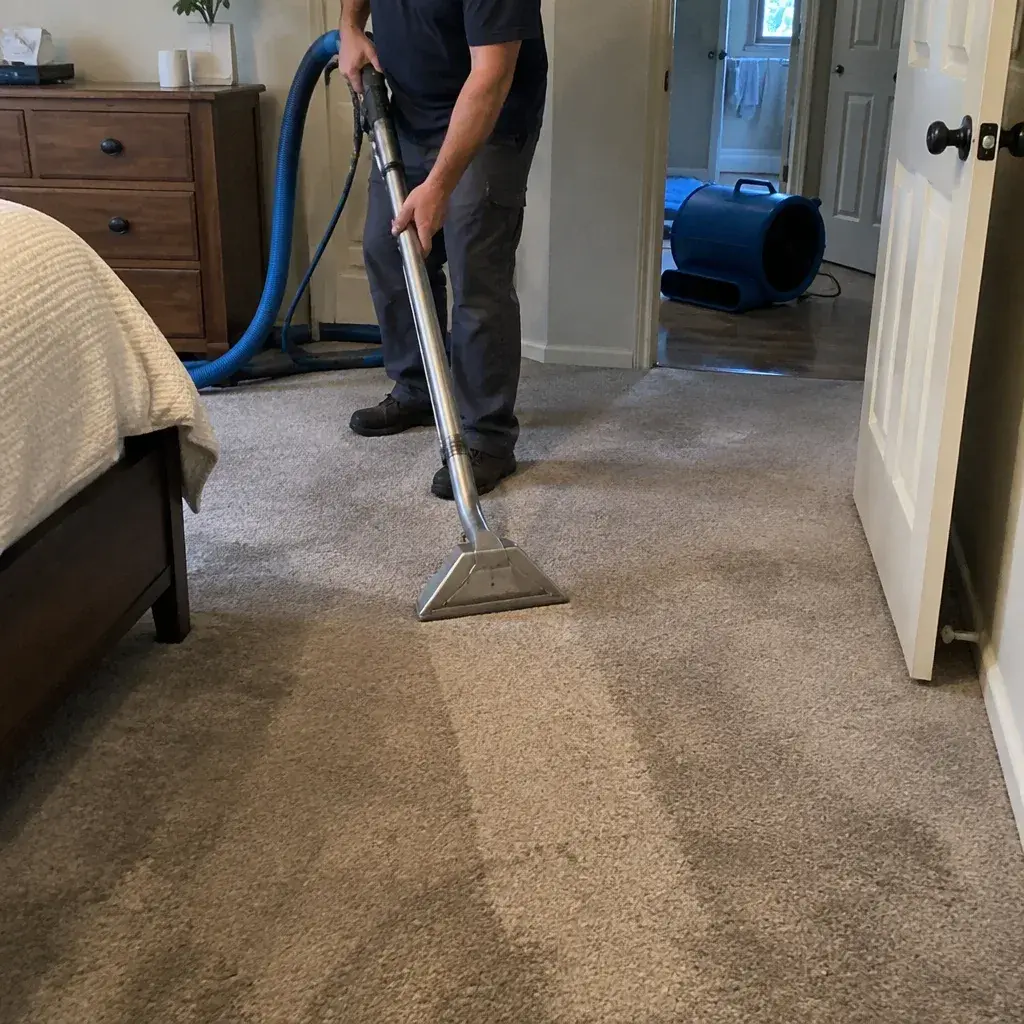
Dealing with a burst pipe in your home?
A pipe can split behind a wall, under a sink, or near a water heater, and limiting water damage is an important first step. For burst pipe repair in a nearby town, contact the pros we connect you with and ask whether they serve your address. They can discuss their availability, possible visit timing, and any charge for coming out.