Clues Around a Suspected Leak
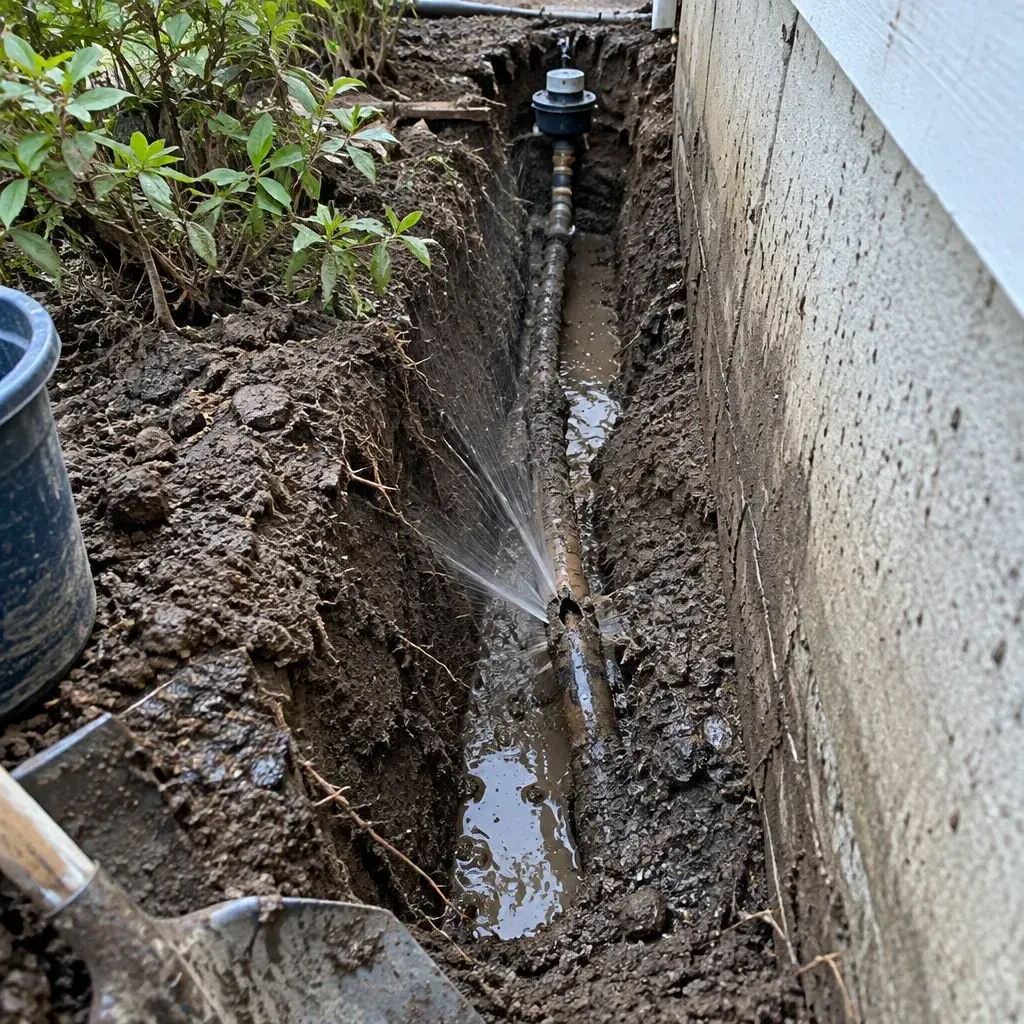
A sudden wet strip across a lawn, water surfacing near a driveway, or a new hiss by the service entry can point to a pressurized supply line leak. Those clues help narrow where the problem may be, but they do not establish who pays for or arranges the work. Responsibility for a burst line between the meter and house depends on the maintenance boundary set by the water provider and applicable local rules. That boundary can fall at a different point from what the visible water suggests.
The meter may sit near the street, at a property edge, or closer to the building, depending on the layout. A damp patch by a front walk therefore does not show whether the affected section lies on the provider’s side or the owner’s side. Look at the line’s apparent route and note where water first appears, while keeping in mind that it can travel before reaching the surface. The meter’s location is a reference point, not a universal dividing line for water meter pipe responsibility.
Where Maintenance Responsibility Falls
The provider’s maintenance boundary is the key to service line repair responsibility. In some places, the provider maintains a portion of the service line and the property owner maintains the remainder; local rules define where that division applies. A leak between meter and house may therefore fall to either party, depending on the address and governing requirements. There is no single nationwide rule that makes every homeowner responsible for the entire stretch or assigns it all to the water provider.
Water line ownership and the duty to maintain it can be separate matters. A pipe may cross private land or serve one property without the deed alone deciding who must arrange upkeep. Likewise, a record showing an easement or route may describe access rather than the maintenance obligation. If you are trying to understand who bears the cost, find the rule or provider policy that assigns responsibility for the specific segment where the suspected break lies.
What Records and Reports Can Show
Take photos of the affected area and note any changes, so the provider can review what was visible when you called. Mention if the indoor supply has changed, without assuming that the nearest wet spot marks the break. A clear account helps the provider identify the section in question and explain how its service line repair responsibility applies at that address.
A site plan, deed attachment, or other property record may help you follow the line’s route, especially if the meter is away from the house. Check whether local rules or provider materials describe a maintenance boundary for your address. These records can clarify where a pipe runs, but they may not answer who maintains it. Compare them with the provider’s explanation before treating a mapped route or ownership note as the final word on responsibility.
Confirm the Boundary Before Work
If the provider’s explanation and your property papers seem inconsistent, the disagreement may concern different sections or different meanings of ownership. Ask which precise stretch the provider considers its maintenance responsibility and what rule or record supports that view. This can matter to your costs: the party responsible under the applicable boundary may need to arrange the work, while a disputed assignment can leave you uncertain about who should authorize it.
Before arranging work, ask the provider to confirm the maintenance boundary for your service address and compare that answer with available property records and local requirements. If you can access the meter, note its reading before and after a period when fixtures are off. The pros we connect you with can help once the responsible party and affected section are clear.
Dealing with a burst pipe in your home?
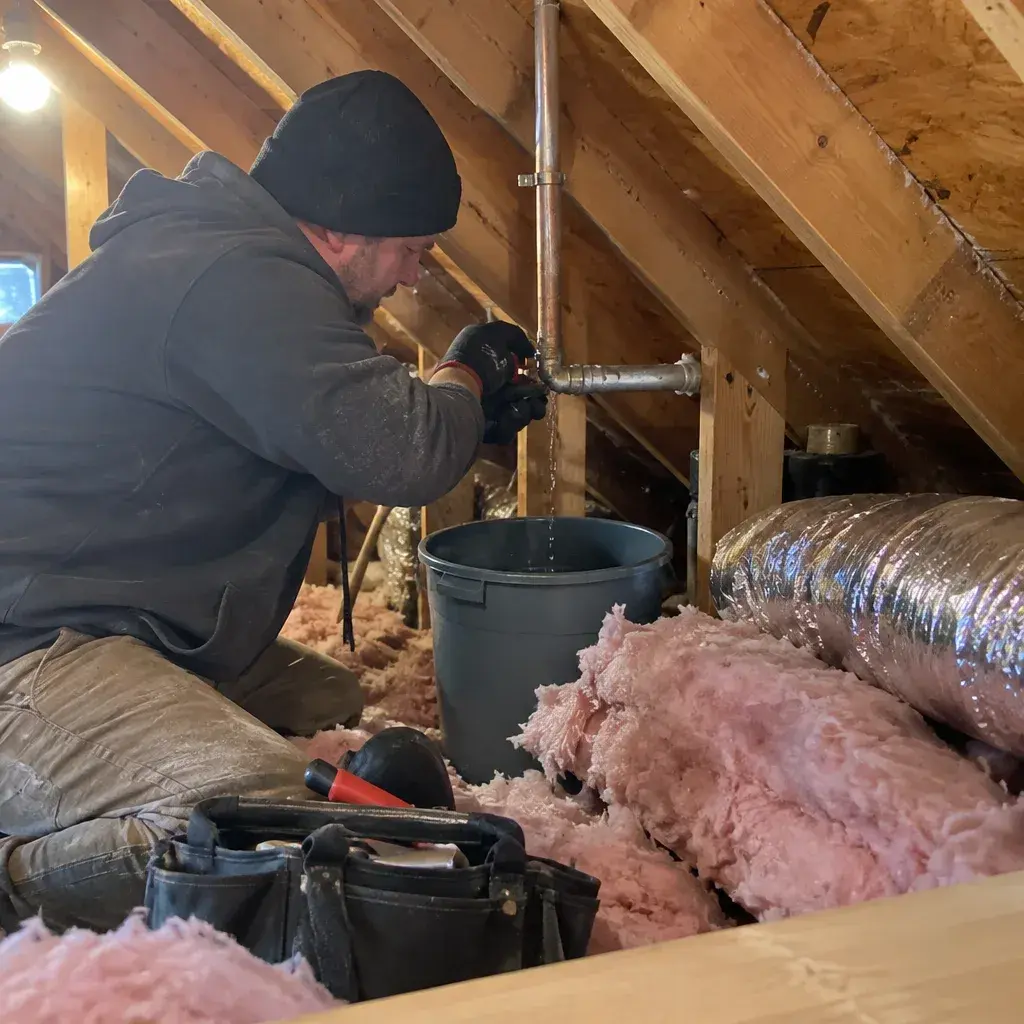
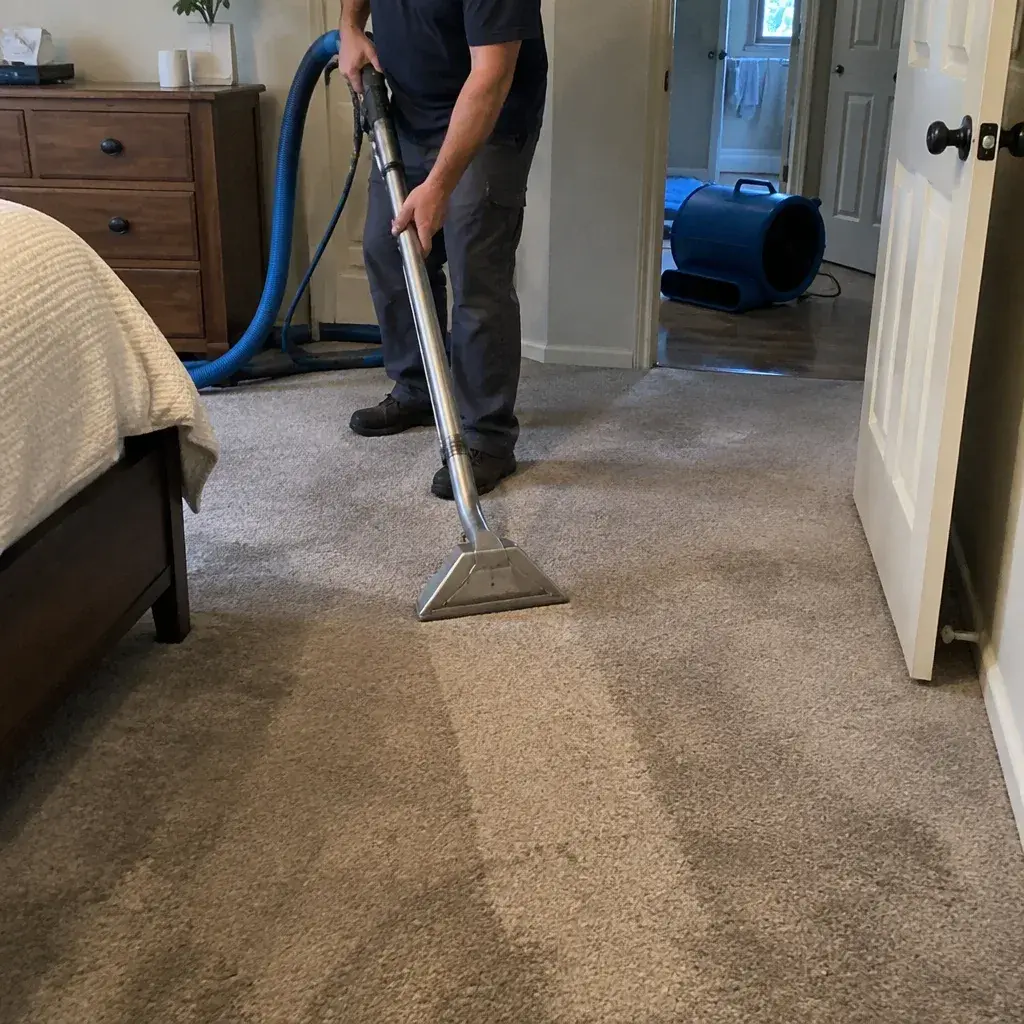
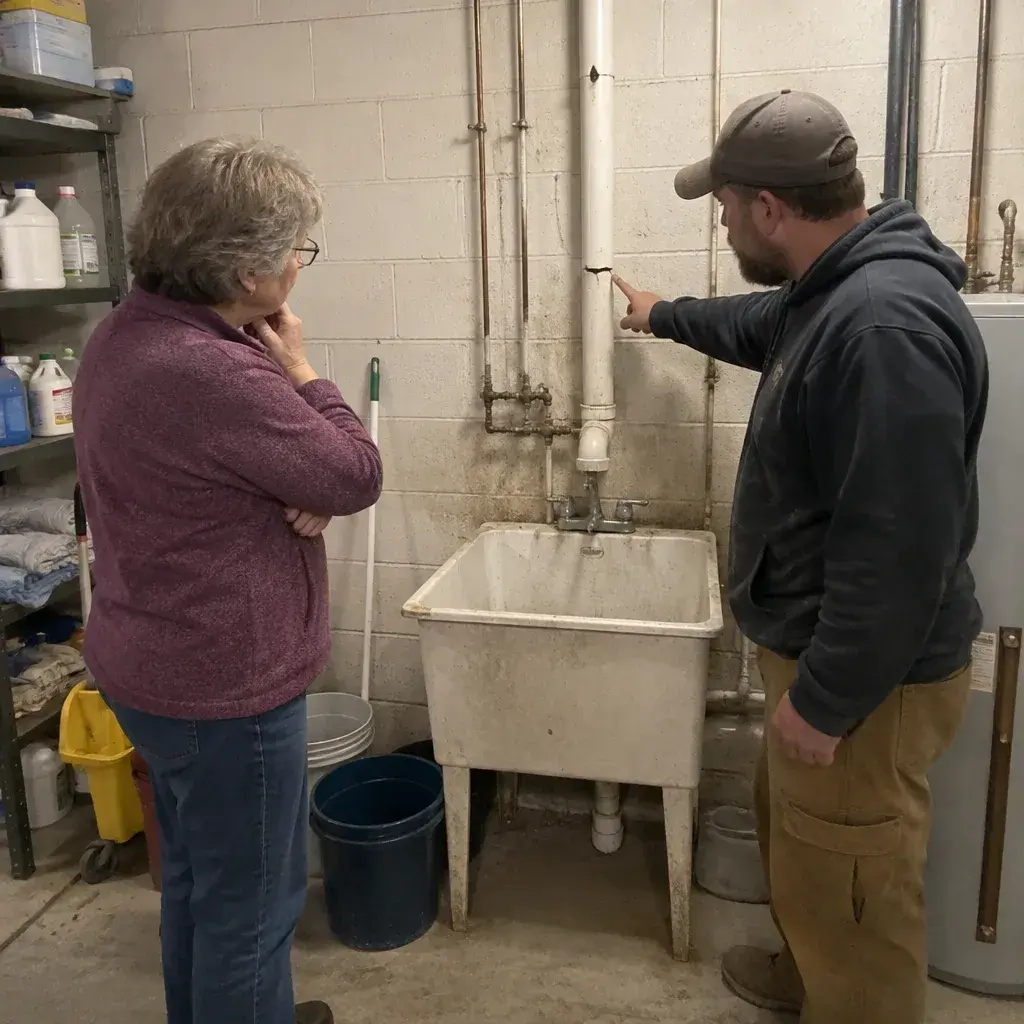
A pipe can split behind a wall, under a sink, or near a water heater, and limiting water damage is an important first step. For burst pipe repair in a nearby town, contact the pros we connect you with and ask whether they serve your address. They can discuss their availability, possible visit timing, and any charge for coming out.