Typical Time for Pipe Repair
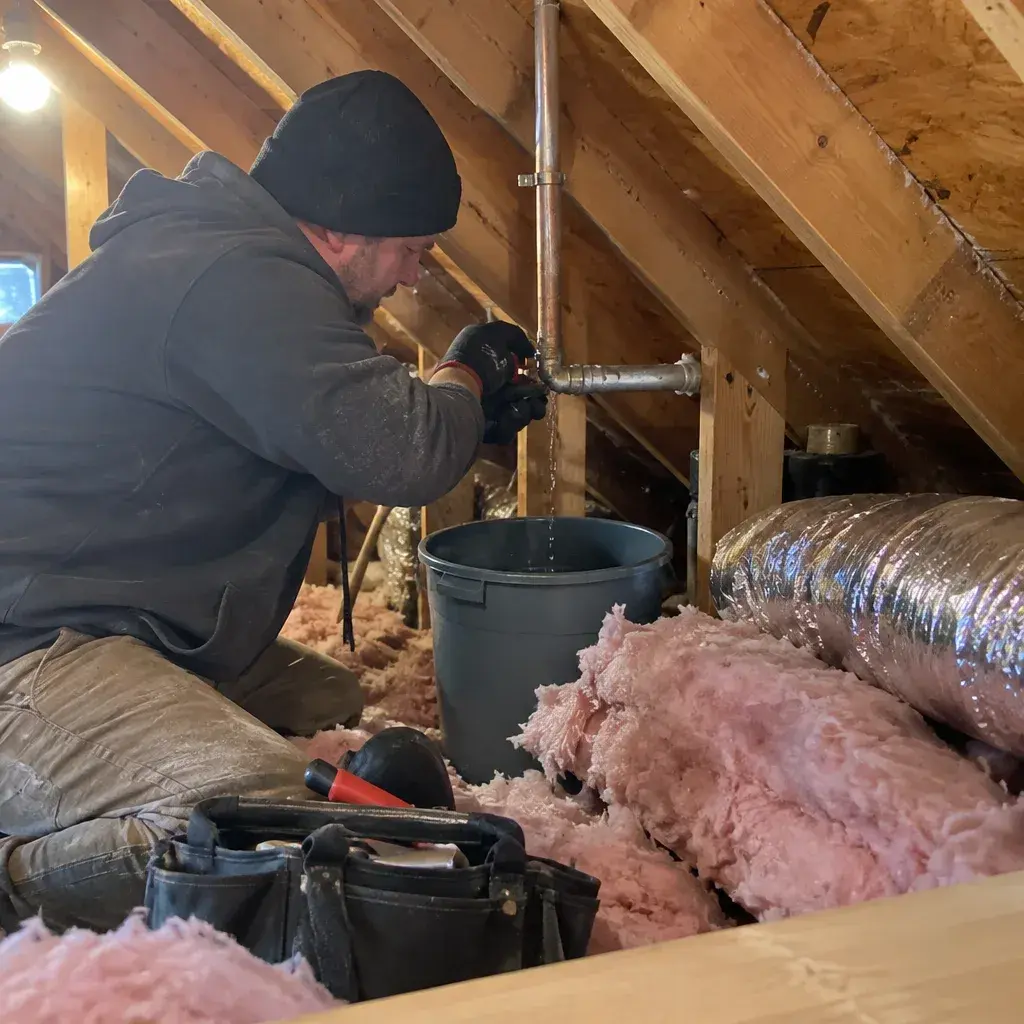
A straightforward burst pipe repair on an exposed, reachable line often takes a few hours of plumbing work. A plumber can see the split, access the section, and assess what the repair involves without first opening a finished surface. If the pipe is concealed or the leak source is unclear, finding and reaching the break can add substantial time. There is no dependable single duration for every home or business; the pipe’s location and the work needed to expose it shape the estimate.
The time estimate usually covers more than fitting a replacement section. It may include locating the break, gaining access, making a repair that suits the existing line, and checking the result. A limited repair may be completed during one visit, while a harder-to-reach break can make the plumbing work take longer. Ask whether the estimate describes hands-on repair time or the full visit, since those answer different questions about how long you may be without normal water service.
Visible Clues Around a Hidden Break
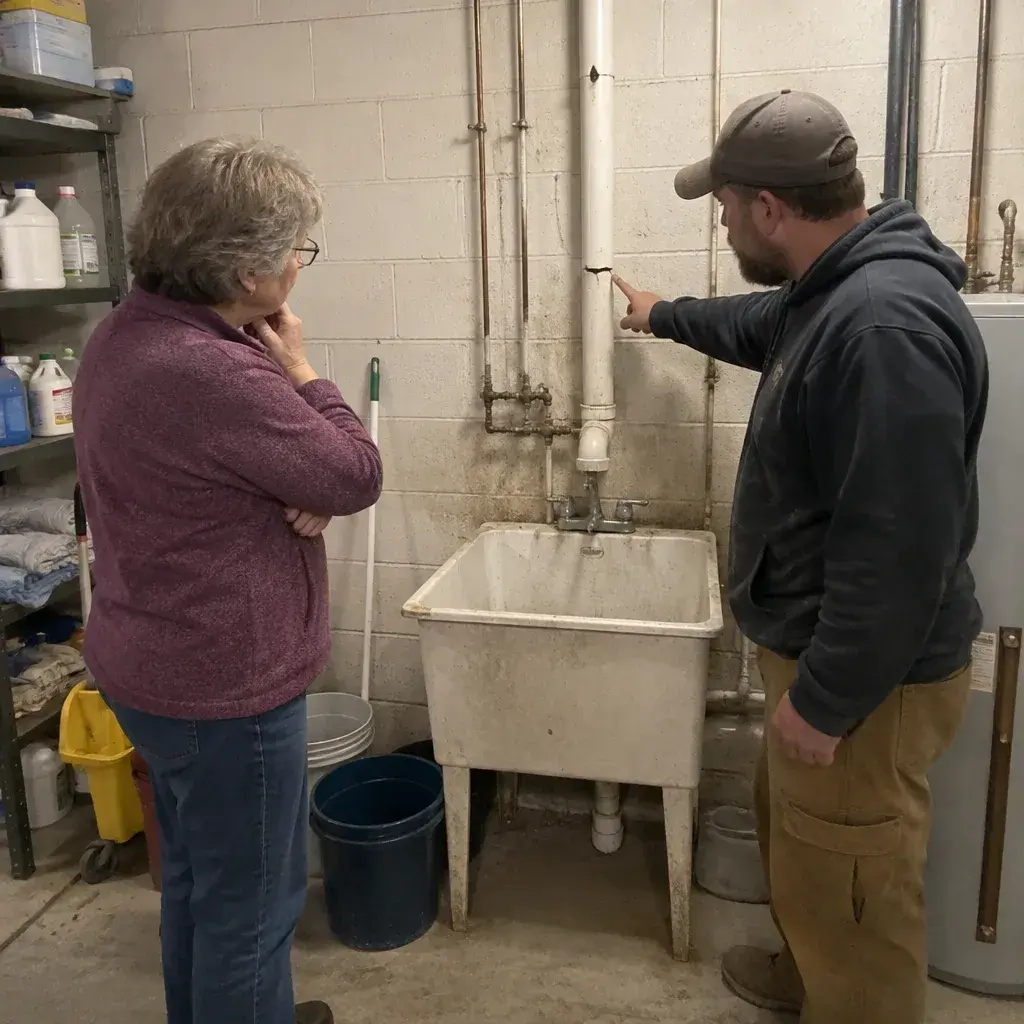
A visible spray or steady drip from an exposed supply pipe points to a break the plumber can inspect directly. With a concealed line, you may instead notice a new damp patch, ceiling mark, or sound of water where no fixture is running. Those signs can help narrow the search, but the wettest spot may not sit beside the break. Tracing the source can therefore take longer than the repair itself, especially when the pipe runs behind a finished wall, floor, or ceiling.
Repair time depends on where the pipe broke, how easy it is to reach, and how much water has affected nearby materials. The pros we connect you with can assess the damage and explain the work involved, including any drying or repairs beyond the pipe itself. A break behind a wall or beneath a floor may take longer to address than an exposed section.
How Pipe Access Affects the Schedule
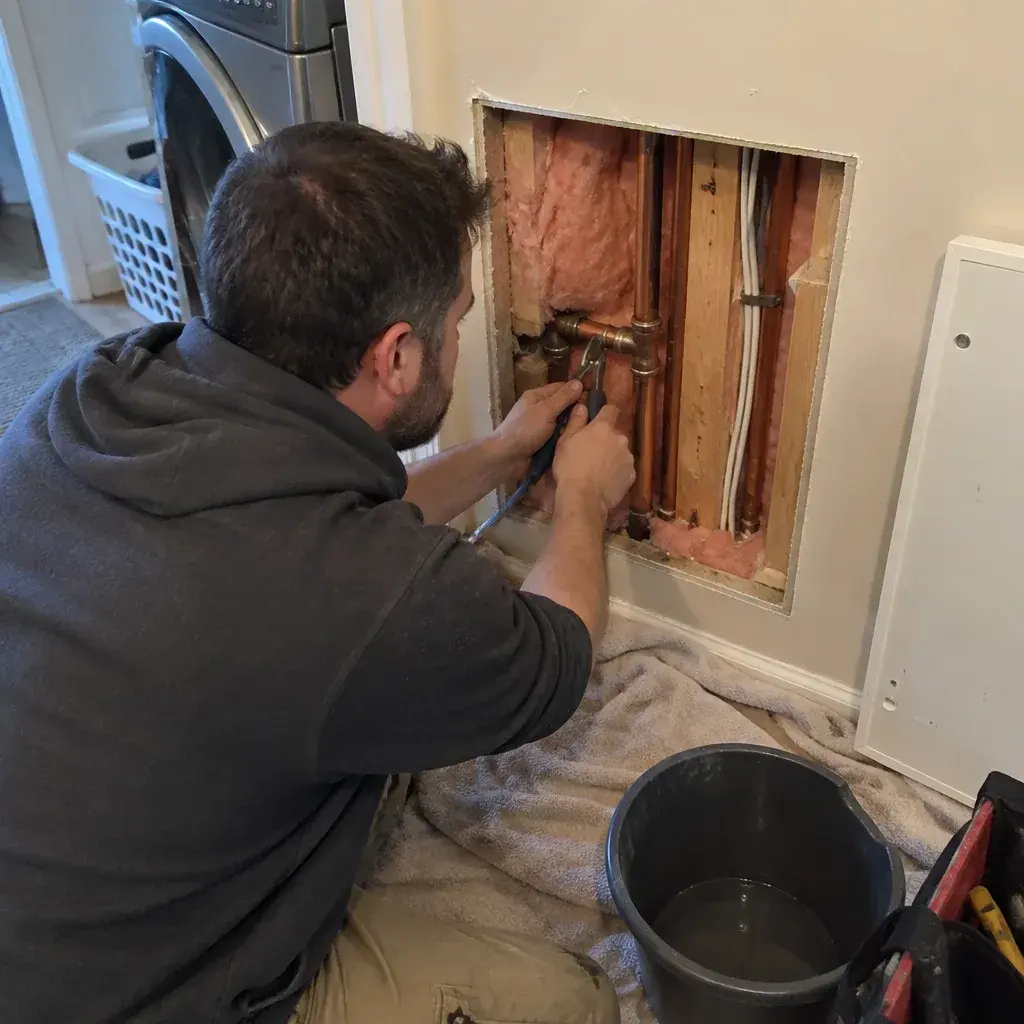
Repair time depends on where the pipe burst, how much of it needs replacement, and whether walls, floors, or other materials must be opened for access. The pros we connect you with can assess the damage and explain what the work involves. Cleanup or repairs to affected surfaces may add separate steps after the plumbing is fixed. If water is still flowing, shut off the main water supply if you can do so safely, and tell the pro what you have observed.
What you can observe helps set expectations, but it cannot confirm everything about a concealed pipe. A stain that spreads beyond the pipe’s route or more than one damp area may leave the source uncertain until the line is assessed. Tell the pro about existing openings and anything that blocks the affected area. That context can help them explain which parts of the timeline are clearer now and which depend on what becomes visible during the visit.
After the Plumbing Work Is Done
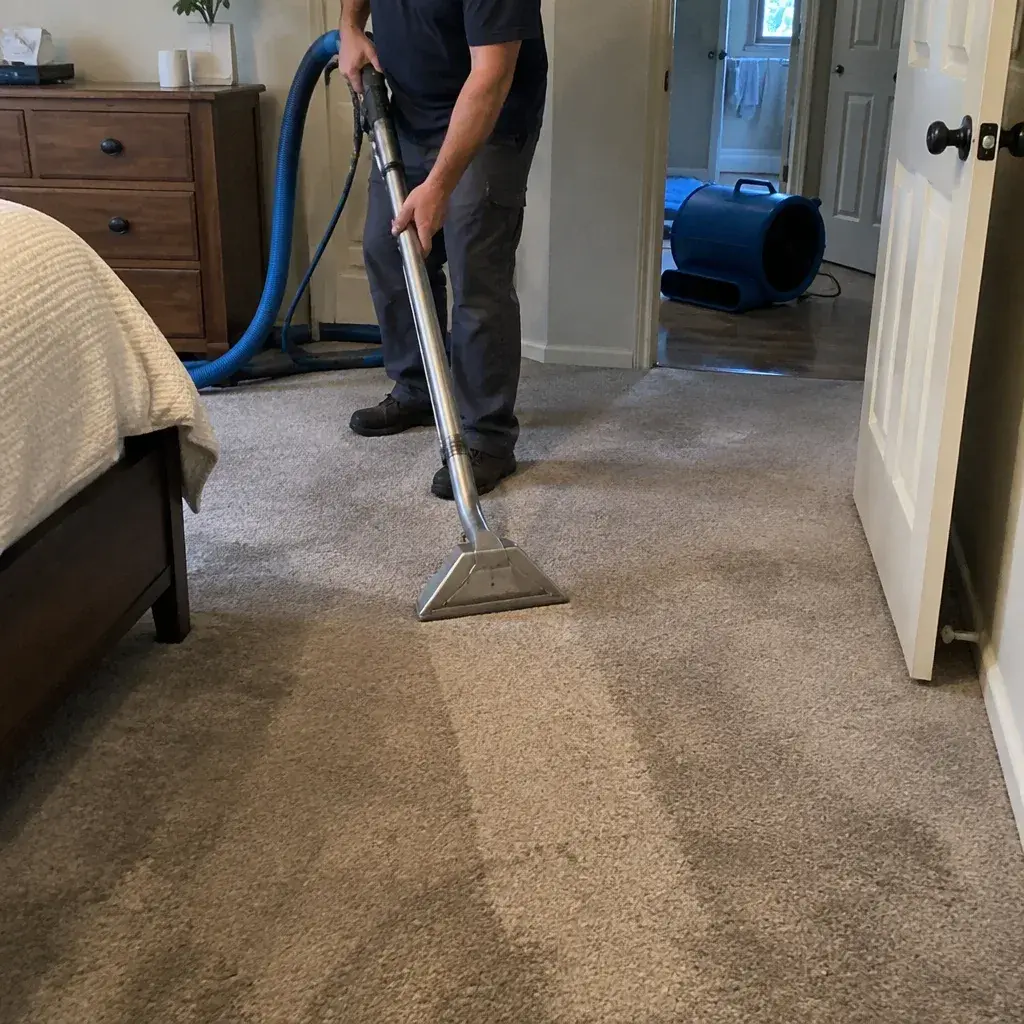
The plumbing timeline ends after the repair is checked, but the room may not be ready for normal use then. Water may have reached flooring, insulation, or other finishes, and extraction, drying, or rebuilding can require separate providers and scheduling. Ask which work the stated duration includes. A few hours of pipe work and the time needed to dry or restore affected materials describe separate parts of the recovery.
For a useful estimate, ask how much time is allowed to locate and reach the pipe, complete the plumbing work, and check the repaired section. Share the visible signs and access limits you have already noticed, then ask what could change the estimate once the line is exposed. You can also clarify whether drying and finish repairs are outside that timeline. These questions make it easier to compare the stated duration with the disruption you should plan around.
Dealing with a burst pipe in your home?
A pipe can split behind a wall, under a sink, or near a water heater, and limiting water damage is an important first step. For burst pipe repair in a nearby town, contact the pros we connect you with and ask whether they serve your address. They can discuss their availability, possible visit timing, and any charge for coming out.