Why Water Color Can Change
After a burst pipe is repaired, water may briefly look cloudy, orange, or brown as the renewed flow shifts fine material inside the line. Sediment can collect in plumbing and become visible when water starts moving through a disturbed section. The tint alone does not identify its source or show whether the repair is sound. If the change began right after the work, tell the repair provider when you noticed it and whether the appearance is changing.
A glass of water may look hazy throughout, or show a tint that is easier to see against a pale surface. Those appearances can help you describe what changed, but they do not confirm which material is present. Cloudy water after plumbing work may reflect particles stirred by the repair; other causes are also possible. Note whether the color clears, remains, or returns, and share that description with the provider instead of assuming the repaired pipe is the only possible source.
Compare Hot And Cold Water
A burst pipe repair can disturb mineral sediment inside a water line, leaving water briefly brown, rusty, or cloudy when service resumes. The particles may have collected in the pipe before the break; work on the line can shift them into moving water. That change in appearance can be unsettling, but color alone does not identify what the material is or where it came from. Discolored water after repair describes the visible symptom, not a diagnosis. How long it lasts and whether it returns are useful details to notice.
A short-lived tint and discoloration that continues are different patterns. If the water clears and stays clear, the change may have been temporary sediment disturbance during the repair. If it remains tinted, comes back later, or shows up at several taps, the cause may need further attention. Cloudy water after plumbing work does not by itself confirm a new break or a problem with the repaired section. The timing matters: note whether the appearance began after service resumed and whether it changes or returns afterward.
When The Tint Persists Or Returns
Pay attention to how long the color remains visible. A brief change that fades after the repair may fit temporary disturbance in the line, while discoloration that continues deserves a follow-up. Follow the provider's instructions, and contact them if the tint persists so they can advise whether the repaired section needs review. If multiple taps are affected, contact your water supplier as well; a building-wide pattern may need a broader explanation than one fixture can provide.
A tint that disappears and later returns is useful information, especially if the affected faucets change or more rooms become involved. Write down when it reappeared and which hot or cold outlets showed it. Tell the repair provider about the pattern, and contact the water supplier if several taps have changed. The timing can help both determine whether to look at the repair or consider a supply-side issue. Color by itself cannot establish that the repaired connection is leaking.
What To Report And Where To Follow Up
Follow the repair provider’s directions for your water service, and avoid making assumptions about the cause from color alone. If the tint persists or returns, contact the provider who handled the pipe work; they can address questions about the repaired line. When several taps are affected, or the change seems broader than the repaired area, contact your water supplier as well. If you see active leaking or water near electrical equipment, keep away from the unsafe area and seek appropriate help.
This national site has area pages for places such as California State University Dominguez Hills, Minnesota Valley National Wildlife Refuge, and Old City and Society Hill Philadelphia PA. Those pages provide location-specific entry points; people in other areas can use the site’s referral connection to reach the pros we connect you with. For a water color concern, the relevant follow-up still depends on what you observe: persistent or returning discoloration calls for contacting the repair provider, while color at multiple taps also warrants contacting the water supplier.
Dealing with a burst pipe in your home?
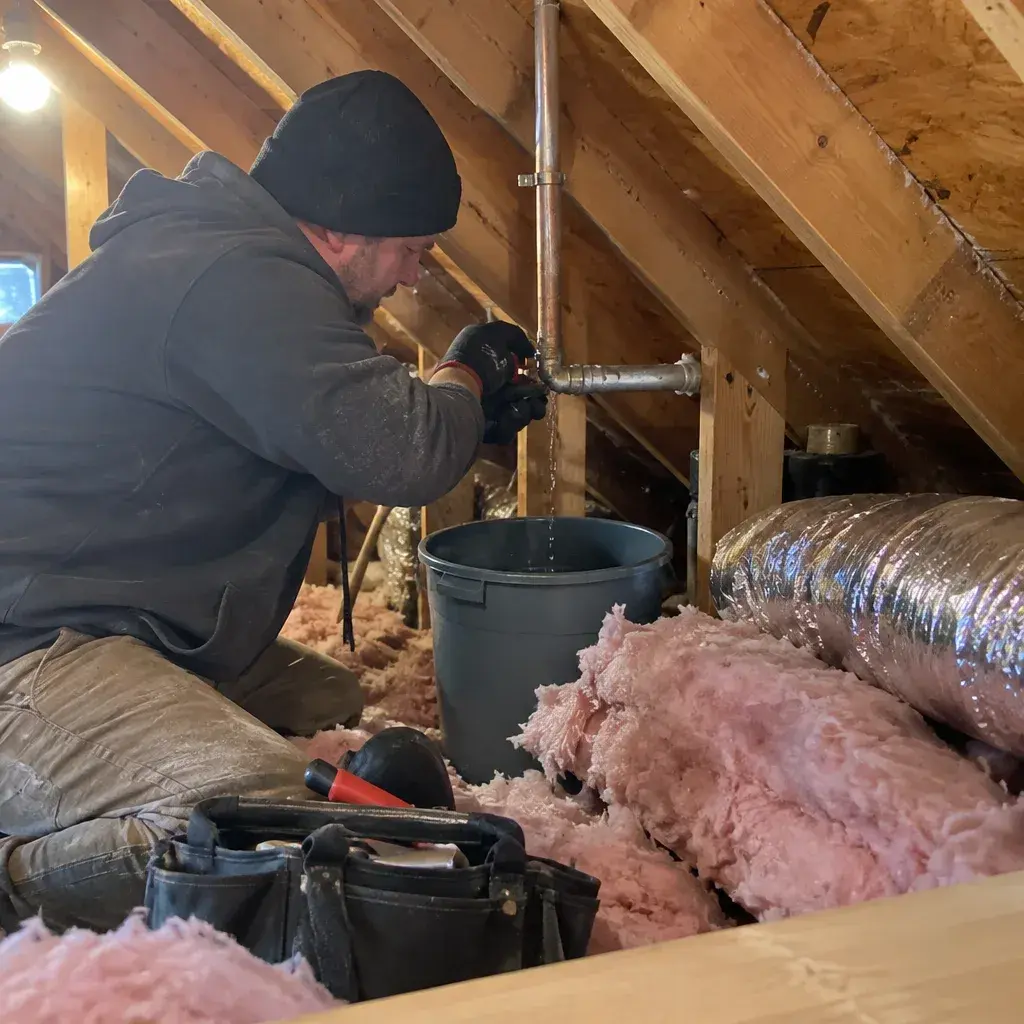
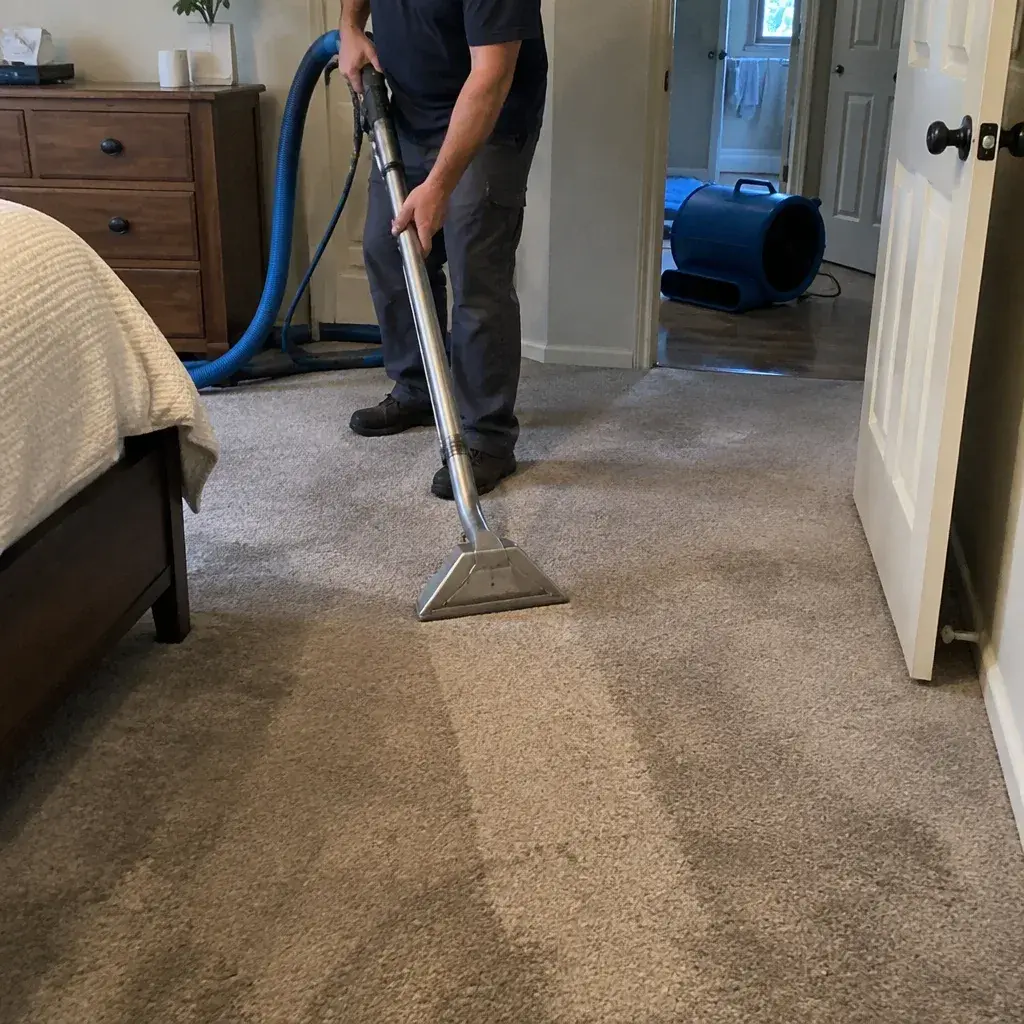
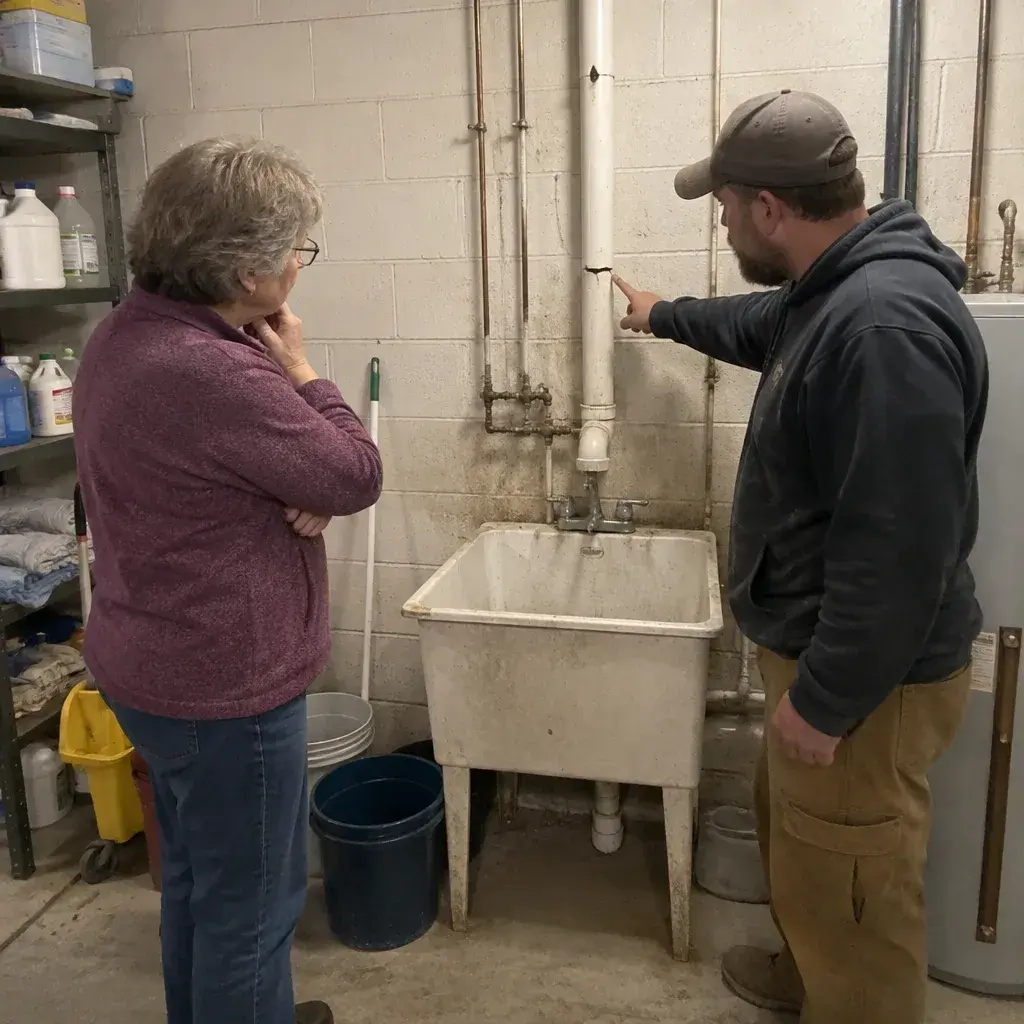
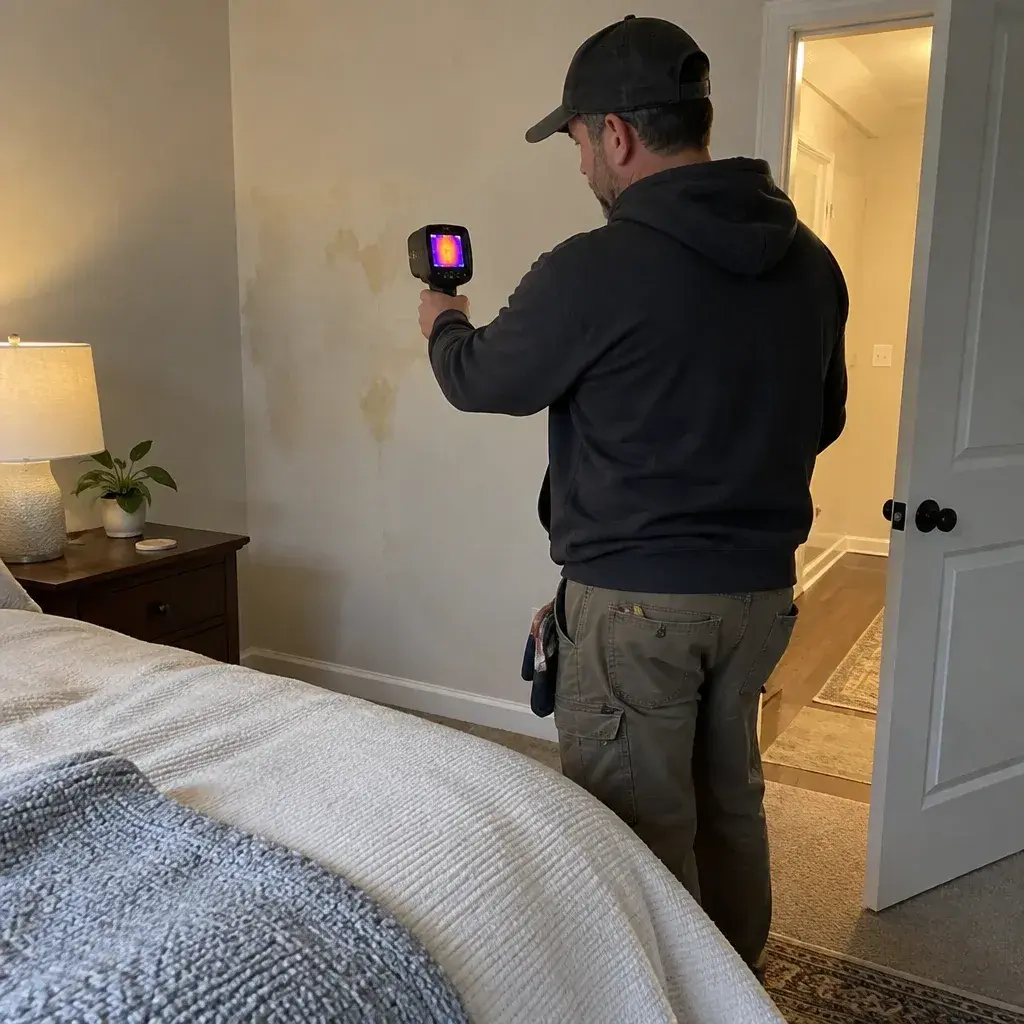
A pipe can split behind a wall, under a sink, or near a water heater, and limiting water damage is an important first step. For burst pipe repair in a nearby town, contact the pros we connect you with and ask whether they serve your address. They can discuss their availability, possible visit timing, and any charge for coming out.