Cold Weather and Remaining Pipe Restrictions
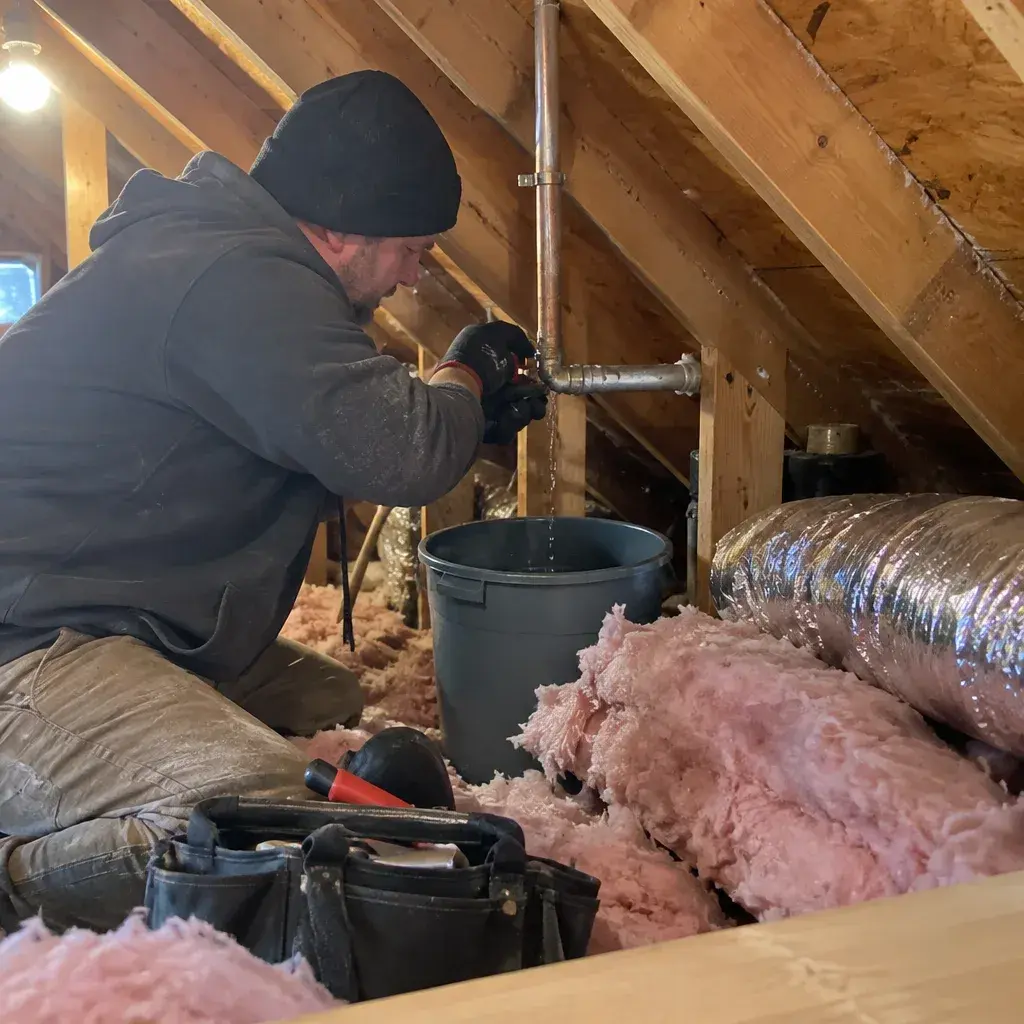
Low water pressure can continue after a burst pipe repair if ice, debris, or a partly closed valve is still restricting flow. Cold weather may also cause another section of pipe to freeze, especially in unheated spaces. If pressure stays low, changes suddenly, or drops again, check that faucets and valves are open and contact the pros we connect you with to inspect the plumbing. A renewed pressure change or fresh moisture may point to another leak that needs attention.
Pay attention to how the flow changes across your home. If several fixtures weaken at once, the restriction may be upstream of those taps; if one area is affected, the cause may be closer to that branch or fixture. A cold snap followed by a change in flow can point to another vulnerable stretch of pipe, but the pattern alone cannot confirm it. These observations help explain what you feel and when it started, so a plumber can narrow the inspection.
Valves and Debris That Limit Flow
A shutoff that was not returned fully to its open position can limit water reaching the line after service. If the valve is visible and safe to reach, look at its position without forcing it or entering a wet or unsafe area. A partly turned handle may explain a broad drop in flow, while the repaired pipe itself remains sound. If the valve position is unclear, ask the provider who completed the work to check it and confirm that water can pass freely.
If several taps feel weak at once, the cause may be beyond the repaired line. A supply interruption or pressure problem affecting the incoming service can reduce flow throughout the building, while one sluggish tap points more toward a fixture-level issue. Cold-weather demand or a problem on the supply side may be outside the plumber’s repair. If neighbors also report weak water, contact your water provider; if only your home is affected, the repair provider can help trace the cause.
Signs of a Separate Leak or Supply Issue
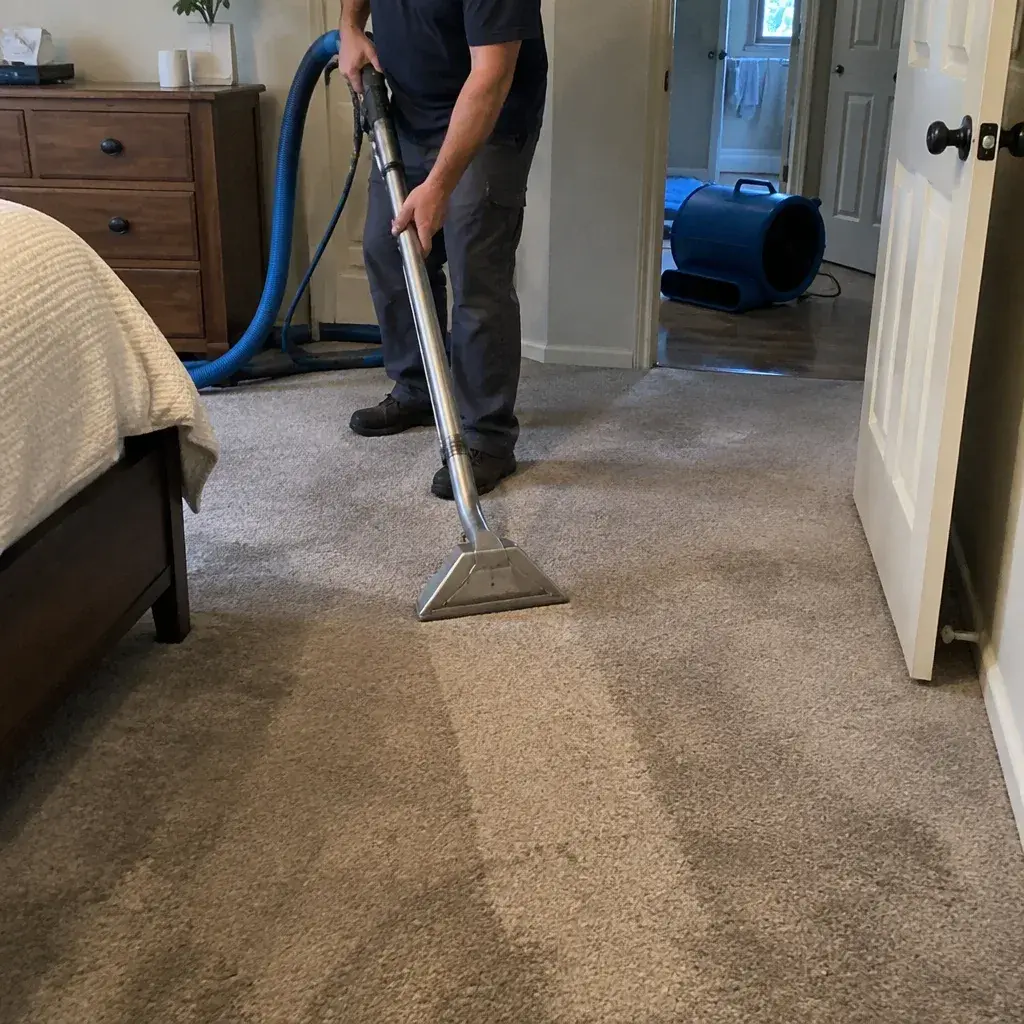
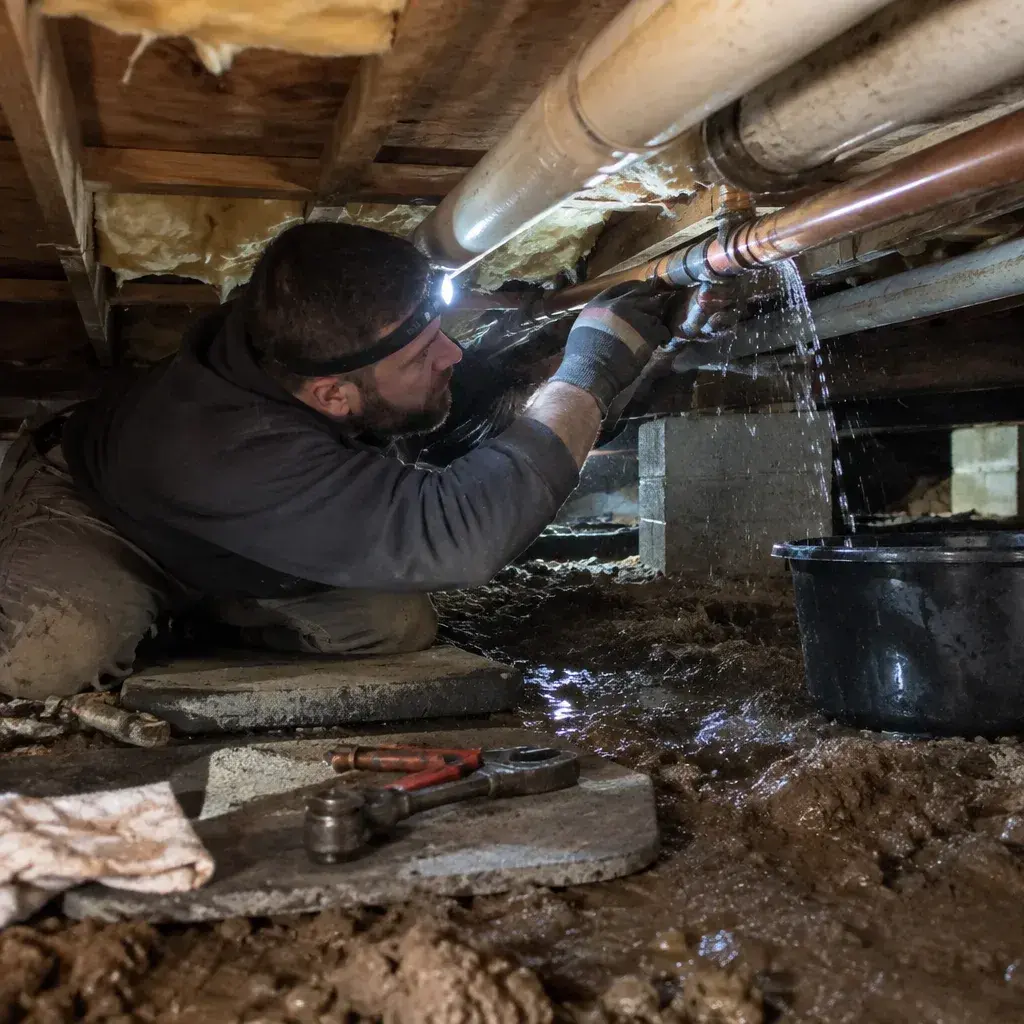
Look and listen for signs that water is escaping again: a fresh damp area, a stain that keeps spreading, or a steady hiss near the repaired pipe. Cold conditions can make a hidden leak harder to notice if the line runs through an enclosed space, so check nearby ceilings, walls, and floors without entering an unsafe wet area. Low flow paired with new moisture needs prompt attention. The plumbing repair covers the supply line; drying and finish repairs may involve another provider.
When several rooms lose flow together and the repaired area looks dry, the cause may lie elsewhere in the plumbing or in the incoming supply. A single weak tap gives a different clue from a change throughout the property, but neither identifies the source by itself. Tell the provider whether neighbors or nearby businesses have mentioned a supply interruption, if you know. The pros we connect you with can help determine whether the next check belongs at the repaired line or farther upstream.
When to Request a Follow-Up Check
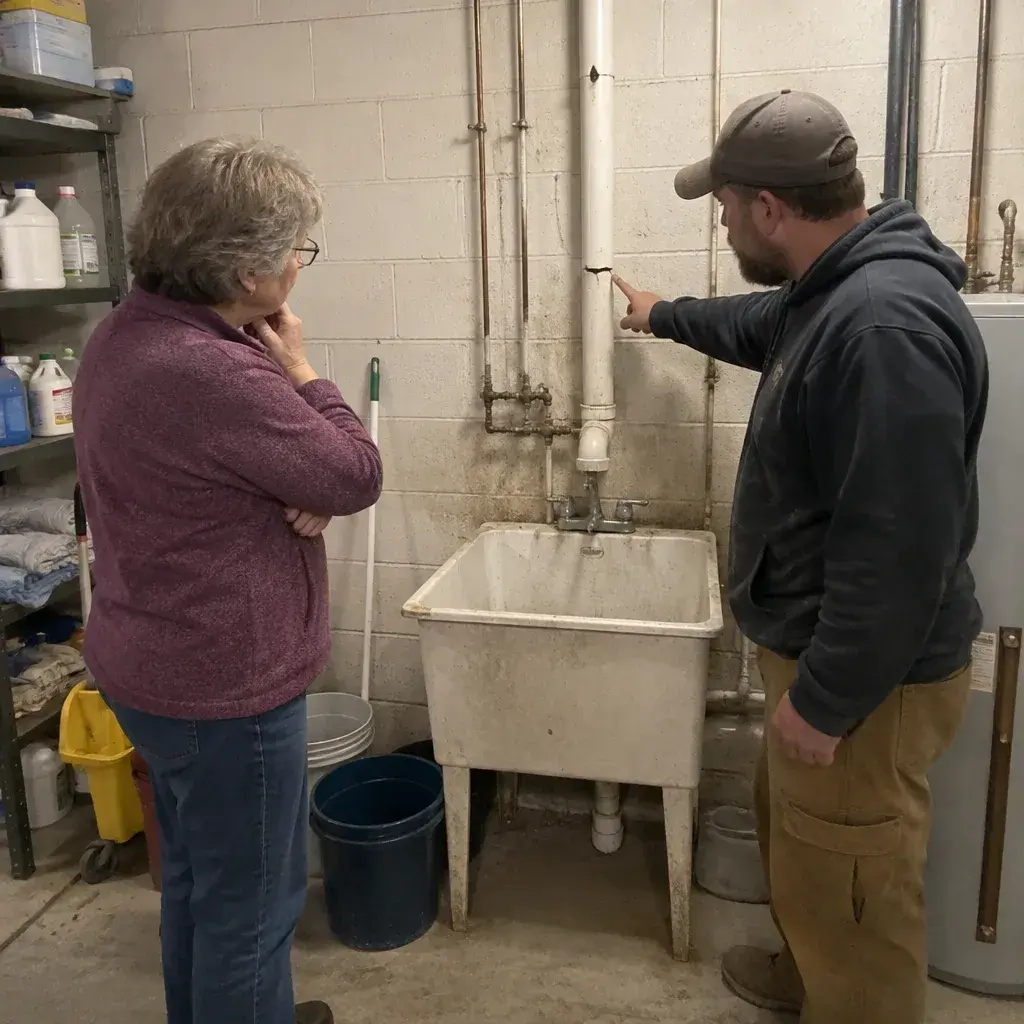
Note whether the weak stream affects hot and cold taps, one fixture, or several rooms, then share that pattern with the provider who handled the repair. If an accessible shutoff can be reached safely, verify it is in its normal operating position; leave it alone if the area is wet or unsafe. Pressure that stays low needs a follow-up assessment, since another leak or a supply problem may be involved. Contact the provider promptly if you see a new leak.
When you arrange a follow-up, ask what the visit will include and whether the provider can assess both the repaired line and the incoming supply. This national page offers general guidance; locations with their own pages have local information, while readers in other covered areas reach the pros we connect you with through the same referral. Share when the weak flow began and any new moisture or sounds you noticed, so the provider can plan a useful next check.
Dealing with a burst pipe in your home?
A pipe can split behind a wall, under a sink, or near a water heater, and limiting water damage is an important first step. For burst pipe repair in a nearby town, contact the pros we connect you with and ask whether they serve your address. They can discuss their availability, possible visit timing, and any charge for coming out.