Look Closely at the Repair
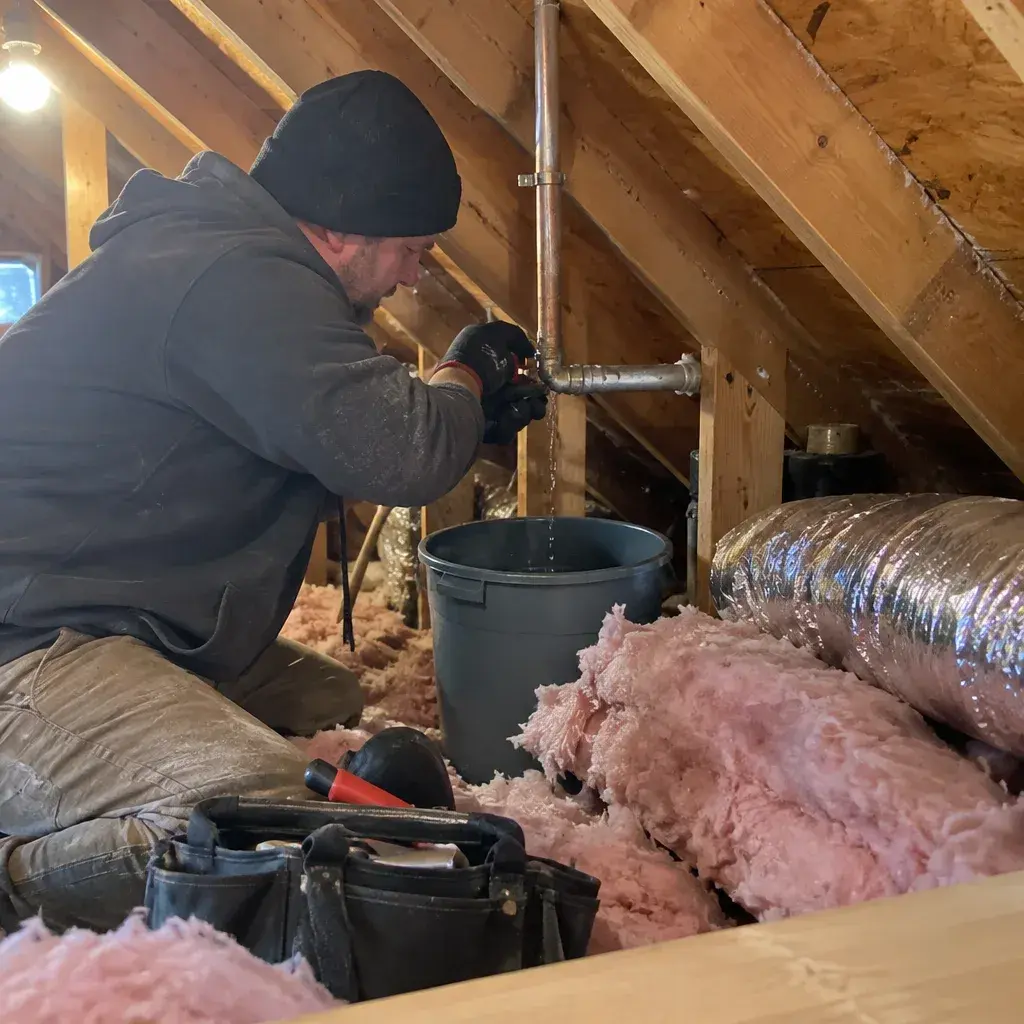
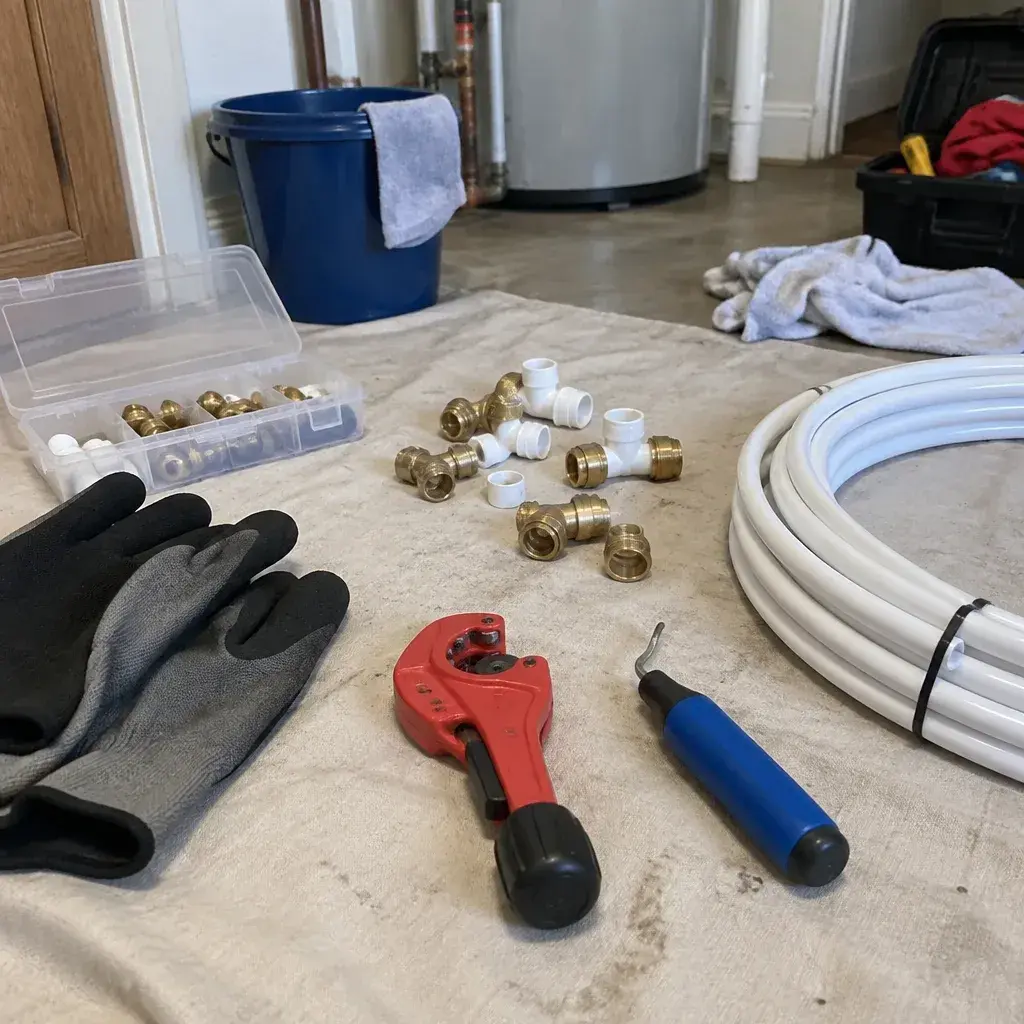
The repair check starts with a close look at the work itself. A plumber may use a light to examine the pipe and fitting, checking that the connection is aligned and the materials appear properly joined. Fresh water shining on a surface, a tiny bead, or a line of moisture can point to seepage. On copper, PEX, CPVC, or another system, the visible details differ, so the check follows the installed pipe and repair method.
A dry-looking connection gives the plumber a useful starting point, but appearance alone cannot show how it will behave once water is moving through the line. The plumber may wipe or dry the area first, then watch for new moisture as the check proceeds. A mark that stays unchanged can be old residue; a glint that returns or a droplet that gathers at the joint suggests water is escaping. Ask what the plumber saw before testing began.
Observe the Line as Water Returns
A leak check starts with what the plumber can see at the repaired section. Beads of water, a wet edge, or a fresh sheen around a fitting can signal that the connection is still leaking. The plumber can pressure test repaired pipe before the area is closed, then inspect the exposed boundary for signs of escaping water. A dry surface is useful evidence, though it only describes what was visible during the check. The result depends on access to the repair and the condition of the pipe around it.
To test a pipe repair for leaks, a plumber can check the repaired pipe under operating water pressure and look for escaping water at the work. This pressure test helps reveal a connection that seemed dry before the line was carrying water. What the check can establish depends on the repair and the accessible parts of the plumbing. You can ask whether the repair was tested under pressure and what the result showed.
Check Nearby Joints and Fixtures
The plumber may also inspect accessible joints on either side of the repaired area. Moisture at a nearby coupling can be a separate leak, even when the new work itself appears sound; water can travel along a pipe and collect away from its source. A dry tissue or a careful look around each connection may help distinguish the locations. Ask whether adjacent joints were included in the plumbing repair check, especially if the wet area extends beyond the work.
A repaired section can look dry while a separate joint nearby still seeps. The plumber can review neighboring connections along the same accessible pipe run, because water from one fitting may travel along a pipe before it becomes visible. A bead forming at an adjacent joint points to a different source than moisture at the repaired section. This distinction helps identify whether the repair itself needs attention or whether another connection is involved. You can ask which nearby joints were checked and what the plumber saw at each one.
Know What to Watch and Ask
The cost of checking a burst pipe repair can change with access to the line and how many nearby connections need review. With the repaired section exposed, the plumber looks for a bead of water or dampness at the joint, then restores flow in a controlled way. A pressure test places the repaired pipe under pressure so a small seep can become visible before the area is closed. A dry joint during the test is useful evidence, though nearby connections still need attention.
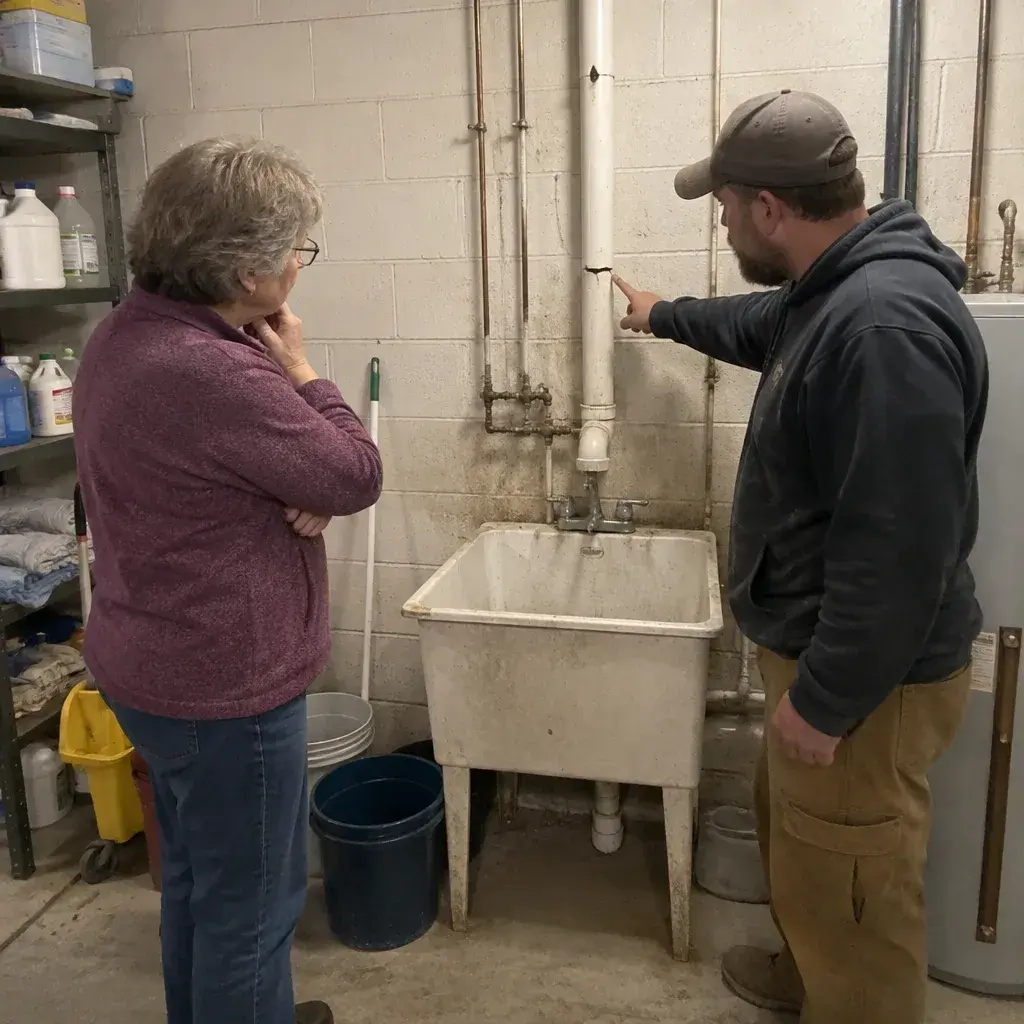
After a burst pipe repair, ask the pro to explain what was tested and whether any areas still need attention. The pros we connect you with can check the repaired section for leaks and help confirm that water is flowing as expected. Watch for damp spots, dripping, or changes in water pressure after service, and share any concerns promptly. If the pipe burst near electrical equipment or caused water damage, ask what follow-up steps may be appropriate.
Dealing with a burst pipe in your home?
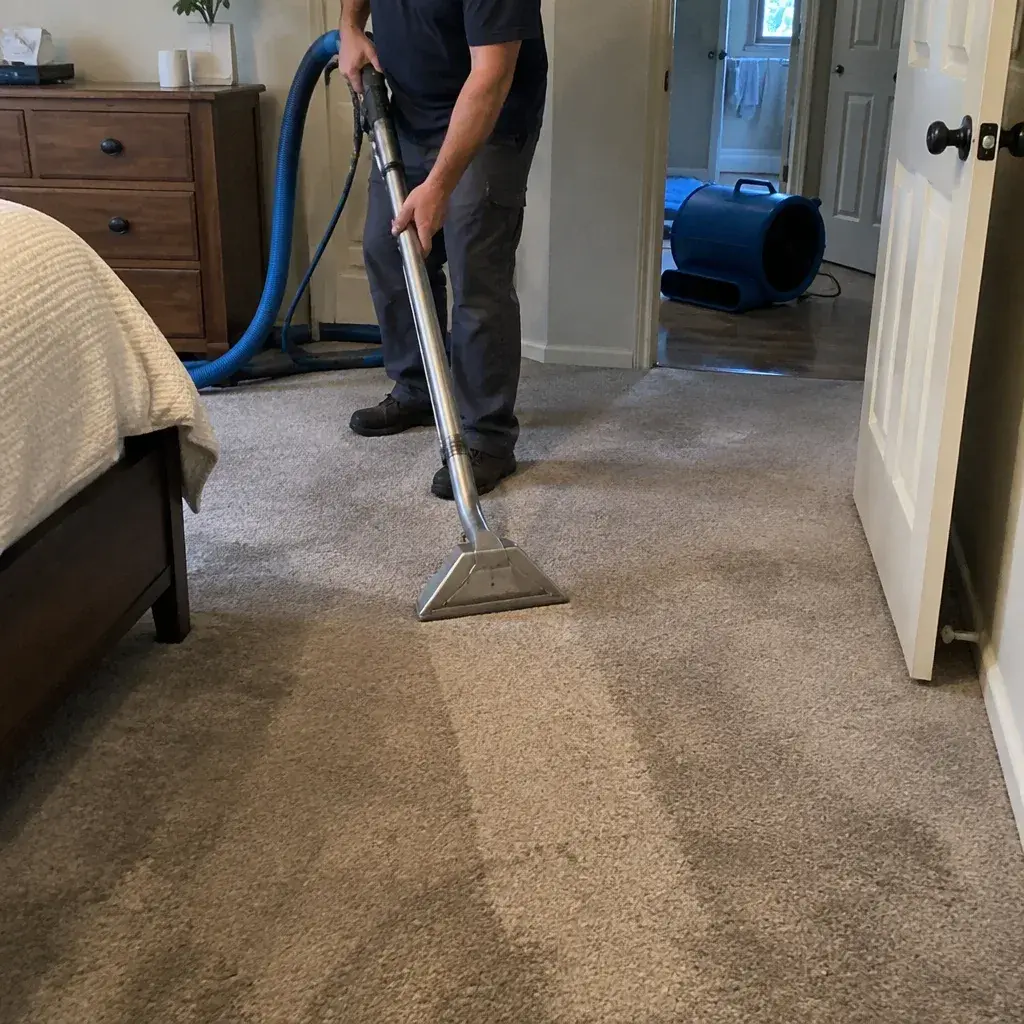
A pipe can split behind a wall, under a sink, or near a water heater, and limiting water damage is an important first step. For burst pipe repair in a nearby town, contact the pros we connect you with and ask whether they serve your address. They can discuss their availability, possible visit timing, and any charge for coming out.